


Related news
Self-Tapping vs Self-Drilling Screws Which One Is Easier to Install
Self-Tapping Screws and self-drilling screws both shorten fastening work, but they solve different problems. A self-drilling screw has a drill-shaped point that opens a hole before the threads engage. A self-tapping screw forms mating threads as it enters, yet some materials still need a pilot hole. The easier option depends on the substrate, joint thickness, access, finish, and driver control.
Qinjia manufactures screw and nail products for drywall systems, furniture production, carpentry, and construction. For buyers, installation speed is only one part of the decision. Point geometry, thread form, head style, recess fit, finish, and length must work together on the actual material. Qinjia also uses tapping-speed and torque-testing equipment to check installation resistance and grip.
What Is the Real Difference Between Self-Tapping and Self-Drilling Screws?
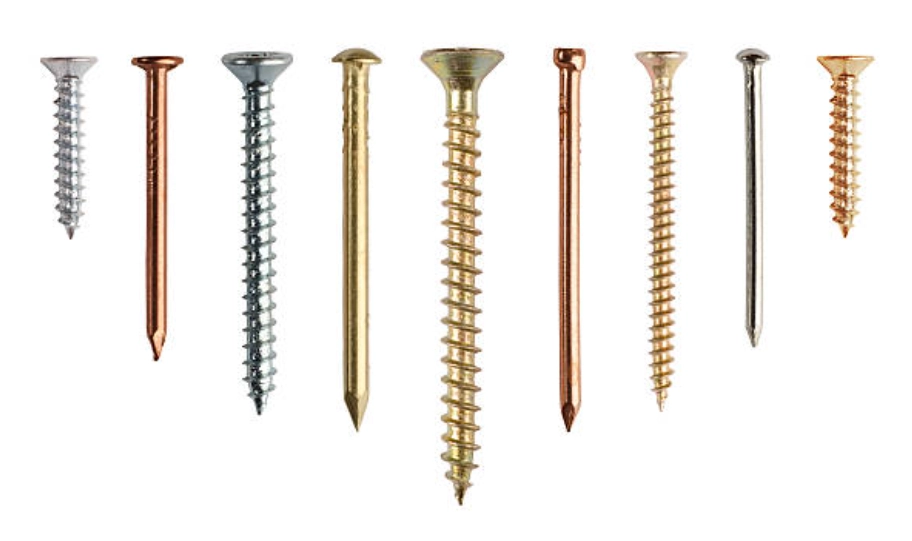
The difference starts at the screw point. Once that is clear, buyers can judge whether one-step drilling adds value or whether a prepared hole gives better control.
Self-Tapping Screws Form Their Own Mating Threads
A tapping screw cuts or forms an internal thread in the substrate. “Self-tapping” does not mean it can drill through every hard material. Thick steel, dense board, brittle plastic, and positions near an edge may need a pilot hole for self-tapping screws. The hole reduces starting resistance while leaving enough material for the thread to engage.
Self-Drilling Screws Combine Drilling and Fastening
A self-drilling screw creates an opening with its drill-like tip and then pulls the threads into the material. This can remove a separate drilling step in suitable sheet metal. The drilling point must clear the full material stack before the threads pull the layers together. Otherwise, the screw may stall, heat up, or damage the hole.
Material and Access Determine Installation Ease
A practical self-tapping vs self-drilling screws comparison should include substrate hardness, total thickness, working angle, tool access, and required finish. Thin metal with clear access often favors a drilling point. Drywall, furniture panels, and prepared components may benefit more from a tapping screw selected for the material.
Which Screw Is Easier to Install in Drywall, Wood, and Light Steel?
Each substrate has a different failure mode. Gypsum board can be crushed around the head, chipboard can split near an edge, and light steel can strip after the thread has formed.
Drywall Screws for Gypsum Board and Framing
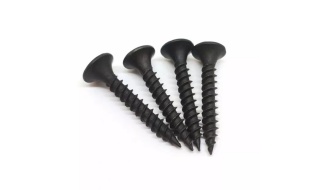
Qinjia’s Drywall screw range uses 1022A material and covers #6, #7, #8, and #10 sizes, equivalent to M3.5, M3.9, M4.2, and M4.8. Options include coarse, fine, and Hi-Low threads, sharp points, several recesses, and multiple head forms.
Coarse thread suits gypsum board fixed to wood studs. Fine thread is the more suitable starting point for light steel framing. A bugle head spreads seating pressure, but it should stop without tearing the board paper.
Chipboard Screws for Panel Furniture and Carpentry
Qinjia’s Chipboard screw range is intended for panel furniture and carpentry. It covers M2.5 to M6.0 and 10 to 300 mm lengths, with a 40-degree thread angle and sharp or Type 17 cutting points.
These self-tapping screws for wood should be matched to panel density, edge distance, joint thickness, and head position. A Type 17 point helps start the cut, but a pilot hole remains sensible near exposed edges, in dense board, or with larger diameters.
Self-Drilling Screws for Suitable Thin-Metal Work
Self-drilling screws are often easier for repetitive metal-to-metal work when the point can drill through the complete material stack before thread engagement. They reduce tool changes and handling.
Where metal thickness varies, the advantage can disappear. For self-tapping screws for metal, a prepared hole may give steadier placement and lower resistance when hole position, hardness, or thickness needs closer control.
How Should Self-Tapping Screws Be Installed Correctly?
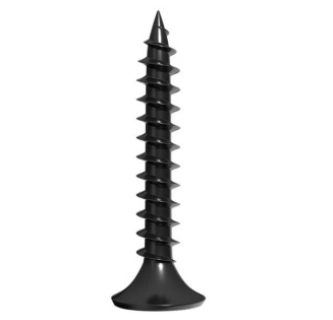
Professional installation depends on several small controls. Even the correct screw can fail if the bit is worn, the tool is angled, or driving continues after the head has seated.
Correct Screw Selection for the Base Material
Start with the substrate and joint. Use a material-appropriate thread, enough length for engagement, and a head that seats without damaging the surface. Match the recess exactly. Phillips, Torx, and Square drives need corresponding bits, and the bit must sit fully in the recess before torque is applied.
Surface Preparation and Pilot Hole Decisions
Remove dust, chips, oil, and loose coating from the fastening point. Mark the location and check the edge distance. A pilot hole should remove enough material to control driving resistance while preserving thread engagement.
No single pilot size suits every screw and substrate. Test the proposed screw, hole, and driver combination on production material, especially after changing board density, screw diameter, coating, or assembly thickness.
Straight Driving With Controlled Speed and Torque
Place the point on the mark, align the driver with the screw axis, and start slowly. Once the thread establishes a stable path, increase speed without forcing the screw sideways. Stop at the specified head position.
For drywall, overdriving tears the paper and weakens the seating area. In board or light steel, excess torque can strip the newly formed thread. Qinjia’s service and quality-control process includes tapping-speed and handheld torque testing, which helps assess installation behavior across production batches.
Why Do Self-Tapping Screws Strip, Break, or Lose Grip?
Job-site failure usually comes from several factors acting together. Recess accuracy, screw hardness, point geometry, material condition, bit wear, alignment, and torque all affect the same drive cycle.
Bit and Recess Mismatch
A worn or incorrect bit rides upward as torque rises. This rounds the recess, damages the finish, and makes removal difficult. A practical method for how to prevent stripped screw heads is to confirm full bit engagement, replace worn bits, and keep the driver aligned. Recess fit should be checked during sample approval, not only after delivery.
Excessive Torque, Misalignment, and Overdriving
Excess torque can strip threads in light steel, chipboard, or plastic. Misalignment adds bending stress near the head, while overdriving crushes the seating surface. Set the clutch on the real assembly rather than softer scrap. A fully seated head does not become more secure through extra rotation.
Incorrect Thread, Point, or Finish
Coarse and fine threads address different materials and should not be treated as interchangeable. Point design affects starting and cutting, while head shape controls surface pressure. Qinjia lists phosphate, zinc-plated, and additional coating options. Buyers should state whether screws will be stored in humid conditions, installed indoors, or exposed during construction.
What Should Buyers Confirm Before Ordering Self-Tapping Screws?
Installation trials belong in the purchasing process. A sample driven with the intended tool into the real substrate gives more useful evidence than checking diameter and length alone.
Application-Based Specification Matching
Provide the supplier with substrate type, material thickness, joint stack, edge distance, required head position, driver type, and service environment. Confirm point, thread, recess, head, diameter, length, and finish as one specification. For drywall, state whether the frame is wood or light steel. For furniture panels, include board density and visible-surface requirements.
Batch Quality and Packaging Requirements
Bulk buyers should review dimensional consistency, point formation, thread profile, recess fit, hardness control, finish condition, and carton identification. Qinjia’s process includes raw-material and finished-product inspection, hardness testing, metallographic inspection, salt-spray testing, tapping-speed testing, and torque testing.
Clear size labels, separated specifications, barcodes, and customer-specific box formats also reduce mixing in warehouses and at job sites.
Qinjia Service and Contact Support
Self-drilling screws can be faster in suitable thin-metal work, while Self-Tapping Screws provide more material-specific choices for drywall, wood-based panels, and prepared joints. Qinjia can support specification matching, samples, packaging requirements, and installation-related checks. The final selection should be based on the substrate and tool setup, not the product name alone.
Project Support
Projects involving mixed framing materials, edge splitting, damaged recesses, or uncertain thread selection need clear purchasing information. Prepare the substrate, joint thickness, driver type, finish requirement, and packaging plan before supplier review. You can contact Qinjia to discuss those details and request the documents needed for sample approval and order communication.
FAQ
Q: Do Self-Tapping Screws always need a pilot hole?
A: No. The need depends on point design, material hardness, thickness, edge distance, and cracking risk. Dense panels, thicker metal, brittle materials, and positions near an edge often benefit from a prepared hole.
Q: Can self-tapping and self-drilling screws be used interchangeably?
A: Not reliably. A self-drilling screw is selected to drill and fasten in one operation. A tapping screw forms threads and may need a pilot hole. The substrate and joint should decide the choice.
Q: Why does a tapping screw spin without tightening?
A: The internal thread may be stripped because the hole is too large, the substrate is too thin, or the screw was overdriven. Check the diameter, thread form, pilot hole, and clutch setting before replacement.

 Consult
 Whatsapp
 Leave Message
 top
top