


Related news
How to Choose Concrete Nails for DIY Projects: Sizes, Types, Finishes & Installation Guide
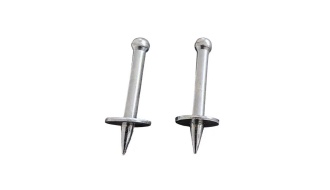
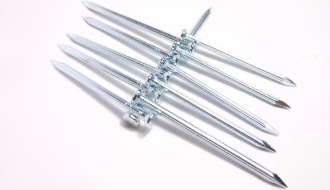
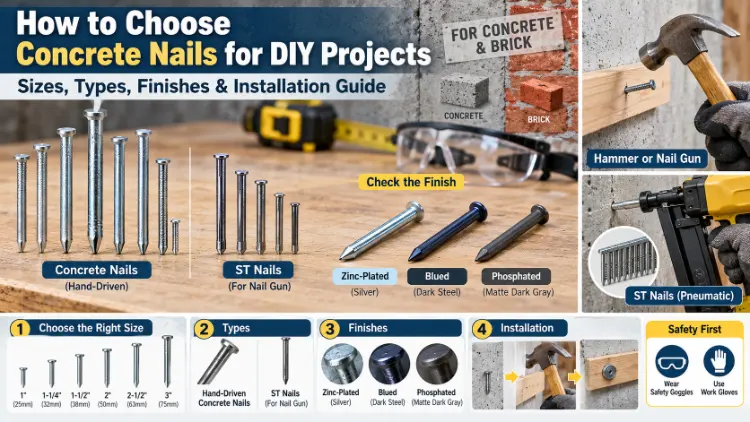
Concrete nails are made of heat-treated, high-carbon steel and are ideal for attaching to concrete walls, brick walls and wood attached to concrete. Choose the correct concrete nail by surface to fasten into, material to attach, nail size and tool to use. When purchasing nails for a nail-gun project, determine if ST nails are required and what type of pneumatic nail gun is needed to use the nails.
How do you choose concrete nails for a home project?
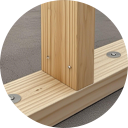
Before buying, first establish what you are attaching to and what you are attaching, and check the exact fastening specification you require for your project. Concrete nails can be used to attach items to concrete or brick walls, such as fixing wooden battens and strips to concrete walls. These are shown as examples of use on our Qinjia concrete nails page.
Next, compare the nail dimensions and the way of installation. The concrete nail offered by Qinjia is available in documented lengths of 1–8” and diameters of 2.0–5.5 mm. This is a range of products, so get a recommendation for a specific size for your specific wall and attached material. As opposed to ST nails which are installed using a pneumatic nail gun, most types of concrete nails are fixed with a hammer.
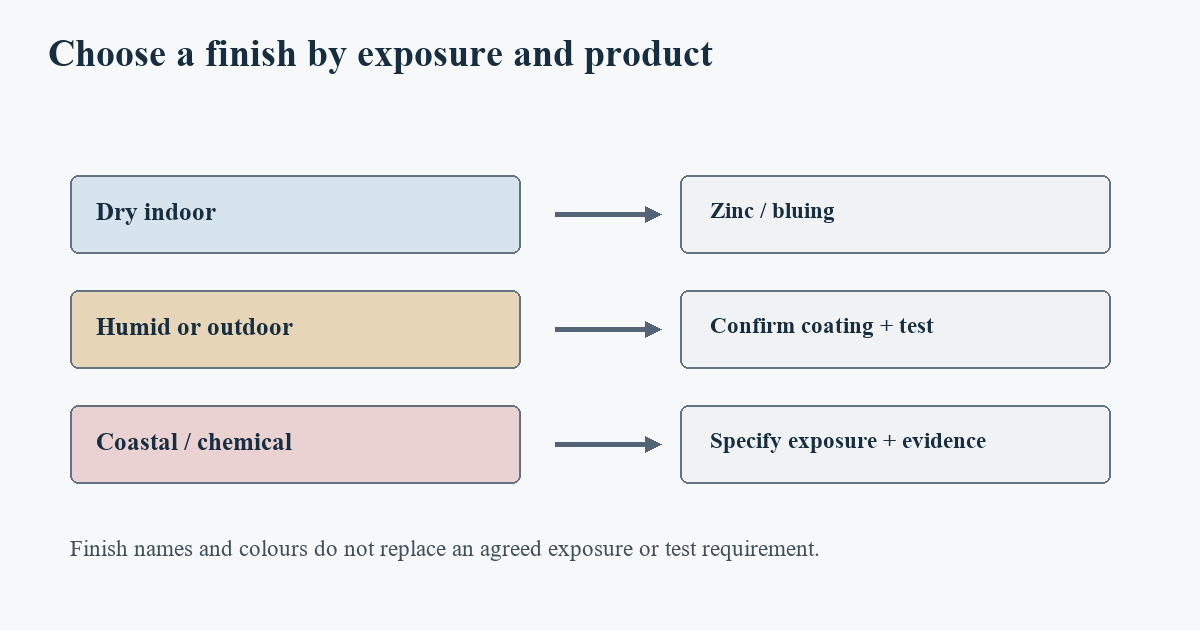
Select a suitable surface finish for your installation environment. The surface finishes offered by Qinjia for concrete nails are zinc plating, bluing and phosphating. We document here which finish is intended for which use and recommend you to verify this information before purchasing based on looks alone. In addition to your tools you should also provide eye protection when using fasteners. Before using a product, please read the documents for that product carefully. For very heavy loads or safety critical fixing we recommend that such be specified by a qualified installer.
Match the nail to the wall and the job
Write down what you’re attaching and what you’re fastening into. Describe the job as “a wooden strip onto a concrete wall,” and include the strip’s thickness and a photograph of the proposed fixing location when you ask for advice.
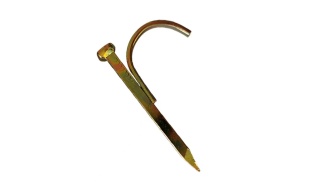
Concrete nails are used to fix into concrete and brick walls, and for wood-to-concrete connections. The smooth concrete nail product page on Qinjia shows examples of use with wooden battens and strips attached to concrete walls.
Before buying consider whether the nail chosen is suitable for use on the exact substrate in question. If you are unsure as to the makeup of your walls then check before purchasing. For items such as overhead fittings, heavy shelves and other items of significance with safety implications then seek recommendation from a qualified installer for your specific project.
Compare concrete nail sizes and finishes
The product family for concrete nails and ST nails is first described and then the key dimensions are compared. These are the specifications as described by Qinjia for its concrete nails and ST nails.
|
Detail |
Concrete nails |
ST nails |
|
Material |
Heat-treated high-carbon steel |
Heat-treated 45# steel |
|
Documented length |
1–8 inches |
15–64 mm |
|
Documented diameter |
2.0–5.5 mm |
2.15 mm |
|
Installation method |
Mostly hammered in |
Pneumatic nail gun |
These are the specifications for our products as detailed in our catalogue. What may seem to be a straightforward size chart for DIY projects can in fact be specific for each length and diameter of nail. Verify the details for your intended use, required tools, etc. before placing your order. The longest nail in the range is not necessarily the one to select if you are unsure of the size required.
Ask about the finish for your location
The various concrete nail finishes offered by Qinjia are zinc plating, bluing and phosphating. Would this fixing be used indoors, outside permanently or subject to moisture on a constant basis. Check with the supplier before ordering as to which of these finishes would be most suitable.
Hand-driven concrete nails or ST nails?
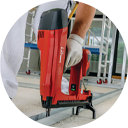
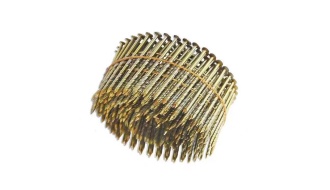
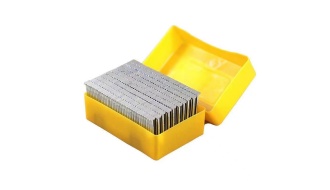
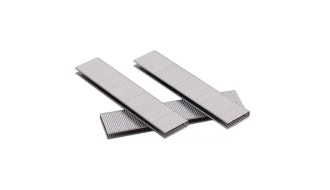
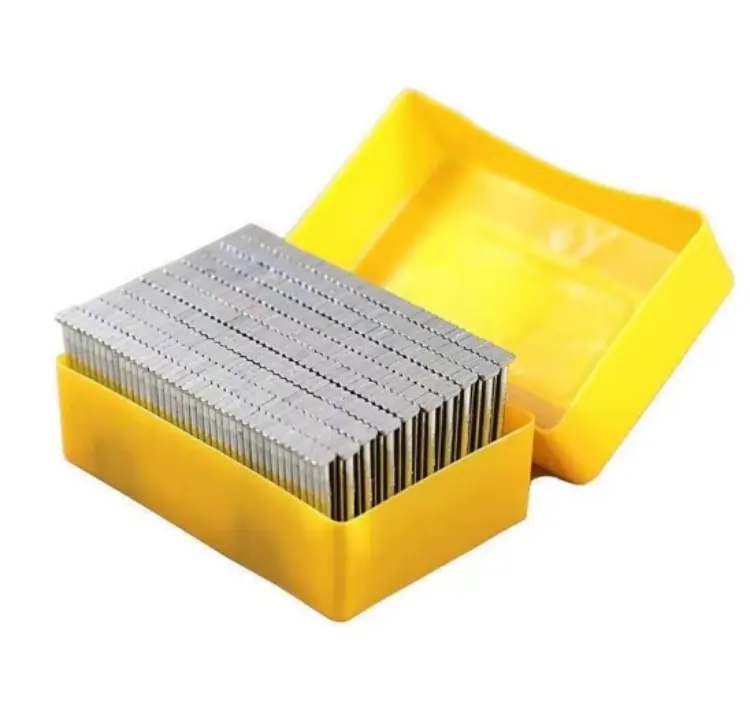
Check how you plan to install the fastener before choosing a pack. Concrete nails are mostly hammered in. ST nails are intended for pneumatic nail guns, with documented applications including fixing wood studs to concrete walls and light steel studs to concrete or brick walls.
Start by comparing the ST nails you are interested in with the hand-driven option that you are considering. First refer to the tool manufacturer’s instructions for the type of nail and the dimensions that are recommended. The length of the nail may look similar but that does not necessarily mean it will be suitable for your tool.
Please confirm with supplier for the fasteners required and installation method for your job. Structural fastening should be left to a professional.
What to check before installation
Set the tools out and inspect them before starting. The Canadian Centre for Occupational Health and Safety’s hammer safety guidance advises wearing safety glasses or goggles and checking that the hammer head is firmly attached to its handle.
The guidance sets out general hand-tool guidance, including the need to inspect tools for defects, repair or replace defective tools as required and avoid use at excessive force or pressure.
Short checklist to prepare for work with nails and tools. Use in conjunction with the manufacturer’s instructions for the relevant nails and tools.
- Confirm the wall material and the selected nail’s intended application.
- Verify the position of the fastening and also any concealed services before nailing.
- Check the size of the nails and whether ST nails are compatible with the pneumatic tool in use.
- Check the tool and put on the appropriate safety eye wear.
- Withdraw nail immediately and seek advice if it fails to drive as directed or starts to split the surface.
Hitting harder at the same spot is unlikely to make a fixing go in. Ask the installer to inspect the fixing if in doubt as to the material, fixing location or additional support required.
Concrete nails FAQ
How does a concrete nail work?
Qinjia’s concrete nails are made from high-carbon steel and have been subjected to heat treatment to increase hardness and strength. Before using nails for concrete or brick walls in your home improvement project, check whether the chosen nail is suitable for the type of wall to be fastened and for the material to be attached. Read the instructions for use of the chosen nail carefully.
What tool is used to hammer nails into concrete?
Most concrete nails are driven by hammer. Use the hammer recommended by the nail manufacturer, inspect it before use for damage, and use eye protection. ST nails need to be checked for a suitable pneumatic nail gun and then used according to the manufacturer’s instructions for the respective fastener.
What size concrete nails do I need?
Ask for the size suitable for the substrate type and the material to be fixed. The concrete nails that we have documented are of 1–8 inches long and 2.0–5.5 mm in diameter. Please compare the size with the specifications available and confirm the exact products for your needs instead of relying on the range size only.

 Consult
 Whatsapp
 Leave Message
 top