


Related news
Are Self-Tapping Screws Always Better Than Normal Machine Screws?
I get asked this quite often when a customer sends a drawing or a site photo: should we use self-tapping screws, or just stay with normal machine screws? The real answer depends on the base material, thickness, load, and how much time the installer wants to spend on drilling and tapping.
On a job site, self-tapping screws feel faster. No argument there. But faster does not always mean better. I have seen buyers save time on the first step and then lose money later because the screw was wrong for the material. So I would not say self-tapping screws are always better than normal machine screws. I would say they are better in the right place.
Why Are Stainless Steel Self-Tapping Screws Often Preferred for Outdoor Jobs?
Wet air, rain, and outdoor timber are not friendly to cheap screws
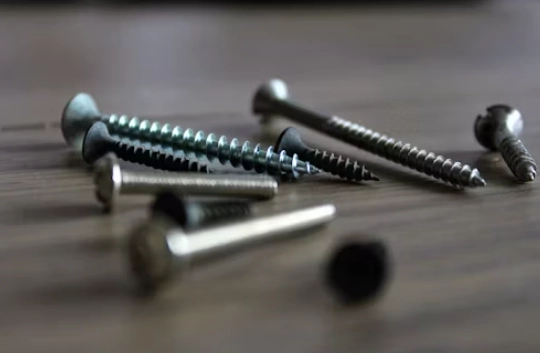
For decks, siding, fence parts, roofing accessories, and other outside work, rust is the first thing I check. Carbon steel may look fine when it leaves the carton. After one rainy season, it can stain the surface, weaken the fixing point, and make the customer unhappy. Stainless steel self-tapping screws are picked more often for outdoor jobs because they handle moisture better and keep the fixing cleaner for a longer time.
Less pre-drilling helps when the material is not too hard
In softwood, pressure-treated lumber, and many light sheet materials, the self-tapping point saves a lot of hand work. The installer does not need to drill, change bits, and then drive the screw. When there are only ten screws, that difference is small. When there are thousands on a roof, a deck, or a site fence, the time saving is real.
Grip is usually stronger in wood and composite boards
The thread bites into the material as it goes in. With the right thread type, the screw holds well in wood fibers and some composite surfaces. This is why self-tapping screws are commonly used where timber can shrink, swell, or move a little with the weather.
|
Material |
Pre-drilling needed? |
Rust resistance |
Best fastener type |
|
Softwood |
Usually no |
Moderate |
Stainless steel self-tapping |
|
Pressure-treated lumber |
Usually no |
High |
Coated self-tapping |
|
Aluminum siding |
Usually no |
High |
Stainless steel |
How Do Heavy Duty Self-Tapping Screws for Steel Handle Industrial Loads?
Steel work needs a stronger screw, not just a sharper screw
When the material is steel, I always ask about thickness first. Thin sheet and thick steel plate are two very different jobs. Heavy duty self-tapping screws for steel are made for higher torque and harder contact. If the screw body is too soft, the head can snap before the screw is seated. If the thread is not right, it can spin and damage the hole.
The point design decides how clean the fixing will be
A good point works almost like a small drill. It opens the path, moves chips away, and helps the screw sit flat. A poor point pushes the sheet up or burns out the tip. The installer may blame the tool, but quite often the screw point was just not matched to the steel.
Thread stripping is where cheap screws show their weakness
Anyone who has driven screws into steel knows that empty spinning feeling. Once the thread strips, you cannot trust that fixing anymore. Heavy duty self-tapping screws for steel are meant to keep the thread shape under pressure, especially when impact drivers are used on site.
What Makes Pan Head Self-Tapping Screws Ideal for Clean Assembly?
The head gives a wider hold
Pan head self-tapping screws are popular in assembly work because the head spreads pressure better than a small countersunk head. In many cases it acts a bit like a built-in washer. It pulls the material down and helps stop small vibration from working the fixing loose.
They look neater on light frames and panels
Not every project wants a large bolt head showing. Pan head self-tapping screws sit tidy on the surface and are easy to inspect. That is useful for cabinets, thin metal covers, light brackets, electrical boxes, and interior fittings where both hold and appearance matter.
They can reduce cracking on thin board edges
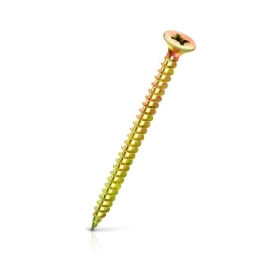
For Chipboard screw work, the edge of the board is often the weak point. Too much pressure in one small spot can split the board. A wider head helps spread the load. It will not fix a wrong pilot size or the wrong screw length, but it gives the material a better chance to stay clean.
Why Is the Comparison of Self-Tapping vs Machine Screws Critical for Sourcing?
Unit price is not the whole cost
Normal machine screws can be cheaper per piece. But they normally need a prepared threaded hole, nut, insert, or tapping process. If the project already has those parts, fine. If not, the labor cost can become much higher than the screw cost.
When we compare self-tapping vs machine screws for a customer, we do not only look at the carton price. We look at drilling time, tools, worker skill, rework rate, and how easy the fixing is to repeat on site.
Machine screws still have their place
For machinery parts, removable covers, accurate assemblies, and places where the thread needs to be reused many times, normal machine screws are still a better choice. They give cleaner thread alignment and better repeat fitting when the hole is prepared correctly.
Self-tapping screws are better when speed and direct fixing are more important. Machine screws are better when the assembly needs a more controlled threaded connection.
Bulk buying needs fewer guesses
Hebei Qinjia Metal Products Co., LTD. is based in Hebei and supplies construction and woodworking fasteners for export markets. For distributors in North America, Australia, and the Middle East, the main issue is not only finding screws. It is finding the right screw for the job, with stable quality from batch to batch.
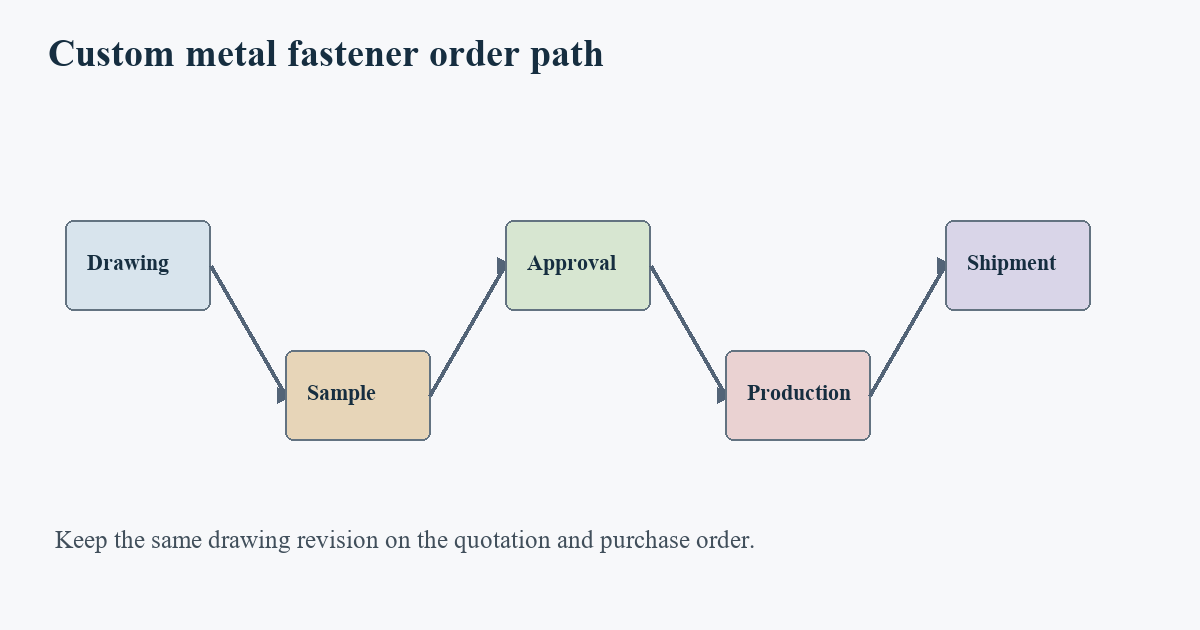
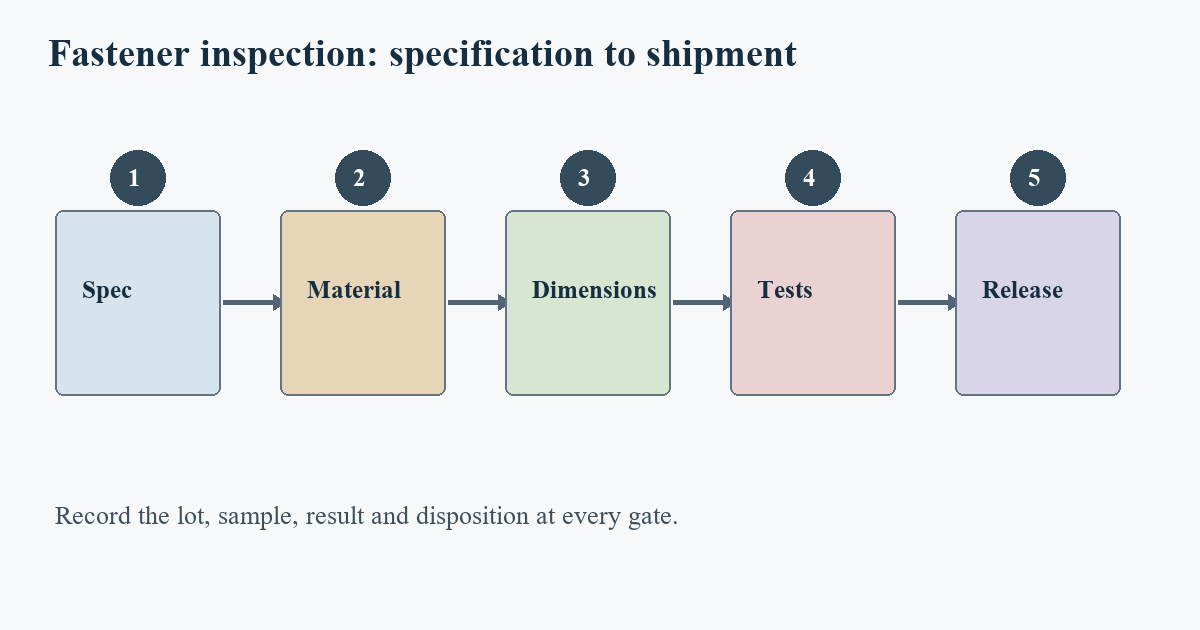
The factory checks thread speed, torsion, dimensions, finish, and packing details before shipment. For custom lengths, surface finishes, or OEM packing, the technical side has to be settled before production.
Where Can Metal Self-Tapping Screws for Contractors Be Sourced Reliably?
Qinjia High-Quality Chipboard Screws for Woodwork
For cabinet work, furniture parts, and general wood assembly, Qinjia High-Quality Chipboard Screws are made for straight driving and firm grip. A good Chipboard screw should not wobble, split the board edge easily, or leave the installer fighting with the bit all day.
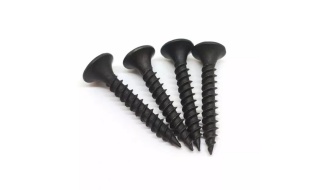
Qinjia Specialized Drywall Screws for Partition Systems
For partition walls and ceiling systems, Qinjia Specialized Drywall Screws are a better match than general screws. A Drywall screw needs the right head shape and thread. It should sit flush without tearing the gypsum paper. If the head cuts through the paper, the fixing point is already weakened.
Professional Service and OEM Customization
For metal self-tapping screws for contractors, stock sizes do not solve every job. Some buyers need a different point, a coating for outdoor use, a special carton, or a size that matches an old project drawing. Professional Service and OEM Customization help here because the factory can adjust the product instead of asking the customer to change the job.
|
Fastener type |
Installation speed |
Complexity |
Accuracy |
Cost per Unit |
|
Self-tapping |
High |
Low |
Medium |
Higher |
|
Machine screws |
Low |
High |
High |
Lower |
My Simple Way to Choose Between Them
If the base material is wood, composite board, aluminum sheet, or light steel, I usually start by checking the self-tapping option. If the part is machinery, a removable cover, or a precise metal assembly, I check whether normal machine screws make more sense.
For outdoor work, coating and stainless material come first. For steel work, torque and point design come first. For indoor finishing, the head shape and final surface matter more. It sounds simple, but these few checks prevent many wrong orders.
Contact
When the project has load demands, drawings, or a special base metal type, it is better to send us those details before placing the order. Qinjia can review the material, surface finish, packing, and production details, then suggest a screw type that fits the real job instead of just matching a photo.
FAQ
Q: Are self-tapping screws always the best choice for metal?
A: No. They are very useful for fast installation in sheet metal and some steel framing. But if the part needs accurate thread alignment, repeated removal, or a prepared threaded hole, normal machine screws are usually safer.
Q: Can I use these for drywall projects?
A: Use the correct Drywall screw. Drywall needs a head and thread made for gypsum board. A random rough-thread self-tapping screw may tear the paper or sit badly.
Q: What information should I send before asking for a quote?
A: Send the base material, thickness, screw length, surface finish, head type, packing request, and use environment. If there is a drawing or sample, send that too. It makes the quotation faster and much more accurate.

 Consult
 Whatsapp
 Leave Message
 top