


How to Order Custom Metal Fasteners from a Manufacturer
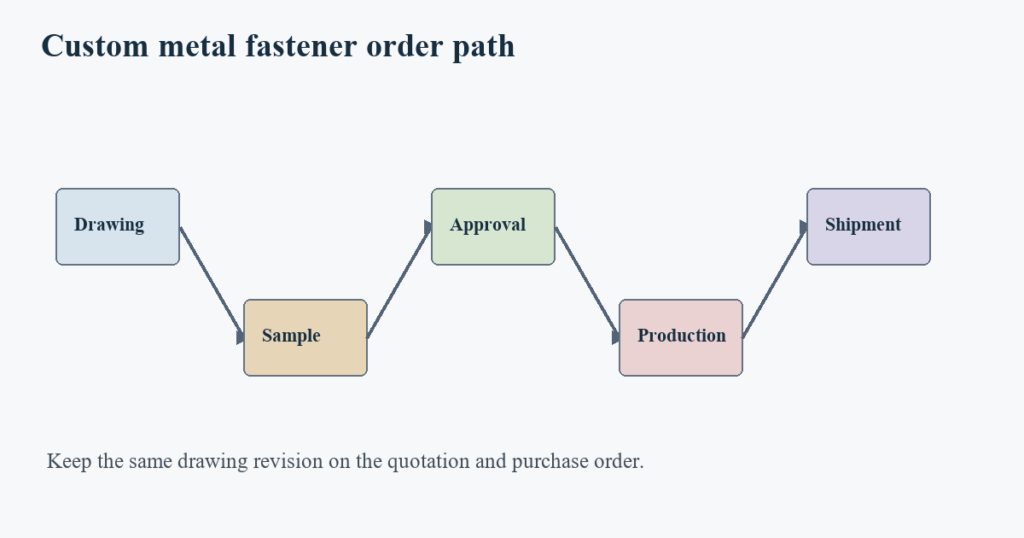
Custom metal fasteners are best ordered when the manufacturer has something to measure off of prior to quoting a price. Send them a drawing or a sample and advise them of the base material and finish that you will be requiring. Also advise them of the intended application, tooling, dimensions, tolerances, packaging and any required inspection documents. Typical process is quotation, sample approval, purchase order, production, quality check and then shipment.
By customizing a product we mean extending it to a different length, adding a new hole, labeling a carton privately or even manufacturing a completely new part. In order to give a price to or approve a custom product we need a full and short specification, not a long chain of emails trying to understand a poor photo.
1. Start With the Application, Not Only the Fastener Name
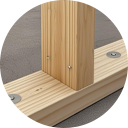
Outline what you need the fastener to do. Describe the substrate, covering or assembly, the tool with which it will be installed, the environment and reasons why a standard fastener is not satisfactory. A concrete nail designed for use in hard masonry will have a different starting point to an ST nail which is installed with a pneumatic nail gun to fix a stud to a wall.
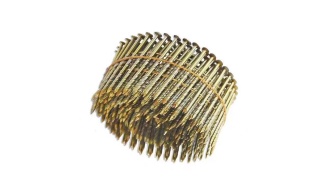
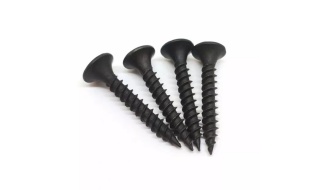
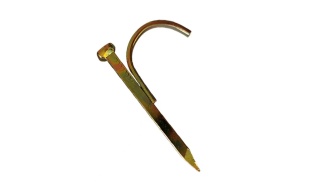
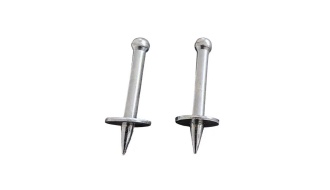
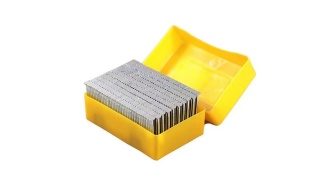
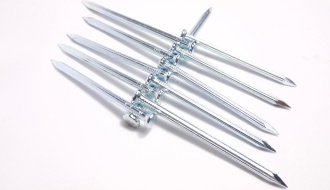
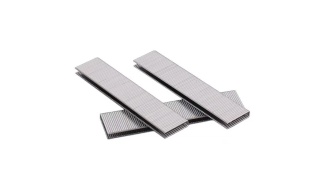
The supplied product information from Qinjia details Concrete Nails, ST Nails, Brad Nails, Staples, Gas Drive Pins, Pipe Hook Nails and Drywall Screws. All of these products have been detailed with various uses, including: concrete and brick wall use, wood or light steel stud use, upholstery use, cable fixing use and interior partition systems. This application information can be used to narrow down a product family prior to requesting a custom product.
Send a drawing or an approved sample
A clear drawing should show overall length, shank or wire diameter, head or crown, point, thread, drive recess, material and finish. Mark the critical dimensions and tolerances. If a sample is easier, send several pieces and identify which features are fixed and which may change.
Photographs can illustrate a problem but do not define a tolerance. Reference to a ruler in the photograph should be very general. It is best to have the manufacturer draw up a detail to meet your requirement and have it approved by you.
2. Define Material and Surface Finish
Identify the minimum specified material grade and the relevance of this to your product requirements. Qinjia’s website provides reference to high carbon heat treated steel for concrete nails, 45# heat treated steel for ST nails and low- to medium- carbon steel for Brad nails and staples. Note that this will form the basis of a specific product and may not necessarily be suitable for custom products.
State the finish separately from the material. Options in the supplied product information include zinc plating, bluing, phosphating and anti-rust coatings. For a coastal, wet or chemically exposed job, describe the exposure and any test or documentation requirement. A request for “black” or “rustproof” is not enough to select a finish.
If the fastener will be hidden inside a wall or upholstery, appearance may be less important than driving behaviour and corrosion control. For retail packaging, colour and consistency may become a visible acceptance point. The manufacturer needs both decisions in writing.
3. Match the Fastener to the Tool and Assembly
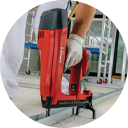
This information is required for our custom specification of tool compatibility. For powered fasteners, list the gun make and model, accepted series, desired collation angle or strip format, leg-length or shank range, and any magazine restrictions. For hand-driven nails, list the intended hammer or driver, as well as the substrate being fastened. Drywall screws require whether the framing is made of wood or light-gauge steel to determine between coarse or fine thread.
Qinjia’s concrete nail category and ST nail category show why application and tool details belong in the enquiry. A similar-looking nail can have a different point or diameter and behave differently in the same gun.
Ask for a trial quantity before a full run
Request enough samples to test flat sections, corners or different substrates in the real assembly. Check feeding, starting, seating, holding and removal risk. Keep the approved sample with the specification. If the trial changes the length, point or finish, update the drawing instead of approving the change only in a chat message.
4. Agree Tolerances, Tests and Acceptance Rules
When ordering custom work, one has to decide what to measure and how. The most important dimensions should be included in the purchase specification for the parts that apply. Additional material documents like hardness, torque, salt spray tests for corrosion resistance, visual tests for appearance and packing tests are described in Qinjia’s quality information. The control of incoming goods till shipment, random checks, final inspection, available tests for hardness, salt spray, dimensions and appearance.
Don’t request every possible test to become default. Select the relevant tests to prevent the failure you are trying to avoid. For example, a torque test may be suitable for a screw, whilst crown and leg measurements will be more appropriate for a staple. A driving test may be more appropriate for a concrete fastener and a third party report from SGS or BV as required then agree the scope and time to production.
Use the sample approval for the acceptance rule as well. Instead of only “Good quality” make this a dimension, a visual limit, a test result etc. approved as a reference sample. This protects buyer and manufacturer alike in case of parts printed according to the design.
5. Build the Commercial Order Around the Approved Item
A valid request for quotation should include part number, relevant drawing revision number, material, surface finish, full dimensions, quantity required, proposed packing and final delivery destination. Indicate if the quantity required is by individual part, by box, by carton or mixed container. We support OEM/ODM business as well as multi-product, mixed-container orders to regional distributors, so related fastener families can be developed and added to the packing and lead time once confirmed.
The standard sales process for this offer is quotation, sample or confirmation, production, quality control, shipping and after sales service. Standard payment terms are 30% T/T deposit plus 70% prior to container leaving plus pre-loading inspection report and packing list as agreed on the quotation. These shall serve as the starting point for commercial terms and shall be confirmed on the quotation.
Check packing and shipping documents early
Choose small boxes, plastic wrap, bulk cartons or even private-label packaging before we start making up the carton artwork. Can you please confirm the following for the carton marks: quantity per box, labels etc. plus how many pallets you need and if any material certificates or inspection reports travel with the shipment. Also, we have Sea, Air and Express options and these can affect the dimensions and schedule of the cartons.
6. Use the OEM and ODM Process as a Control Point
Qinjia’s OEM and ODM process is the practical place to confirm a drawing, sample, packaging and production change. Send the revision number with the request so the factory can quote the same version that the buyer will approve.
Before the purchase order, ask for written confirmation of the exact material, finish, dimensions, tolerances, packing and inspection scope. Keep the signed or emailed approval with the order record. If you need a new sample, use Qinjia’s contact page to send the tool details, substrate, quantity and delivery market together.
Frequently Asked Questions
What information does a custom fastener manufacturer need?
Application, drawing, sample together with information on material, surface finish, dimensions and tolerances, information on tools or assemblies, quantity required, packaging, delivery address and other inspection documents. Critical dimensions should be clearly marked.
Is a sample approval necessary for a small custom change?
It is still useful. Changing to a different length, point or finish can affect feeding, seating or corrosion. Try it on a small sample before discovering the change when unpacking a new container.
Can several Qinjia products ship in one order?
The supplied service information from Qinjia supports multi-product mixed-container orders. Information such as quantity, packaging and production time for each product can be confirmed prior to the order being consolidated.
How should I describe a private-label order?
Approved Artwork, Carton Size, Labels, Languages, Markings, Quantities per Carton and any special requirements such as barcodes etc. that are required by Statute or Regulation. This needs to be linked to the part number and relevant drawing revision.
Send a complete drawing or sample with the tool and application details to Qinjia so the quotation, trial and bulk order all refer to the same custom item.

 Consult
 Whatsapp
 Leave Message
 top
top