


Related news
Can You Easily Remove Stubborn Masonry Nails for Concrete?
When you drive a fastener into a solid wall, you expect it to hold. But when you need to change things, taking them out is a huge headache. If you do it wrong, you damage the wall. Over the years, working as a fastener manufacturer at Qinjia, we see contractors deal with this all the time. We produce high-carbon steel hardware for construction, shipping globally to builders who need strong holding power. Our factory focuses on rigorous testing, so our hardware stays put. But we also know that taking them out matters just as much.
In this guide, we will talk about masonry nails for concrete and the daily struggles builders face. Whether you are remodeling a house or fixing a commercial space, we will show you what tools actually work. Let’s look at the real methods for removing stubborn masonry nails for concrete without breaking your back or destroying the wall.
Why Is removing stubborn masonry nails for concrete a Challenge?
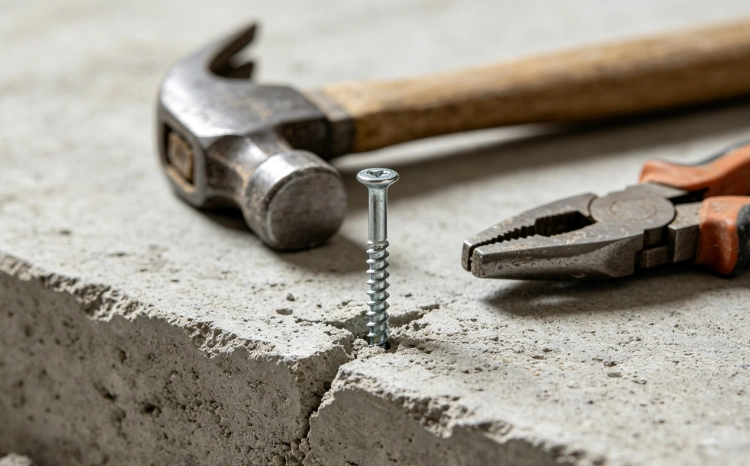
Taking out old fasteners is rarely easy. These items are built to stay exactly where you put them. You will quickly find that removing stubborn masonry nails for concrete takes more than just a quick pull.
High-Carbon Steel Means Extreme Hardness
Good fasteners are made of high-carbon steel and go through heat treatment. This makes them very hard so they do not bend when you hit them with a hammer. Because they are so stiff, they do not flex when you try to pull them out.
Deep Penetration Builds High Load Capacity
These fasteners shoot deep into the wall. This depth creates massive friction against the stone. Here is some real data to show why they are so hard to pull out:
|
Base Material |
Fastener Type |
Max Load Capacity |
|
3000 psi concrete |
Standard 4mm diameter nail |
80-100 kg |
|
4000 psi dense concrete |
Standard 4mm diameter nail |
Up to 125 kg |
|
Solid Brick |
Standard 4mm diameter nail |
55-70 kg |
|
Aged or Hollow Brick |
Standard 4mm diameter nail |
36-45 kg |
With a single piece holding up to 125 kg, you can see why pulling it out by hand is a tough job.
Rust Makes Things Worse
If the previous builder used cheap hardware without a zinc coating, rust happens. Rust acts like glue inside the hole. It binds the metal to the dust and stone, making the whole thing stuck permanently.
What Are the Right tools to remove masonry nails for concrete?
You cannot just use your bare hands or a cheap set of pliers. Having the right tools to remove masonry nails for concrete saves you time and keeps you safe on the site. Let’s check out what you need in your bag.
Heavy-Duty Pry Bars and Claw Hammers
A solid claw hammer is your basic tool. For deeper hardware, a long pry bar gives you more force. The longer the handle, the less work your arms have to do. This is one of the standard tools to remove masonry nails for concrete on any commercial site.
Locking Pliers for Damaged Heads
Sometimes the head breaks off. When that happens, a hammer is useless. You need locking pliers. You clamp the pliers tight on the metal stick and twist it back and forth to break the friction.
Angle Grinders for Flush Cuts
If the metal is completely stuck and pulling will break the wall, do not force it. Use an angle grinder with a metal cutting disc. You just cut the metal flat against the wall and leave the rest inside.
how to pull masonry nails for concrete Like a Pro?
Taking out these items takes patience. If you rush, you will leave ugly holes. Here is the exact process on how to pull masonry nails for concrete cleanly.
Loosen the Fastener with Gentle Hammer Taps
Before you pull, hit the metal head a few times from different sides. This tiny movement breaks the tight grip the stone has on the metal. It makes the next step much easier when you figure out how to pull masonry nails for concrete on an old wall.
Get a Better Angle Using a Wood Block
Never put your hammer directly against the wall. Place a small piece of wood next to the metal head. Put your hammer over the wood. This protects the wall from dents and gives you a better angle to pull.
safely extract masonry nails for concrete Straight Out
When you apply force, pull straight back. Do not bend it side to side too much. High-carbon steel is hard but brittle. If you bend it sharply, it snaps. When you safely extract masonry nails for concrete, you pull straight to keep the piece whole.
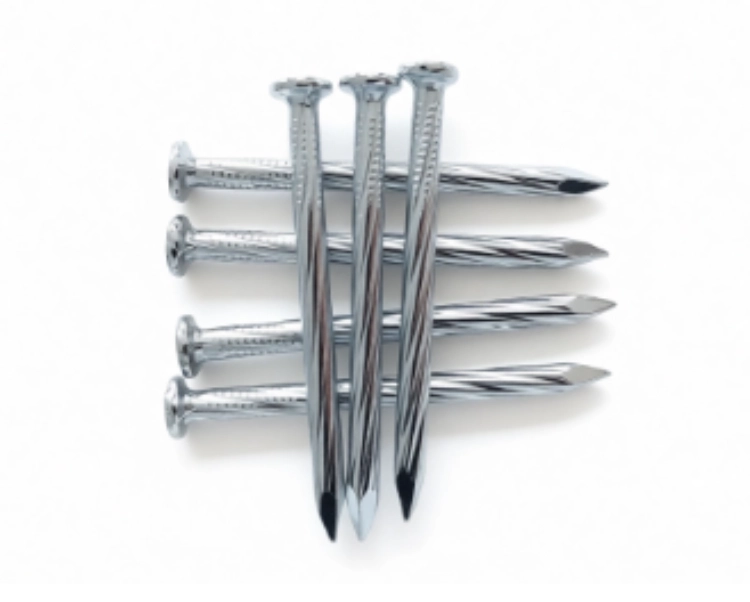
Is This the best way to remove masonry nails for concrete?
Yes, working slowly and using a wood block is the best way to remove masonry nails for concrete. It keeps the job clean. But you also need to think about your own safety and the cleanup afterward.
Wear Proper Protective Safety Gear
Metal and stone chip easily. When you pull hard, pieces fly in the air. Always wear safety glasses and thick work gloves before you start pulling.
Minimize Damage to the Surrounding Area
Working carefully is the best way to remove masonry nails for concrete without causing massive craters. If the stone starts to crack, stop pulling immediately and switch to the grinder.
Patch the Hole After Extraction
Once the metal is out, you have a hole. Clean the dust out. Fill it with standard wall filler or epoxy. Smooth it out so the surface is ready for paint.
How Do Our Fasteners Upgrade Your Construction Projects?
If you want to build things right the first time, you need good hardware. We make fasteners that drive straight and hold strong. The shape of the metal changes how well it stays in the wall:
|
Shank Type |
Holding Power |
Best Application |
|
Smooth Shank |
Standard baseline |
Normal indoor wall connections |
|
Twist / Spiral Shank |
20% to 40% higher than smooth |
Heavy stress framing |
|
Ring Shank |
Up to 40% greater withdrawal resistance |
High vibration structural areas |
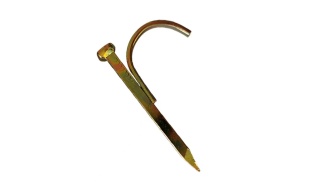
Choose Concrete nails smooth shank for Standard Fixings
For everyday jobs, our Concrete nails smooth shank are a great choice. They are easy to drive and perfect for attaching wood to normal walls. They do not fight you too hard if you ever need to take them out.
Use concrete nails angular spiral for Enhanced Grip
When you need a tighter hold, pick our concrete nails angular spiral. The edges cut into the wall material, locking the piece in place. This means your base plates stay exactly where you put them.
Rely on concrete nails spiral for Maximum Security
For the hardest jobs, our concrete nails spiral turn slightly as they go in. This creates a massive lock. We handle all the heat treatment and testing in our factory, so you get reliable performance every time.
Contact
Broken heads and rusted fasteners ruin your project timeline. We can provide custom material test reports, exact gauge charts, so you can pick the exact hardware that matches your local building codes. These documents are tailored for your project to stop you from buying the wrong specs. Tell us what base material your team is shooting into. Reach out and contact our factory team with your required lengths and surface treatments, and we will send the data straight to your desk.
FAQ
Q: Can I use a drill to remove masonry nails for concrete?
A: No. Drilling into hardened high-carbon steel will just ruin your drill bits. Stick to pry bars or an angle grinder.
Q: Why do my fasteners keep snapping when I pull them?
A: High-carbon steel is made to be hard, not flexible. If you pull them at an angle instead of straight out, the side pressure makes them break.
Q: Do galvanized masonry nails for concrete come out easier?
A: Yes. The zinc coating stops rust. Without rust acting like glue in the hole, you can slide them out much cleaner years later.

 Consult
 Whatsapp
 Leave Message
 top