


Related news

Collated vs Non-Collated Drywall Screws: Jobsite Speed & Labor Cost Matrix
Commercial drywall installation requires balancing fastener unit price against jobsite labor productivity. In high-volume interior partition projects, specifying collated drywall screws significantly accelerates board installation compared to manually loading individual bulk fasteners. Based in Hebei, Qinjia manufactures precision-engineered architectural and woodworking fasteners, supplying high-carbon drywall fasteners, concrete pins, and pneumatic collation strips to commercial distributors across North America, Europe, Australia, and the Middle East. Analyzing fastener collation geometry, thread pitch, and driving mechanics allows project managers to reduce installation downtime and lower total labor expenditure.
How Does Fastener Collation Impact Jobsite Speed and Labor Productivity?
Fastener feeding mechanics directly dictate installer velocity when attaching gypsum boards to structural wall framing. Comparing continuous strip feeding against manual screw handling highlights clear operational differences in square-foot output per hour.
Single-Handed Auto-Feed Driving versus Manual Screw Placement
Manual screw installation forces installers to retrieve individual fasteners from pouches using both hands, placing each shank onto a magnetic bit holder before driving. Integrating collated drywall screws into high-speed auto-feed screw attachments enables continuous, single-handed operation. Installers keep one hand free to position sheetrock panels flush against studs, eliminating manual handling overhead and doubling square-foot placement speed on commercial jobsites.
Bugle Head Flush Placement and Gypsum Surface Integrity
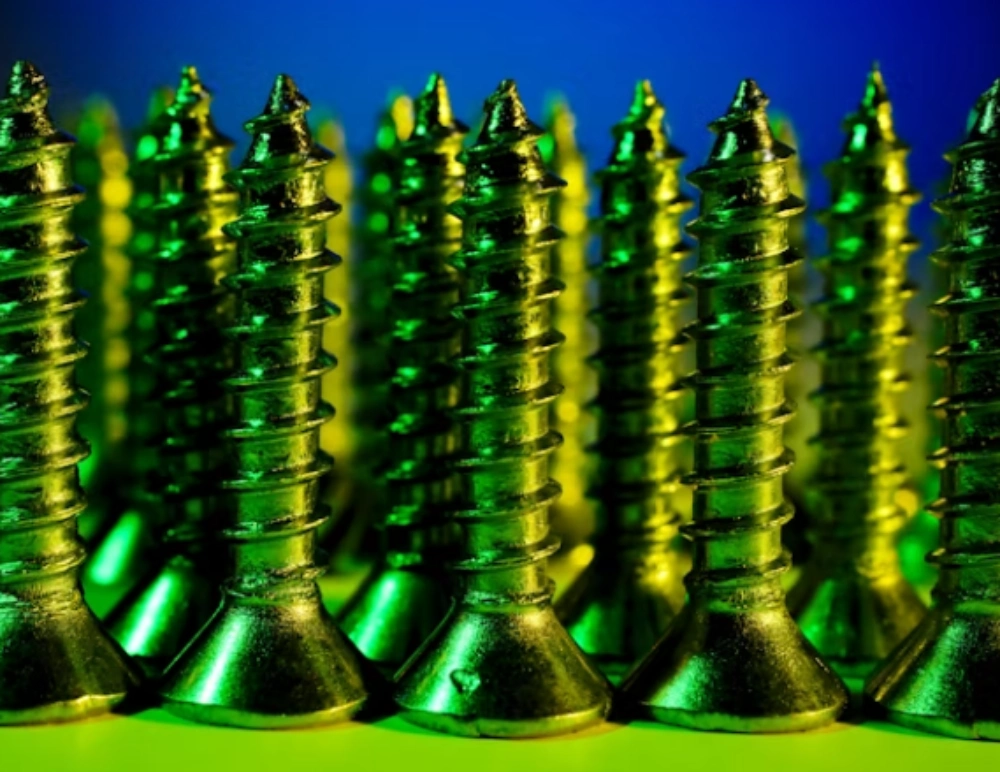
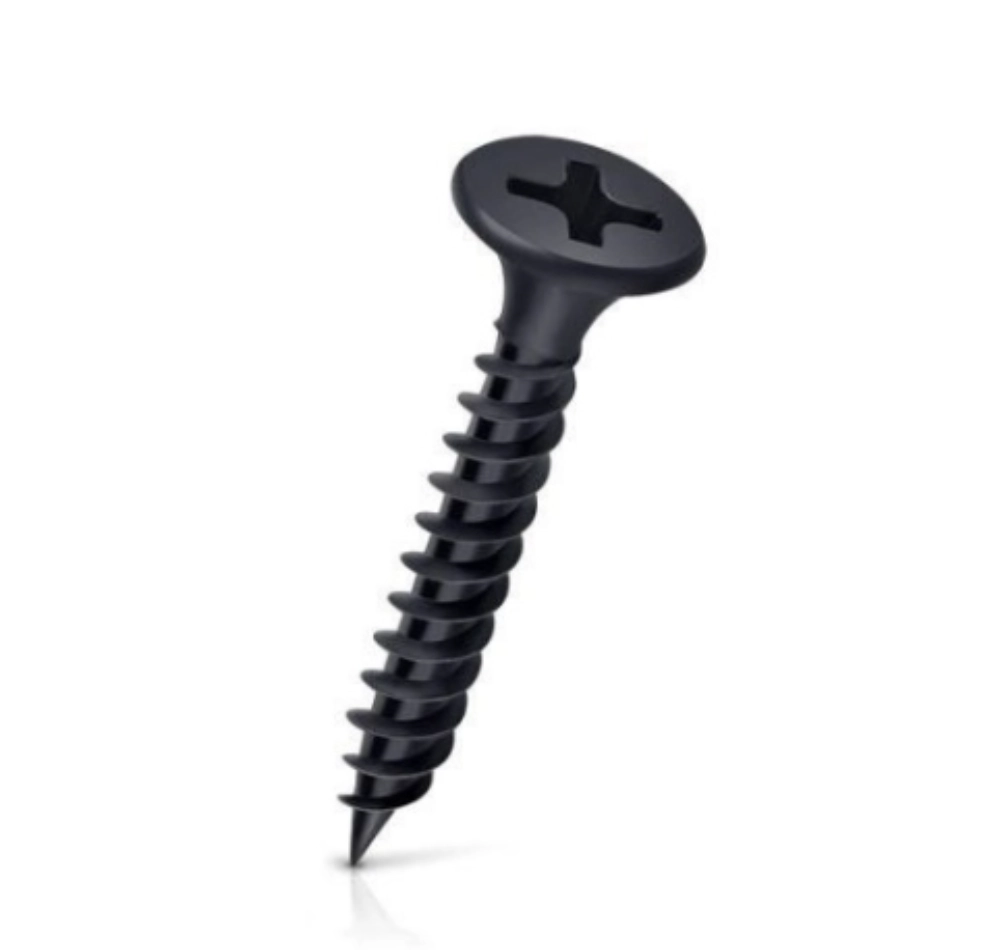
Maintaining structural holding power without damaging fragile paper facings requires controlled countersinking. Precision bugle head drywall screws engineered in M3.5, M3.9, and M4.2 diameters feature smooth, curved head profiles that press paper fibers downward into the gypsum core without tearing the surface facing. This flush seating creates clean dimples for compound taping while preventing core crushing.
Historical Drive Standards and Technical Selection Reference
Choosing appropriate driver slot geometry prevents surface slippage under high rotational torque. Site engineers reviewing historical drive standards can consult our technical breakdown on Pozidriv vs. Phillips: Which is the Right Choice for Your Drywall Screws to align drive bit compatibility with high-speed automated installation equipment.
Which Drywall Screw Specifications Match Specific Framing Substrates?
Substrate density dictates thread pitch selection and shank geometry. Matching thread geometry to wood or metal framing prevents strip-outs and ensures structural joint stability.
Coarse Thread Fasteners for Timber Framing and Wood Studs
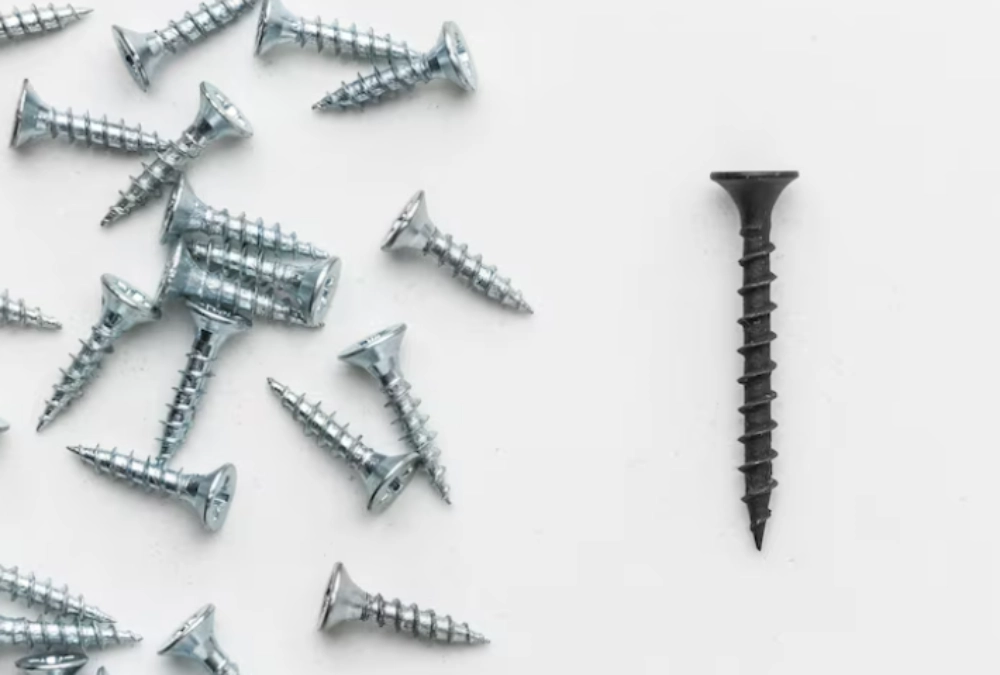
Securing gypsum panels directly to soft timber framing requires wider thread pitch dimensions. Specifying coarse thread fasteners for timber framing in M3.5, M3.9, and M4.2 diameters with lengths spanning 25mm to 75mm allows sharp steel threads to carve deep engagement tracks into wood fibers, delivering strong pull-out resistance without requiring pre-drilled pilot holes. B2B buyers sourcing bulk framing fasteners can inspect full production ranges under Qinjia Drywall Screws catalog options.
Fine Thread Screws for Light Steel Studs and Metal Channels
Commercial interior partitions frequently utilize cold-formed light-gauge steel studs. Driving coarse threads into sheet metal causes thread stripping and loose mechanical engagement. Utilizing fine thread screws for metal studs in M3.5 to M4.2 gauge profiles features dual-lead threads that tap cleanly through cold-rolled steel channels without tearing metal margins.
Black Phosphated and Galvanized Finishes for Moisture Protection
Ambient humidity and joint compound moisture induce oxidation on raw carbon steel shanks. Applying surface coatings—such as black phosphated or electro-zinc plating—creates a protective chemical barrier. Black phosphated finishes reduce drive friction while preventing rust bleeding through joint compound paint coats in interior wall systems.
|
Fastener Category |
Thread Profile |
Standard Gauge Range |
Available Lengths |
Primary Substrate Match |
|
Coarse Thread Drywall Screws |
Wide Pitch Coarse Thread |
M3.5, M3.9, M4.2 |
25mm – 75mm |
Timber framing & soft wood studs |
|
Fine Thread Drywall Screws |
Dual-Lead Fine Thread |
M3.5, M3.9, M4.2 |
25mm – 75mm |
Light-gauge steel studs & metal channels |
|
Plastic-Strip Collated Screws |
Coarse / Fine Thread |
M3.5, M3.9, M4.2 |
25mm – 55mm |
High-speed auto-feed gun installations |
What Equipment Parameters Prevent Plastic Strip Jamming and Bit Wear?
Continuous operation in auto-feed screw tools relies on strict strip collation tolerances and uniform wire metallurgy. Equipment misfeeds increase non-productive repair time during commercial board attachment.
Plastic Collation Flexibility and Auto-Feed Gun Alignment
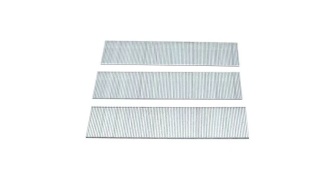
Automated power drivers advance fastener strips via mechanical indexing pawls. Verifying plastic strip collation tolerances on collated drywall screws ensures that individual shanks remain in exact parallel alignment without sagging. High-flexibility plastic collation strips feed smoothly through magazine tracks, eliminating jam-ups inside high-RPM auto-feed tool nosepieces.
Screw Torque Resistance and Speed Tapping Performance
Factory quality verification utilizes specialized speed tapping testing machines and handheld screw torque testers to monitor thread sharpness and core hardness. Ensuring consistent torsional strength prevents shank twisting when driving fasteners through dense wood knots or steel studs.
Reduction of Material Waste and Jobsite Scrap Rates
Driver bit slippage damages screw recess slots and ruins plastic collation strips. Utilizing heat-treated carbon steel fasteners engineered with concentric PH2 drive recesses allows driver bits to seat deeply, which helps prevent driver bit cam-out and lowers overall jobsite scrap rates on commercial installations.
How Do Factory Quality Protocols Ensure Jam-Free Screw Uniformity?
Mass manufacturing of plastic-collated strips requires full-process quality control across wire drawing, slot punching, heat treatment, and strip assembly stages.
Full-Process Inspection and Hardness Testing Standards
Quality management spans raw material incoming inspections through final export packaging. Automated testing protocols verify thread dimensions, core Rockwell hardness, salt spray corrosion resistance, and torsional yield strength, supported by optional third-party verification through SGS or BV inspection services.
Thread Pitch Precision and Head Concentricity Verification
Maintaining thread pitch accuracy across collated drywall screws prevents misfeeds inside automated tool tracks. Optical sorting systems inspect head concentricity, ensuring every PH2 recess remains centered on the shank axis to prevent wobbling during high-speed driving.
Container Cargo Security and Seaworthy Export Packaging
Exporting high-density fastener cargo requires durable packaging formats capable of enduring maritime transport. Production lines supply small inner boxes, plastic-wrapped bundles, heavy-duty buckets, and reinforced shipping cartons designed to prevent box collapse during international transit.
How Can Distributors Source Custom Fasteners and OEM Services from Qinjia?
Direct manufacturing partnerships provide hardware importers with tailored packaging formats, competitive factory pricing, and verified material compliance.
Flexible OEM/ODM Customization and Private Labeling
Hardware importers sourcing bulk shipments of collated drywall screws can request private label inner box packaging, custom strip collation angles, and specialized shank dimensioning through Qinjia Custom OEM/ODM Services. Custom packaging formats allow distributors to align product presentation with regional market branding requirements.
Free Sample Testing Protocols and Technical Parameter Sheets
Procurement officers evaluating product specifications can request free sample testing batches to inspect drive speed, plating adhesion, and collation flexibility prior to commercial container commitments. Factory technical parameter sheets and pre-loading inspection reports simplify international trade compliance.
Direct Factory Consultation and Inquiry Communication Channels
Communicating directly with factory sales engineers accelerates specification reviews, container consolidation planning, and export shipping arrangements. Factory technical guidance helps regional importers match thread pitches and coating specifications to local construction building codes.
Selecting proper thread pitches, strip collation angles, or custom OEM packaging formats requires direct engineering coordination. If your procurement team requires technical specification sheets, custom collation options, or sample testing batches for commercial distribution, please contact our technical sales team to review your order requirements.
FAQ
What is the main jobsite advantage of using collated drywall screws over loose bulk screws?
Using collated drywall screws paired with auto-feed attachments enables continuous single-handed driving, eliminating the time required to manually load individual screws onto magnetic bit tips and significantly increasing installation velocity.
What is the difference between coarse thread and fine thread drywall screws?
Coarse thread fasteners feature wider thread pitch engineered to carve deep engagement in soft timber studs, while fine thread screws use dual-lead threads designed to tap cleanly into cold-rolled light steel studs without stripping metal margins.
Do collated drywall screws fit all brands of auto-feed screw guns?
Most commercial plastic-collated strips utilize standardized collation strip spacing and angles compatible with major auto-feed screw gun attachments, provided the shank diameter (M3.5 to M4.2) and length match tool specifications.

 Consult
 Whatsapp
 Leave Message
 top
top