

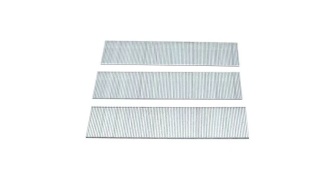

The Ultimate Guide to Choosing Eco-Friendly Hardware for Resilient Home Building
Picture a house that lasts through the years. You probably imagine strong walls and a firm base. Yet, the real power comes from the hidden parts that connect everything. In today’s world, where green practices matter greatly, picking eco-friendly hardware offers the best path to projects that endure and care for the environment. Choosing solid fasteners cuts down on waste, stops early breakdowns, and builds a space that honors nature.
Finding a trusted supplier solves half the challenge before exploring tough building details. For a company blending years of shipping know-how with strict no-flaw standards, visit Hebei Qinjia Metal Products Co., LTD.. Located in China’s main manufacturing area, they focus on strong connectors for markets around the world. Their edge lies in complete quality checks—from checking raw supplies to final rust tests—which confirm each screw and nail hits global marks like SGS or BV. As a seller in North America or a designer in Southeast Asia, their staff offers practical advice and custom options to complete detailed builds.
Why Is Resilient Construction the Future of Sustainable Housing?
Resilient building creates setups that handle weather pressures without constant fixes or swaps. This method aids green goals since the greenest structure is one built just once.
The Shift Toward Long-Lasting and Low-Impact Materials
Builders today favor supplies with small carbon traces over their full use. Metal connectors play a key role here. They recycle easily and give the needed force to hold thick, green fillers and built wood. Opting for parts with better rust-proof layers keeps the house’s inner frame solid for many years.
Reducing Waste Through Superior Fastener Longevity and Strength
Weak screws break or wear out while fitting, causing lost metal and harmed wood. Putting money into well-made parts reduces site trash. Strong connectors speed up work with less mistakes. In turn, this drops the site’s energy needs and avoids later fixes.
Balancing Structural Integrity with Environmental Responsibility
Real green building balances protection and resource use. Picking eco-friendly hardware involves items with safe surface covers, like black phosphating or zinc plating. These guard the metal without releasing bad substances into the ground. Thus, the home stays safe for residents and fits well in the nearby surroundings.
How Do High-Performance Screws Support Sustainable Wood Framing?
Wood counts as a top renewable material. Still, its value hinges on the joining method. Old ways of fastening can harm the wood’s inner makeup, causing breaks and wobbles.
Precision Engineering for Reduced Timber Splitting and Waste
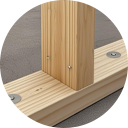
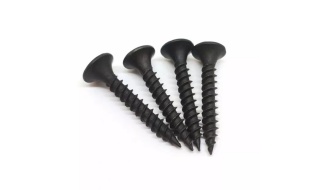
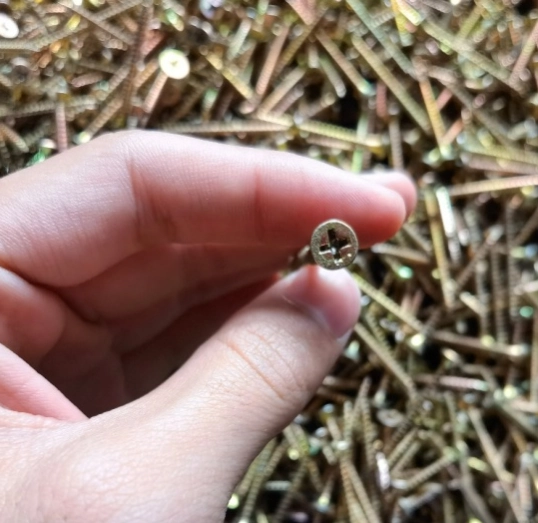
Using a Chipboard Screw, the thread pattern fits made boards and soft woods well. Fine, pointed threads slice through fibers instead of pushing them aside. Such care lowers the chance of wood cracks near edges. That issue often wastes supplies in shelf or floor jobs.
Professional Chipboard Screws for Durable Eco-Friendly Joinery
In green furniture work, the aim is steady pieces that hold up. These screws have a flat head that levels with the face. This gives a neat look without much filler or harmful glues. Plus, their pull strength keeps joints firm even with big weights.
High Torque Resistance for Secure Long-Term Wood Connections
Green builds often use thick, shaped woods that take force to enter. A good screw must take strong turns without the top snapping. Fasteners tested for firmness ensure each link lasts. This cuts risks of noisy floors or moving frames as time passes.
Can Specialized Nails Enhance the Lifespan of Concrete Structures?
Concrete forms the base of many lasting houses. Yet, attaching wood or metal to it poses real challenges. Wrong nails can crack the stone or come loose under load, weakening the whole setup.
High-Carbon Steel Composition for Maximum Penetration and Grip
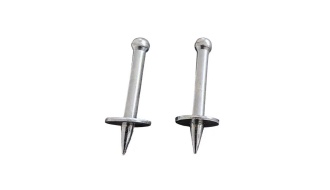
For a lasting tie to tough stone, nails from high-carbon steel need heat treatment for great firmness. This process lets the nail go in straight without curving. High-carbon steel’s steady makeup also avoids bad reactions with concrete’s basic quality. So, the connection holds for the building’s full run.
Grooved Concrete Nails for Superior Fastening in Hard Masonry
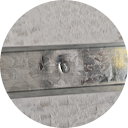
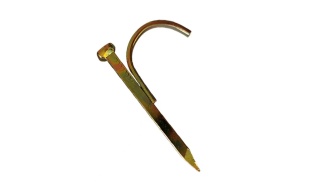
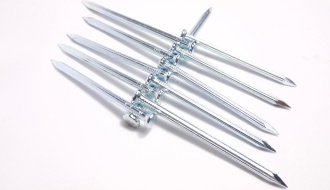
To get the best hold, Grooved Concrete Nails set the standard. The ridged shaft boosts contact area with the stone. It forms a tight grip that’s hard to break. This matters for fixing heavy parts where safety and shake-proofing count most.
Heat-Treated Durability to Prevent Structural Failures and Repairs
Weak spots harm a strong house. A nail that’s overly firm breaks. One that’s too yielding bends. Top concrete parts get balanced heat work for the right strength level. This avoids small cracks in the stone during fitting. As a result, the base stays leak-free and firm for years.
What Role Do Finishing Nails Play in Green Interior Design?
Green ways reach inside the house too. There, attention turns to looks, air freshness, and smart use of trim supplies. The target is a fine look with little hardware trace.
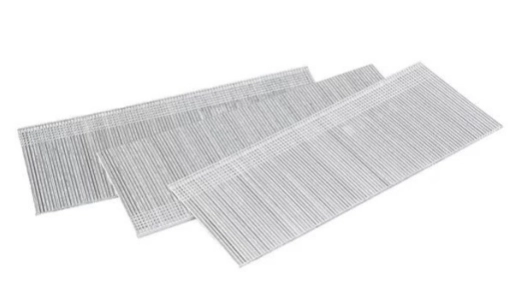
18GA F Brad Nails for Discrete and Material-Efficient Finishing
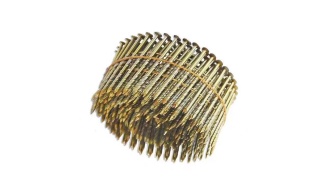
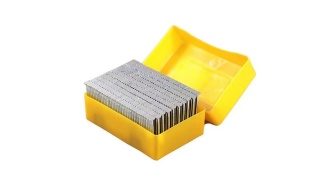
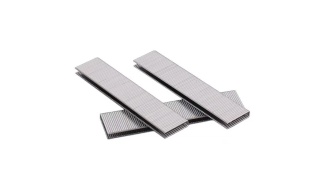
Fitting light edges or building green bamboo items calls for a fastener that blends in. The 18GA F Brad Nails stay very slim. They make small marks needing little cover. So, less chemical fillers or paints get used. This boosts healthy air inside.
Smooth Surface Coatings to Prevent Corrosion and Material Decay
Small finish nails require guarding too. Fine brads often get zinc or copper covers to stop rust marks from showing in paint or color. In a lasting home, these layers keep inner parts clean in damp spots like kitchens or baths. This avoids early reworks.
Versatile Applications in Sustainable Furniture and Decorative Joinery
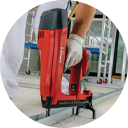
These slim nails go beyond base trim for detailed wood work. They work with quick air tools, allowing fast joins with low power draw. Holding thin layers and fine shapes without wood harm makes them key for supply-saving builders.
Why Partner with a Full-Service Fastener Manufacturer for Your Projects?
Choosing the right eco-friendly hardware starts the process. Yet, a supply line must match your schedules and standards too. Dealing straight with a maker brings clear views and tech backing that sellers can’t match.
Global Supply Chain Stability and Rigorous Quality Inspection
Sourcing from a plant with set paths to North America, the Middle East, and Australia gives steady access to key parts. This stops hold-ups that raise costs and lose supplies. Each group of connectors faces sample checks and plant reviews for even work over many pieces.
Customized OEM Solutions for Specialized Green Building Standards
Each green job differs. At times, a set shaft size, special thread spacing, or unique rust block fits local rules. A skilled maker offers tailored tests and quick models to match the parts to your fresh supplies.
Technical Support and After-Sales Tracking for Construction Efficiency
A strong house marks a skill in tech. Getting tips on use and fit advice helps the crew pick the best tool for each base. Follow-up care, with return rules based on quality and problem fixes, supports the goal of better, tougher, greener homes.
FAQ
Q: Why is choosing eco-friendly hardware important for my home’s resale value?
A: Houses with solid, lasting connectors face fewer problems like dropping floors, wall splits, or water leaks. People now seek well-made homes that stress endurance and green supplies. This makes your spend more appealing over time.
Q: Can I use standard screws for all wood types in a green building project?
A: Experts advise against it. The wrong screw can crack costly green woods or lack hold in shaped boards. Parts like chipboard screws guard wood wholeness for firmer links and less waste.
Q: How do I know if the hardware I am buying is truly durable?
A: Seek makers with supply papers, rust test outcomes, and firmness data. Good parts come from fine steel (like 45# or high-carbon steel) with layers suited to your weather and job needs.

 Consult
 Whatsapp
 Leave Message
 top
top