

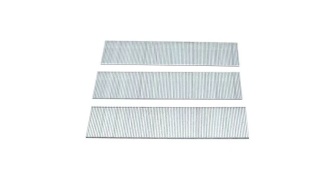

Concrete vs Steel Nails: 5 Key Differences for Your Next Construction Project
Are You Ready to Match the Right Fastener to Your Project Needs? Understanding the material differences between concrete and steel nails is only the first step toward a successful build. To achieve maximum structural integrity, you must also consider the specific substrate you are working with, as the shank design of a nail dictates its performance under load. Hebei Qinjia Metal Products offers a specialized range of high-carbon steel fasteners engineered to tackle different densities of masonry and concrete with precision.
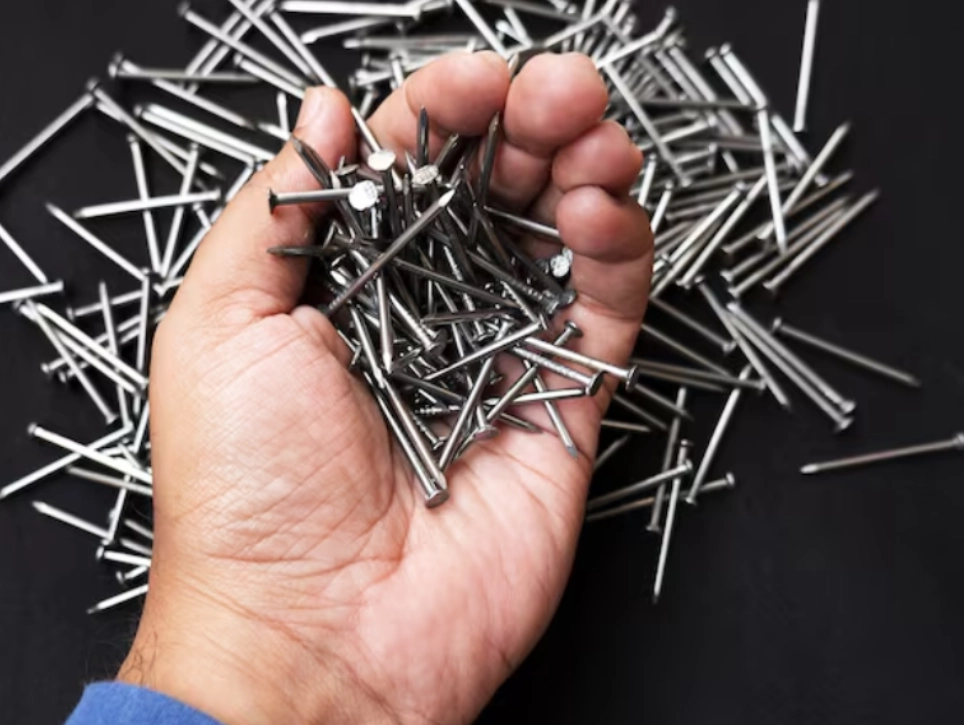
Why Does Choosing the Right Nail Matter for Your Structure?
Material Strength and Hardness Comparison
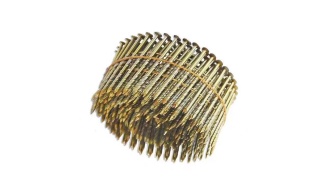
Standard steel nails come from low or medium carbon steel. On the other hand, Hebei Qinjia cement nails rely on high-carbon 45# steel, which gives them better lasting power. I mean, in real jobs like building walls, that extra toughness really counts..
Our cement nails go through special heat treatment. This process boosts their hardness a lot, so they can drive into tough concrete or brick walls and won’t bend easily. Think about a site where workers hammer hundreds of nails daily—that reliability saves time and headaches.
Surface Treatment and Corrosion Resistance
Regular nails often rust fast in wet spots. But our items have zinc plating, bluing, or black phosphated covers, which can help them last longer in different settings. For example, on outdoor fences exposed to rain, they hold up way better than plain ones.
Such smart coatings cut down rust a great deal. Thus, they fit well for inside jobs or outside builds. In my view, that’s a smart pick for folks in rainy areas like the Midwest.
Application Specificity and Penetration Power
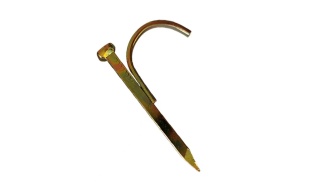
Steel nails work best for joining wood frames. Yet, cement nails have unique shanks, can give strong hold in stone or block work. Picture framing a house—using the right one keeps everything solid.
Pick the wrong nail, and your build might fail. Our fasteners for concrete are made just for that. They link wood to concrete or light steel parts. From years in the field, I’ve seen bad choices cause costly fixes.
Are You Using the Best Concrete Nails for Your Specific Substrate?
Superior Grip with Grooved or Fluted Shank Concrete Nails
These nails feature upright grooves that provide exceptional pull-out strength in average concrete. In a typical garage build with standard masonry walls, this design ensures they stay put under load. For contractors seeking a balance of quick installation and reliable “stick” in stonework, our Concrete Nails – Grooved (Fluted) Shank are the ideal choice. Most workers find them incredibly handy for everyday tasks where a secure, hassle-free bond is required.
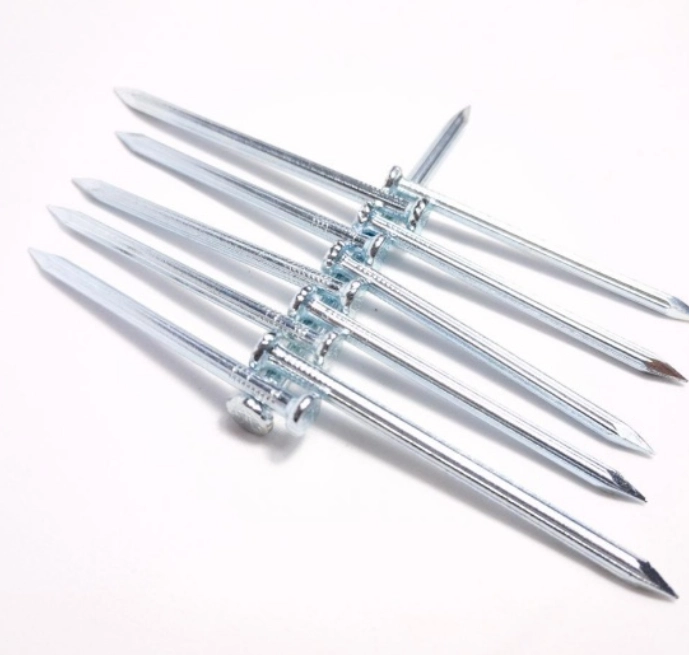
Maximum Holding Power of Angular Spiral Concrete Nails
When your project demands a “screw-like” action for maximum security, the twisty thread of an angular spiral nail is the answer. It locks tight into high-strength concrete, making it essential for heavy setups like industrial shelving or structural attachments. For these high-stress environments where vibration or heavy pulls are a factor, we highly recommend our Concrete Nails Angular Spiral. These are the go-to fasteners for critical spots like bridges or seismic-prone zones where structural integrity cannot be compromised.
High Speed Installation Using Smooth Shank Concrete Nails
For projects where time is money, the plain surface of a smooth shank nail allows it to slide in quickly with minimal push-back. These are excellent for basic brick or mortar work, allowing renovation teams to mount panels or trim in half the time. Our Concrete Nails Smooth Shank are widely popular among small crews who prioritize cost-effectiveness and rapid completion. They are the perfect solution for simple fixes that need to be wrapped up efficiently without sacrificing professional results.
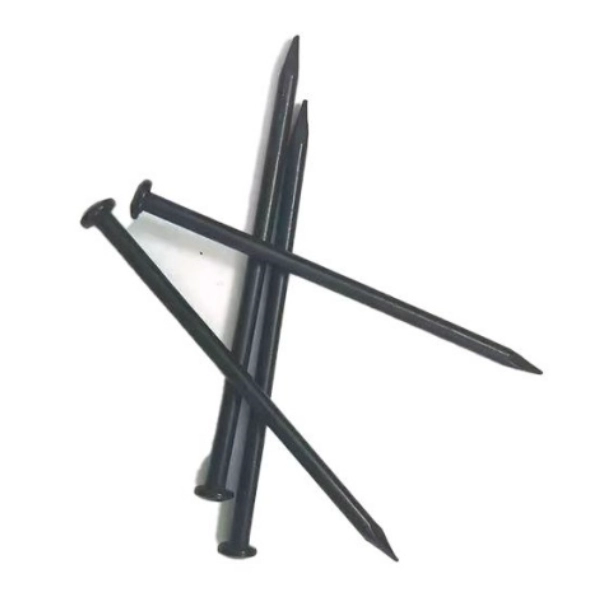
How Does Hebei Qinjia Ensure Professional Grade Reliability?
Rigorous Quality Control and Testing Standards
We check everything from start to end, which covers raw stuff coming in to boxes going out. This way, quality stays steady. It’s like having eyes on every batch—prevents surprises down the line.
Our plant has tools like twist testers and hardness checkers. They match global rules from groups such as SGS or BV. We’ve passed audits with flying colors, which builds trust with buyers worldwide.
Comprehensive OEM and Global Supply Chain Solutions
We handle custom packs like tiny boxes, wrap in plastic, or big loads. Plus, we do OEM labels to help sellers boost their spot in home markets. One client doubled sales with our branded packs—pretty neat.
Shipping is flexible too. We mix loads in containers, and team up with ship pros for smooth trips around the world. No delays mean happy customers, every time.
Professional Technical Support and After-Sales Service
We go beyond just making stuff. Our team shares specs, tips on use, and fit advice for all nail systems. It’s like having an expert on call for your project questions.
Payments are simple: 30% upfront with T/T, then 70% before ship. We back it with full check reports and pack details. That gives buyers real calm. Honestly, it’s reassuring to see everything documented.
FAQ
Q: Can I use standard steel nails for concrete walls?
A: No, standard steel nails are too soft and will likely bend; you must use heat-treated high-carbon steel concrete nails to penetrate masonry safely.
Q: Which concrete nail shank provides the strongest grip?
A: The Angular Spiral shank offers the highest holding power because its “screw-like” thread creates a superior mechanical interlock within high-strength concrete.
Q: Does Hebei Qinjia provide quality certification for international orders?
A: Yes, we provide material certificates and inspection reports, and our products can be verified by third-party testing agencies like SGS or BV.

 Consult
 Whatsapp
 Leave Message
 top
top