




How to Choose the Right Self Tapping Screw for Heavy-Duty Industrial Projects
Picking the proper self tapping screw goes beyond a simple buying choice. It shapes the frame’s security and endurance in your factory setups. In tough settings with shakes, heat shifts, and strong pulls, basic connectors fall short. A fitting option pairs metal toughness with exact design. This keeps all joins solid over time.
Handling big jobs often means seeking a teammate who values standards like you do. Consider partnering with Hebei Qinjia Metal Products Co., LTD.. This firm excels in strong joining methods. Set in China’s key factory zone, they craft screws via careful steps. These include thread pace checks, turn force reviews, and salt mist trials. Their strength shows in complete checks. These run from raw metal arrival to last random picks before shipping. Serving areas from North America to Southeast Asia, they supply needed papers like SGS or BV for your tech team. Their staff focuses on your build’s wins. They offer custom options and advice to turn plans into key structures.
Why Is Material Hardness the Foundation of Industrial Fastening?
In demanding builds, the metal’s traits set the whole setup’s outcome. A soft screw won’t cut in. A fragile one breaks under tool strain.
Heat-Treated High-Carbon Steel for Superior Penetration
Screws need more firmness than the base they enter to form clean paths. Seek connectors from high-carbon steel with targeted heat work. Such steps build a tough outer layer. It slices metal or thick stone without dulling the tip. Thus, fitting stays smooth and quick each time.
Resistance to Deformations Under High-Torque Installation
Factory drivers apply huge push. A solid self tapping screw holds its form against this force. It avoids head wear or body bends. With better firmness, the drive part stays intact. This passes full power and cuts site hold-ups from failed parts.
Prevention of Structural Failures in Heavy-Load Environments
Demanding jobs meet shifting weights as time goes on. A poorly balanced connector might gain tiny breaks that cause big issues. Hardware meeting firm pull standards keeps joins from slipping or splitting. Even steady shakes or machine loads won’t weaken them.
How Does Thread Design Influence Construction Efficiency?
Material power matters, but screw shape also sets team speed and material hold. Smart threads cut work costs and scraps.
Sharp Threads for Rapid Engagement and Reduced Labor Time
Site speed often counts by time per part. A keen, clear thread grabs the base right away. This quick hold eases worker strain and boosts the build flow. Such pace helps meet strict timelines.
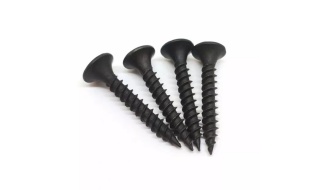
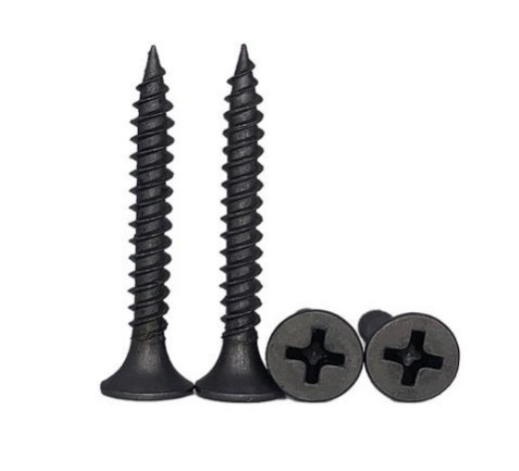
Professional Drywall Screws for Secure Metal-to-Gypsum Bonds
Builds with inner walls or roof setups need targeted fixes. Slim threads suit thin steel frames. Drywall Screws offer tight hold in metal. Wide threads shine in wood. Pointed tips and steady spacing draw panels close to frames. This stops loose spots common in weak fits.
Bugle Head Engineering for Seamless and Flush Surface Finishes
In fine work, looks link to safety. A bugle head lets the part sink a bit into the face without ripping the top layer. It forms a level end easy to hide with filler or color. The join stays hidden yet very firm.
Which Features Ensure Stability in High-Density Substrates?
Current factory work uses mixed bases or thick shaped woods. These prove hard to join without harm.
Optimized Pitch for Maximum Grip in Engineered Materials
Thread spacing, known as pitch, fits the base’s thickness. In dense stuff, a tuned pitch stops the screw from slipping or dropping hold. Once set, the rub-lock fights pull forces well.
High-Performance Chipboard Screws for Splitting Resistance
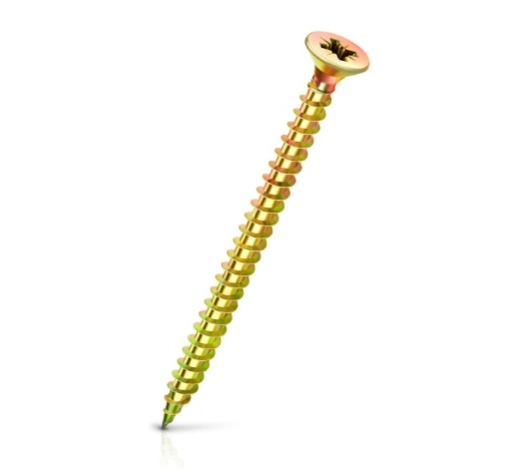
Dealing with chipboard, MDF, or soft woods risks breaks. A good Chipboard Screw has a narrow body and full threads. They slice fibers instead of forcing them open. The style lets fitting near board sides without cracks. This suits shelves and ready factory units.
Specialized Coatings to Prevent Corrosion in Diverse Industrial Climates
Build green means blocking rust. In wet shore areas or chemical plants, covers like black phosphating or zinc plating work. These outer guards stop metal decay. So, the self tapping screw holds up through its full use. This keeps the full setup safe.
What Quality Standards Define a Reliable Industrial Fastener?
Project safety can’t rely on luck. A trusted connector shows through strict checks before site arrival.
Rigorous Thread Speed and Torque Testing Protocols
Leading firms use special gear like hand torque tools and thread pace devices to check work. Trials match real factory loads. They confirm each group takes tool speeds and strains without breaks.
Compliance with International SGS and BV Inspection Standards
Global jobs need proof as backup. Insist on items checked by groups like SGS or BV. Such approval shows steel makeup and screw sizes fit tight world rules for frame work.
Consistency in Dimensions and Surface Finishing Across Large Batches
Big orders of millions demand evenness. A small size or head shift can block auto lines or wear tools. Strong making keeps the first unit like the last. This gives the sameness needed for smooth big runs.
How Can Integrated Support Optimize Your Procurement Process?
The last choice step covers if the seller handles global load and tech needs.
Full-Process Quality Control from Raw Material to Export
A safe chain starts with wire checks and ends at container fill. Picking a plant that oversees all cuts outsider risks. Clear steps assure the promised standard matches what arrives.
Customized OEM Solutions and Technical Consultation Services
Tough jobs bring fresh issues. For odd sizes, marks, or coat picks in special spots, direct advice proves key. Tailored OEM fixes let hardware fit your team’s exact wants.
Direct Factory Contact for Global Supply Chain Transparency
Cutting out go-betweens lowers price and boosts talk. Plant links give live order news and quick fixes for tech queries. Such care shifts a buy into a steady tie for factory goals.
FAQ
Q: Can I use a standard self tapping screw in high-strength concrete?
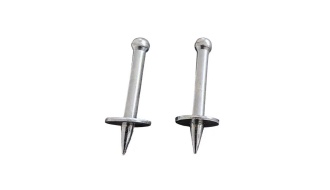
A: No, basic wood or metal types don’t suit concrete’s thickness. Targeted stone connectors from heat-worked high-carbon steel work best. They often have ridged bodies for entry and hold without snapping.
Q: What is the difference between fine-thread and coarse-thread screws for industrial builds?
A: Slim threads fit metal frames or thin steel. Closer spacing gives better metal grab. Wide threads suit wood or plastic bases. Broader spacing digs deeper into fibers for firm hold.
Q: How does the surface finish affect the lifespan of an industrial screw?
A: Zinc plating or black phosphating blocks water and air. In hard or open uses, rust-proof ends matter. They stop weakening that might lead to frame breaks.

 Consult
 Whatsapp
 Leave Message
 top
top