


Essential Tips for Preventing Concrete Nails from Bending During Installation
On a tough construction site, few things slow you down more than a fastener that gives way under stress. High-quality concrete nails form the base of any solid building task. However, even strong steel can give out if you overlook the basics of fitting them in. If you’ve dealt with lost supplies or shaky connections, you understand that bending isn’t merely annoying. It signals a real threat to the structure’s strength.
For projects that last, you need a supplier who truly gets the details of fastener design. No matter if you’re a big distributor or a key engineer, Qinjia delivers the tough, reliable products you need. Located in China’s main hardware area, this group focuses on high-carbon steel items treated with care. They don’t simply send packages; they offer confidence for work in North America, the Middle East, and Southeast Asia. From plain shanks to custom C-rings, their strict checks—like torque and salt spray tests—make sure each nail fits global rules.
Why Do Concrete Nails Bend or Break During Heavy-Duty Installation?
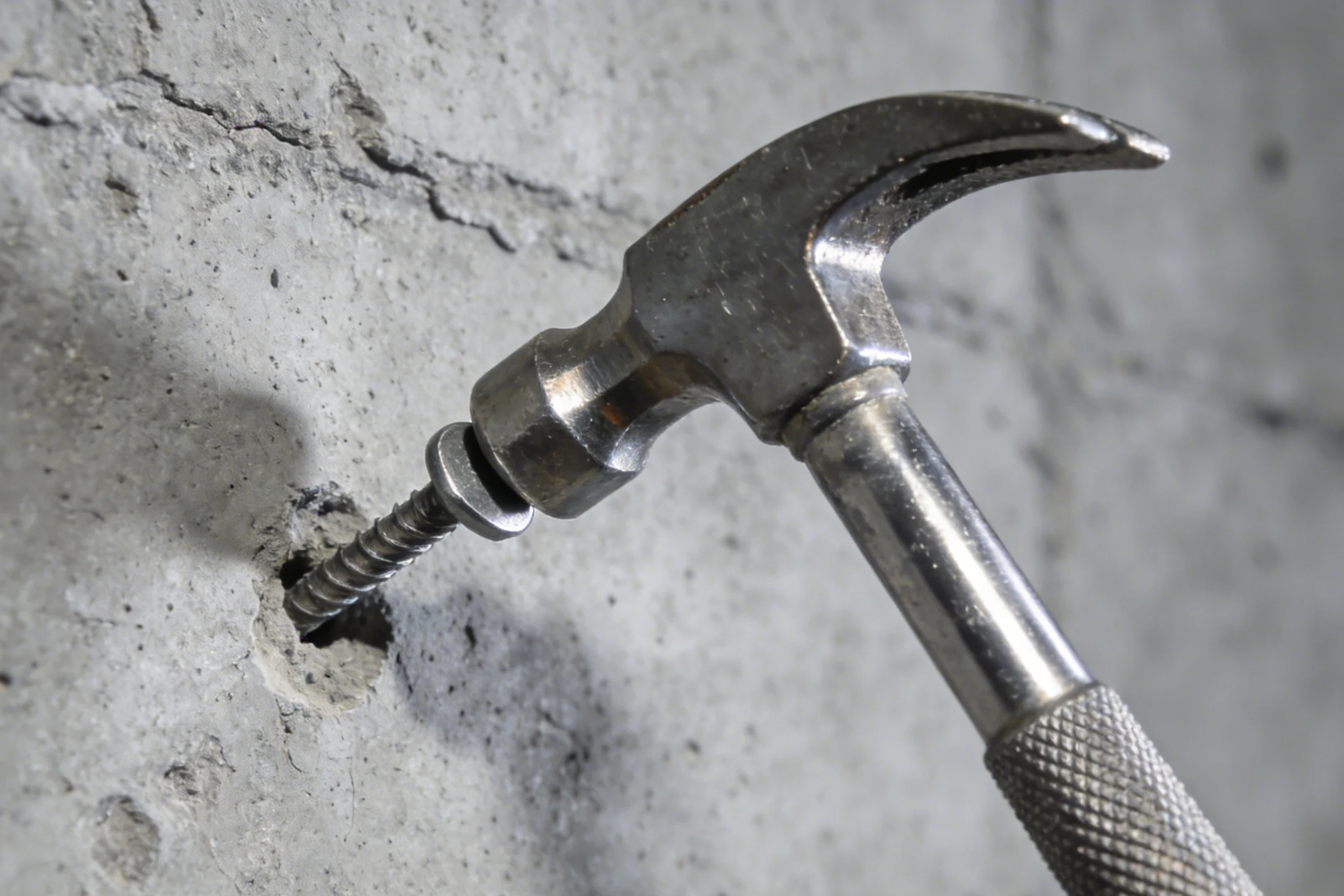
A bending nail often comes from a poor match between the fastener’s build and the base material’s firmness. Driving into old, high-pressure concrete creates huge pushback. And that can lead to issues right away.
Low Carbon Steel vs. High Carbon Hardness
Plenty of basic fasteners flop because they’re built from mild, low-carbon steel without enough strength to handle hits. The fix is to pick high carbon steel concrete nails for no bending. These usually come from 45# or 60# steel and get a targeted hardening step. That heat process changes the metal’s makeup, so it gains the toughness to cut through rock without twisting.
Insufficient Surface Treatment and Friction Resistance
Rubbing builds heat and pushback. A nail with a bumpy, raw finish needs extra push to go in, raising the odds of a side twist. Top-grade choices usually have zinc coating, bluing, or phosphating. These layers not only stop rust; they make the path smoother into the stone work, letting the nail slide in with less rough force.
Poor Shank Design for Specific Substrates
Concrete surfaces vary a lot. A shank suited for soft brick may not work at all for a strong concrete post. Grasping the shape of the fastener is your starting point in learning how to prevent concrete nails from bending during installation. When the shank is too slim for the hole’s depth, or the hold is weak, the hammer’s power shifts sideways instead of straight down. As a result, the steel might crack or warp.
Which Is the Best Shank Type for Concrete Nails to Avoid Bending?
Picking the right hold style is key. The shank shape decides how the nail works with the concrete grains and handles the hit’s strain.
Smooth Shank for General Masonry
For regular brick or softer filler, the Concrete nails smooth shank often proves the quickest option. Its even surface lets it enter fast with little shift in the material. These fit well for inside walls where pace matters and the base is steady.
Grooved or Fluted Shank for Maximum Grip
For tougher spots, the Grooved (Fluted) Shank sets the bar for steadiness. The lengthwise grooves serve as support beams, strengthening the nail against twists while creating paths for the stone powder to clear. This setup boosts the contact area with the wall, securing the nail firmly.
Spiral Shank for Superior Withdrawal Resistance
Where shakes or big weights matter, concrete nails spiral bring a clear edge. As the nail goes in, the twist pattern makes it rotate a bit, locking itself like a screw into the base. This tight link stops it from pulling out easily and adds firmness against bends on the first hit.
How to Drive Concrete Nails Without Bending Them
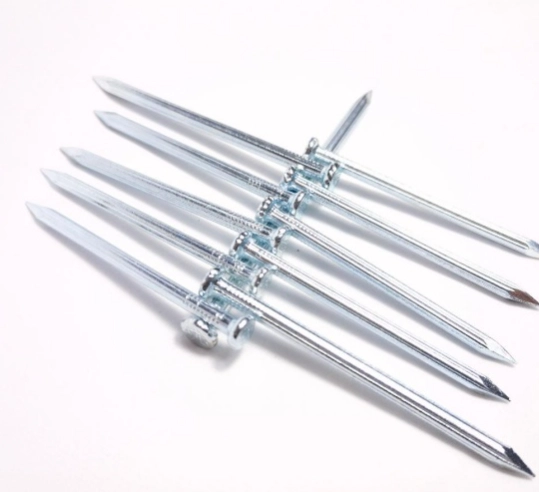
The way you do it counts as much as the tools. Even a top grooved nail can fail with bad habits. Treat each hit as a straight push of power.
Use of Appropriate Impact Tools
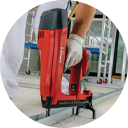
Avoid using a weak hammer on heavy fasteners. A small wood hammer for a 3-inch stone nail means more swings than needed, upping the risk of off-center hits. Instead, a solid masonry hammer or air-powered tool gives the sharp push to set it before the metal wobbles or shifts.
Consistent Perpendicular Driving Angle
The top reason for trouble is striking off-center. To get it right, make sure each hit lands straight on the head. Any lean turns the down force into a side strain. If keeping it steady is hard, a holder or grips can guide the shank safely and keep it aligned.
Managing Strike Frequency and Force
Go for a handful of strong, steady blows rather than many light ones. Each should advance the nail a good bit. When it sticks and you keep pounding, the force builds up in the shank. That’s why experts look for solid concrete nail installation tips to prevent bending.
Pre-Drilling Guide for Concrete Nails to Stop Bending
For fresh concrete or extra-strong factory slabs, raw power may fall short. Here, a planned method helps guard your fasteners well.
Identifying When Pre-Drilling Is Necessary
If your tough nails spark or rebound often, the stone is probably too dense for straight entry. This happens with ready-made beams or old base walls. Drilling first isn’t a shortcut; it’s a smart move for a smooth, damage-free result.
Choosing the Correct Bit Size
Success with a starter hole means picking a stone bit just under the nail’s width. It clears enough space for easy passage, yet keeps enough grip for a firm hold. For a 4mm nail, try a 3mm or 3.5mm opening. This method stands as the top pre-drilling guide for concrete nails to stop bending.
Cleaning the Hole for Maximum Friction
Loose powder blocks a good fit. After boring, clear out the fine concrete bits with air or suction. A dusty hole packs the junk tight when you insert the nail, forming a fake barrier that bends the steel or chips the surface.
How Does Professional Manufacturing Quality Ensure Installation Success?
What sets a good build apart from a bad one often traces back to the maker. Sourcing from a place that stresses heat work and clean materials cuts site errors to almost nothing.
Solid making goes beyond forming metal; it demands real knowledge of metal science. Opting for items checked for strength means every concrete nails batch handles rough site demands. Plus, special layers keep things free of rust and strong for years.
To grasp how exact building helps, check the full details on our fastener solutions. Our staff stands ready to help with large buys, tailored packaging, and expert advice to keep your builds on track.
For questions on bulk costs or special tests, please contact us now.
FAQ
Q: Can I use regular wire nails in concrete if I am careful?
A: No. Everyday wire nails miss the carbon level and heat process to break into stone. They twist right away and could even break, posing a danger. Stick to proper concrete nails for stone jobs.
Q: Which surface finish is best for outdoor construction?
A: In wet outdoor spots, go with galvanized or zinc-coated nails. Such covers add a shield that keeps the inner steel from breaking down through rust.
Q: What is the most effective way of how to drive concrete nails without bending them in tight corners?
A: In narrow areas without room for a full swing, grab a nail set or pipe extension. It lets you push right on the head without risking a slanted blow that leads to bending.

 Consult
 Whatsapp
 Leave Message
 top
top