


How Do Surface Coatings Protect Roofing Screws from Extreme Coastal Weather
If you have handled a building job close to the sea, you realize that the salty wind acts as a hidden foe. Basic fasteners tend to rust quickly, often in just a few months. This leads to weak points in the framework and ugly red marks on clean surfaces. Selecting proper Roofing Screws goes beyond the tip or the groove. It involves the unseen guard from modern surface layers. In areas with heavy salt, the thin wall between the metal and the air decides if your roof holds up for three decades or only a short time.
To handle these issues, a supplier with knowledge of metal work and worldwide chain rules is essential. Qinjia leads in the fastener field by stressing strong high-carbon steel and focused heat steps. From Hebei, they supply buyers and tech teams in North America, the Middle East, and Southeast Asia. They produce more than screws; they offer full checks from start materials to end salt tests. For custom C-rings or lasting stone nails, their steady flow and firm hold to world rules make them a solid pick for big buys.
Why Is Salt Spray Resistance Critical for Fasteners in Coastal Environments?
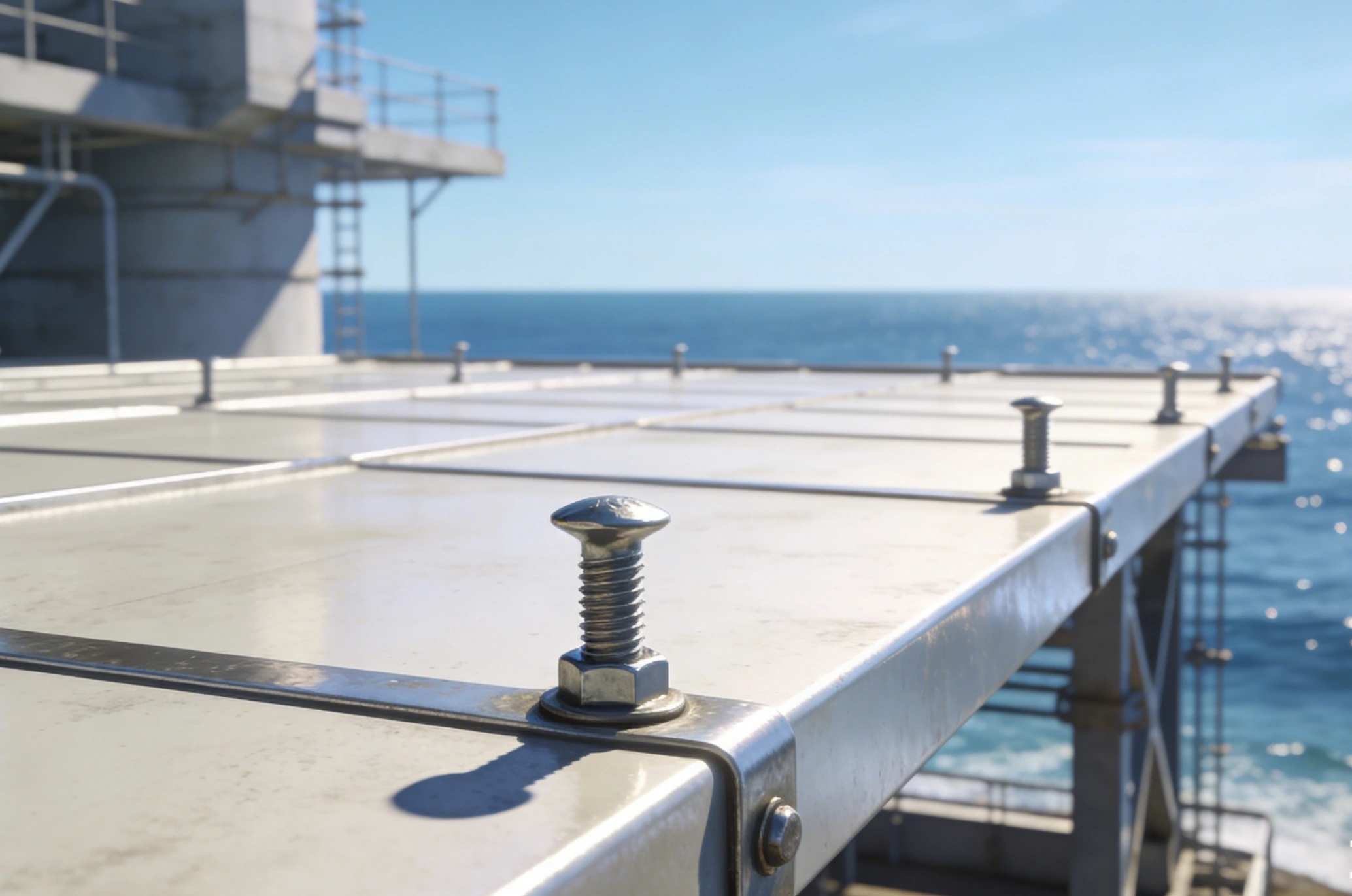
Your site’s location shapes how long the hardware endures. Near the sea, the air mixes dampness and salt bits that steadily harm metal.
High Salinity Accelerates Metal Oxidation and Structural Decay
Salt bits on metal form a liquid path that quickens rust buildup. This reaction cuts through plain steel much faster than in dry spots. For jobs using Roofing Screws, ignoring this salt level means weak fasteners that break in strong winds.
Extreme Humidity Weakens Standard Fastener Integrity
Sea zones bring more than salt; they carry steady dampness. Water stuck near a screw top causes hidden rust spots. Without a solid layer, the dampness seeps into the steel’s build. Over time, this makes the metal weak, even if it looks fine on the outside.
Atmospheric Corrosion Increases Maintenance and Replacement Costs
Opting for low-cost, lightly covered fasteners saves little in the end. The work to swap out rusted ones on a done roof costs far more than buying better gear at first. Focusing on salt spray strength stretches upkeep to many years, safeguarding the structure and your standing.
Which Coating Technologies Provide the Best Defense Against Corrosion?
Various building phases call for specific chemical shields. A layer good for an inside wall screw may fail on an open roof.
Black Phosphated Finish for Drywall and Interior Systems
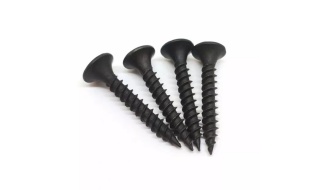
In inside walls where dampness plays a role but salt hits less, the Drywall screw gives a good mix. The dark phosphate cover forms a rough base that grips paint or filler well and adds basic rust guard. It suits fixing wall boards to thin metal or wood frames in current inside setups.
Electro-Galvanized Layer for Structural Concrete Fastening
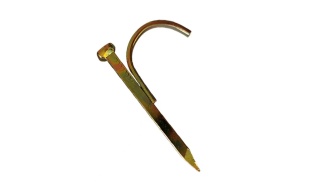
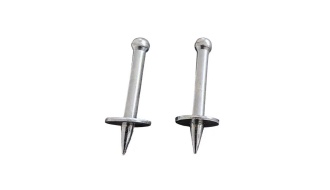
For frame fixing, zinc’s giving-up shield is vital. The 14 Gauge Concrete T nails—known as ST nails—use an electric zinc cover to block rust when set into firm stone. Made from 45# high-carbon steel, these nails get heat work for strength, so they stay straight as the zinc holds back dampness in the stone base.
Specialized Anti-Rust Coatings for High-Volume Framing
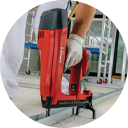
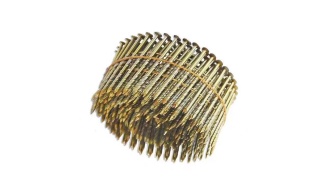
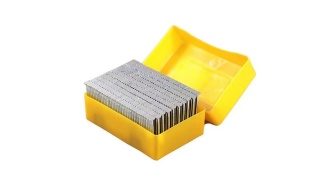
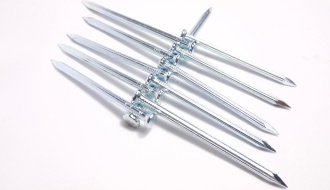
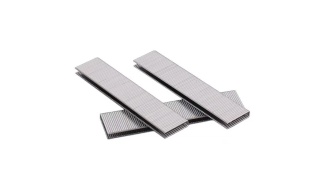
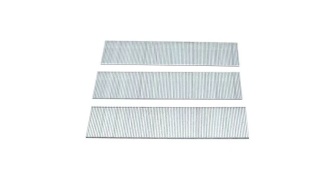
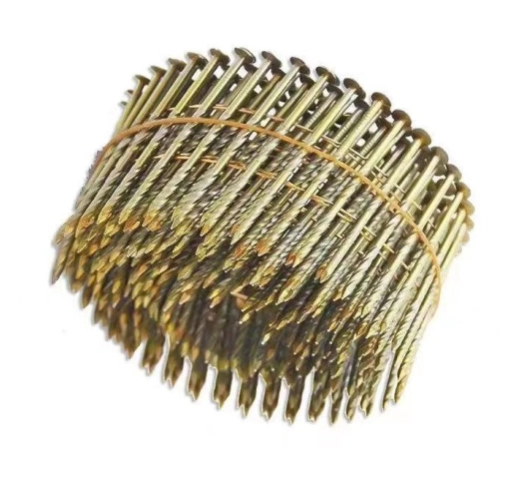
In quick building work, coil nails support frame and crate making. Since these often go in open or partly covered spots, they come with strong rust-block layers. Such covers keep the guard in place during fast air-tool fitting, holding up in damp sea storage or load areas.
How Does Heat Treatment Enhance the Efficacy of Protective Coatings?
A layer works best on a fitting base. Without right heat steps, even costly zinc can peel off when fitted.
Improved Surface Hardness Prevents Coating Scratches
If the fastener stays too soft, rubbing against wood or metal during drive strips the cover. Expert heat work toughens the outer steel, so it stands up to scrapes. Thus, the rust-block shield stays whole from packing to full placement in the base.
Optimized Molecular Structure Balances Toughness and Resistance
The cooling and softening steps go beyond stiffening the metal; they fine-tune the steel’s inner makeup. This setup makes the piece strong for tool strain without getting too crisp for the layer to hold under load. A bendable but firm inside is the key to durable Roofing Screws in tough weather.
Uniform Thermal Processing Ensures Consistent Finish Quality
When a large run of fasteners gets heat work, evenness counts. Steady thermal steps mean each screw takes the coating dip the same way. This avoids flaws in your build, so every join spot has equal salt spray guard.
What Are the Performance Advantages of Professional Fasteners in Harsh Climates?
In business buying, results need proof from tests. Claiming a item is sturdy isn’t enough; it must show hold under fake rough setups.
Superior Salt Spray Test Performance
The main measure for sea strength is the salt spray check. Top makers run their goods through long hours in strong salt water. So, when your Roofing Screws go up on a shore house or dock shed, they have faced worse than real weather can bring.
High Carbon Steel Strength for Penetrating Hard Substrates
Be it a stone nail or drill screw, the main stuff is key. 45# or 60# high-carbon steel lets the piece cut into thick bases without curving. Such power matters because a curved nail leaves an open spot in the cover or base, letting dampness in to start rust.
Precision Engineering for Leak-Proof Roofing Installations
The top and groove shape aid water control. A well-made cone top or six-side top with a rubber seal makes a tight water block. It stops pools around the hole, the spot where rust often starts. Pairing exact shapes with strong layers cuts off paths for salt and water.
How Can This Brand Support Your International Sourcing and Quality Requirements?
Field trust begins at the plant. For global jobs, you seek more than goods; you want a helper who knows shipping and rules worldwide.
Comprehensive Quality Control and Third-Party Inspection
From first wire pull to last pack, each part gets watch. You may call for checks from groups like SGS or BV to confirm strength, salt hold, and size fit your job needs. Such openness builds faith in world building trade.
Customized OEM Solutions and Flexible Packaging
Each area wants different things, like set box sizes for shops or large sacks for factory tasks. Tailor the label, layer depth, or metal mix to fit the weather in your target spot. This range helps match stock to certain sea zones.
Expert Technical Support and Efficient Global Logistics
Handling ship or plane loads gets tricky. Teaming with a skilled shipper keeps your fastener products safe from damp harm on the way. For advice on the right groove for a given stone pressure or aid in mixing a full load, skilled help is there to keep your work timely.
To talk about your job details or get a price for strong fasteners, please contact our team today.
FAQ
Q: Why do my fasteners rust faster within 5km of the coastline?
A: Heavy air salt speeds up the rust start. In such zones, pick Roofing Screws with special layers like thick zinc or clay-based covers to keep salt from the metal heart.
Q: Can I use interior-grade drywall screws for outdoor repairs if I paint over them?
A: It is not advised. Paint gives some shield, but inside screws miss the deep heat work and zinc base for outer strain. They rust from within over time, making paint flake and links break.
Q: What is the benefit of a fluted shank in coastal concrete work?
A: A grooved shank boosts the area for layer hold and gives better lock in the stone. This helps in damp spots where the base may soak a bit, keeping the nail firm if the stone shifts slightly with heat.

 Consult
 Whatsapp
 Leave Message
 top
top