


Related news
Direct Fastening System Selection for Concrete, Steel and Masonry Work
Direct fastening is a speed and substrate question at the same time. Buyers do not usually need a long theory lesson. They need to know which fixing type works on concrete, which one works on steel, and which one can hold up in masonry without creating avoidable failures. That is the real buying logic.
Qinjia supplies fastening products for construction and related jobs, including drive pins and concrete nails. Its product range is a useful reference for buyers who need a practical fastening path for site work rather than a one-size-fits-all answer.
What Is Direct Fastening Used For on Concrete, Steel, and Masonry?
Direct fastening is used when the job needs quick fixing into a hard base material. The main value is speed, but speed only helps when the fastener and the substrate are correctly matched.
Common Fixing Jobs
This method is often used for brackets, supports, light fixtures, rails, and other attachment work where the installer needs a fast and repeatable result. The connection still has to hold after installation, so the product choice cannot rely on speed alone.
Speed and Site Efficiency
Direct fastening saves time because it reduces extra drilling or extra hardware steps in the right application. On a busy jobsite, that can improve output and reduce labor time. The tradeoff is that the fastener must be chosen carefully for the actual material.
Where Direct Fastening Works Best
It works best when the substrate is known in advance and the tool is matched correctly. A concrete substrate, a steel substrate, and a masonry substrate do not behave the same way, so the fastener should not be treated as universal.
From the installer side, the difference is immediate. One base may accept the fastener cleanly, while another may cause bending, shallow seating, or surface cracking. That is why sample trials or small first orders are useful when the substrate is not fully known.
Which Fastener Type Fits Which Substrate?
Different substrates resist fasteners differently. That is why a buyer should start from the base material, not from the fastener name alone.
Concrete Use Cases
Concrete applications usually need products that can penetrate or anchor with stable holding power. Buyers should check concrete hardness, embedment depth, and the tool that will be used on site. If the wrong product is used, the fastener may bend, bounce, or fail to seat properly.
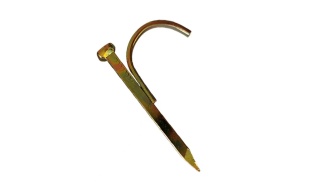
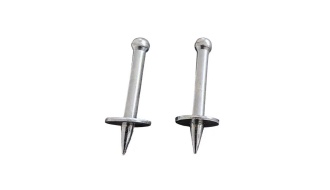
Gas Drive Pins are relevant when the job is built around direct fastening tools and repeat installation speed.
In solid concrete (standard C20/25 up to high-strength C40/50), direct fastening relies on premium ballistic-point gas drive pins manufactured from hardened carbon steel (53–58 HRC) with zinc galvanic coatings. Proper penetration requires an effective embedment depth between 18 mm and 25 mm. For structural steel substrates, pins require sufficient impact energy to displace and fuse within base steel plates ranging from 4 mm to 10 mm without fracturing.
Steel Use Cases
Steel fastening depends on thickness and penetration behavior. Thin steel and heavier steel require different holding logic. A product that works on one steel gauge may not work well on another.
Buyers should also check whether the job needs temporary positioning or a longer-term fixing point. The same steel surface can create different demands depending on load, vibration, and how often the installed part is handled.
Masonry Use Cases
Masonry can be more unpredictable because the surface and internal structure are not always uniform. Buyers should check whether the job is light fixing, repeat fixing, or a more demanding structural task. The choice should reflect the actual wall condition.
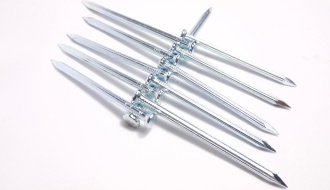
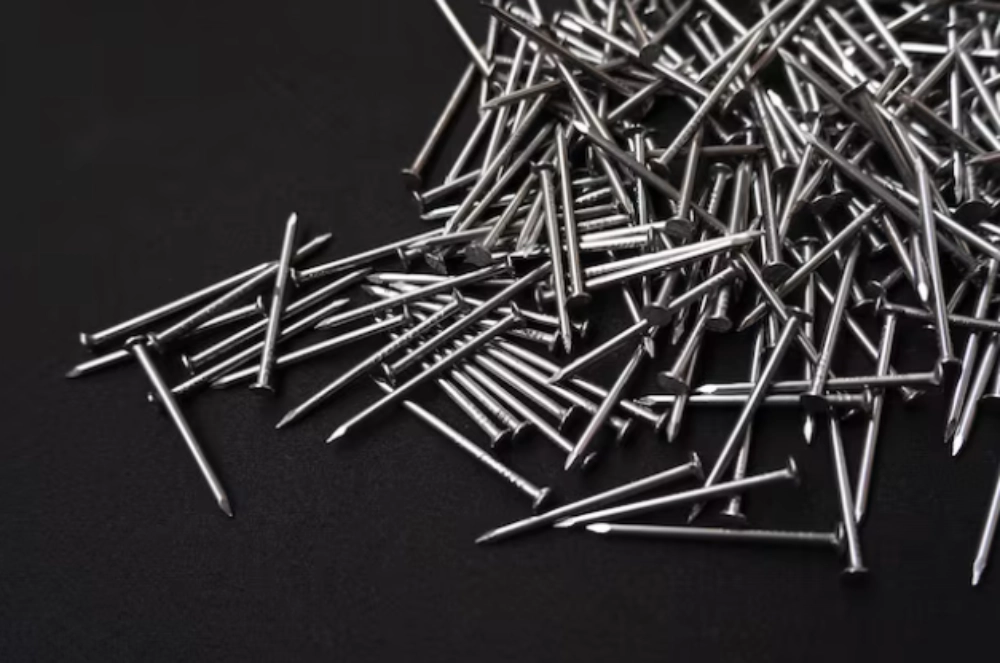
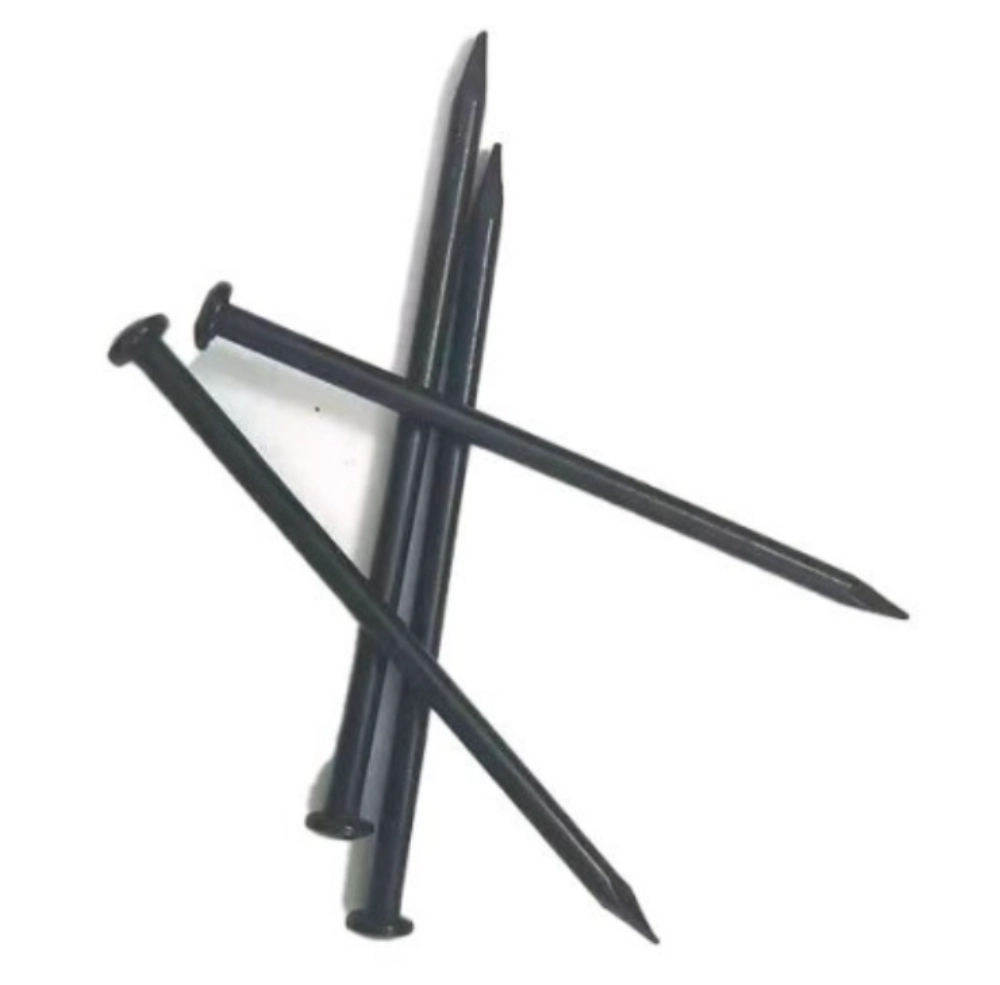
For simpler hard-surface fastening needs, Smooth Concrete Nails can be reviewed as a practical concrete-nail reference.
How Do Tool Compatibility and Jobsite Conditions Affect Selection?
The same fastener can behave differently depending on the tool, the condition of the base, and the rhythm of the job.
Nail Gun Match
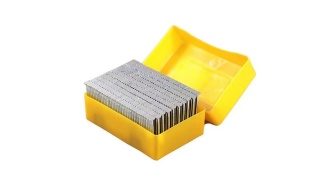
The fastener should fit the tool in use. If the fastening system and the tool are not matched, the job slows down and the installation quality becomes less predictable. Buyers should confirm tool type before placing bulk orders.
When a project combines direct fastening with anchor-based fixing, How Do Through Bolts Compare to Shield Anchors in Strength? gives a useful tension-versus-shear reference. It helps buyers avoid treating every hard-surface connection as the same job.
Workload and Duty Cycle
Higher volume jobs need more consistent feeding and more reliable repeat performance. Lower volume repair tasks may allow a different product choice, but the fastener still needs to match the substrate.
Moisture and Hardness Factors
Wet site conditions, harder concrete, or tougher masonry surfaces can change how the fastener performs. A product that works well in one environment may be less stable in another.
What Should Buyers Confirm Before Bulk Purchase?
Bulk buyers should think about repeatability, packing, and spec control before they think about unit price.
A low price does not help much if the jobsite receives mixed lengths, unclear cartons, or a coating that does not match the environment. Bulk orders should read like a working site document: fastener type, tool match, substrate, size, coating, packing, and reorder code should all be clear.
Size and Coating
Length, diameter, and coating all matter. The coating should suit the exposure environment, and the size should suit the substrate thickness and holding need.
Installation Speed
A fastener that installs quickly only helps when it still holds correctly. Buyers should check whether the product supports the installation speed the jobsite expects.
Reorder Consistency
Repeat orders are easier when the spec is stable. Buyers should confirm that the size and product type can be supplied consistently across batches.
What Mistakes Do Buyers Make in Direct Fastening Orders?
The biggest problems usually happen when the buyer selects by appearance or price without checking the working setup. These mistakes are easy to miss because a direct fastening product can look simple from the outside.
Wrong Tool Match
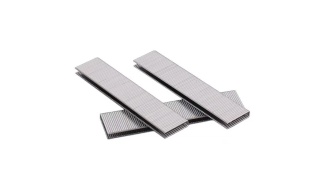
The wrong feed style can create jams or uneven driving. Buyers should make the tool model part of the order spec instead of treating it as a side note. If the job uses more than one fastening tool, the order should separate each tool group instead of forcing one nail format across all crews.
Overlooking Site Conditions
Humidity, dust, or harder material can change how the nail performs. A nail that looks fine in the catalog may not be the best option for the site the buyer actually has. For example, a renovation contractor working on old masonry may need more trial checks than a team fixing into known concrete panels.
Missing Reorder Discipline
If the spec is not written clearly, reorder time becomes a guessing game. Buyers should keep a clean record of gauge, length, coating, tool fit, packaging, and nail format so later purchases stay consistent. Project teams that need size checks, packing notes, or shipment timing can send those details through the Qinjia contact page before locking the next purchase.
Conclusion
Direct fastening works best when the buyer starts from the substrate and the tool, not from a broad product label. Qinjia’s drive pins and concrete nails fit practical jobsite fixing needs where speed and reliable holding both matter. The safest buying approach is to match the fastener to the wall, the tool, and the project rhythm.
FAQ
Is direct fastening always faster than drilling and anchoring?
Not always, but it is usually faster in the right application because it reduces steps and keeps the job moving.
Can one fastener work on concrete, steel, and masonry?
Not reliably. The substrate changes the holding behavior, so the fastener should match the base material.
What should buyers confirm before ordering?
They should confirm substrate type, tool compatibility, size, coating, and the expected jobsite duty cycle.

 Consult
 Whatsapp
 Leave Message
 top
top