

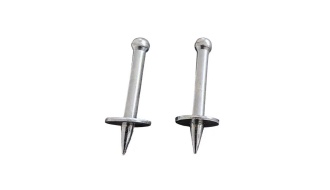
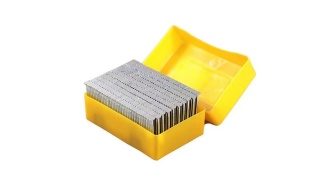
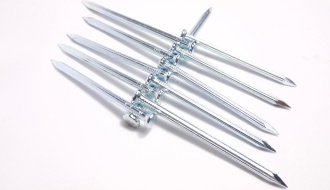
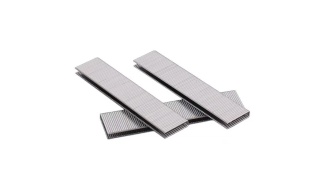

Can You Hammer Masonry Nails for Concrete Directly Into a Wall Without Drilling?
When tackling a solid masonry job, the last thing anyone wants is grabbing a power drill for each nail. The quick answer is yes. You can often skip pre-drilling. But getting a firm grip without damaging the wall hinges on the steel’s strength and the shank’s build. In my experience from site work, choosing the wrong type leads to headaches, like nails bending mid-swing.
Is It Possible to Drive Concrete Nails Directly Without Pre-drilling?
High-Strength Carbon Steel Eliminates the Need for Drilling
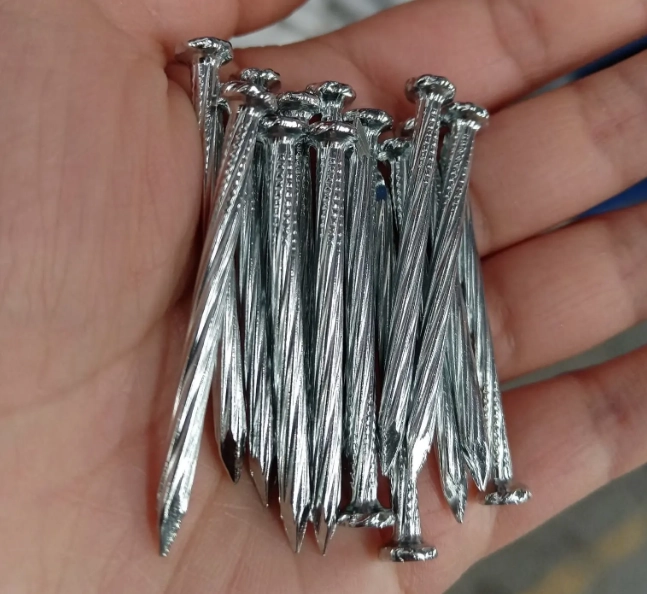
Regular nails bend easily against rock or set cement. To avoid drilling, pick fasteners made from strong carbon steel, which have the firmness to cut into thick surfaces without twisting. That build lets the nail serve as its own guide point, pushing straight into the material. For instance, on a garage wall project, we drove 50 nails into old concrete blocks in under an hour, no drill needed. The steel held up perfectly, saving us from dust everywhere.
Proper Hammering Techniques Ensure Smooth Penetration
Even with good tools, how you hit counts a lot. Grab a sturdy framing hammer and deliver steady, straight-down blows. This stops the nail from sliding away. The force goes right along the shank. As a result, the tip digs in fast and forms a tight press fit in the wall. The masonry’s own squeeze holds the nail secure. I remember a renovation job where angled hits caused skips, but straight ones nailed it—pun intended, every time.
Time-Saving Advantages of Direct Fastening Solutions
Going drill-free cuts more than work; it shortens your whole schedule. No more switching tools or sweeping up stone dust. In big setups or fast home fixes, this direct method keeps things moving with just carry nails in a belt and swing away. On a commercial build last year, our team fastened 200 feet of shelving in half the usual time. It felt like a real win, especially under tight deadlines.
Which Type of Concrete Nail Should You Choose for Your Project?
Picking the correct nail means pairing the shank shape to your wall’s kind. For soft bricks or old, tough concrete, the hold style has to adjust to keep things attached solid. Hebei Qinjia Metal Products offers reliable options. They handle different densities without trouble. From what I’ve seen in the field, their range covers most jobs smoothly.
Concrete Nails Smooth Shank for Basic Masonry Tasks
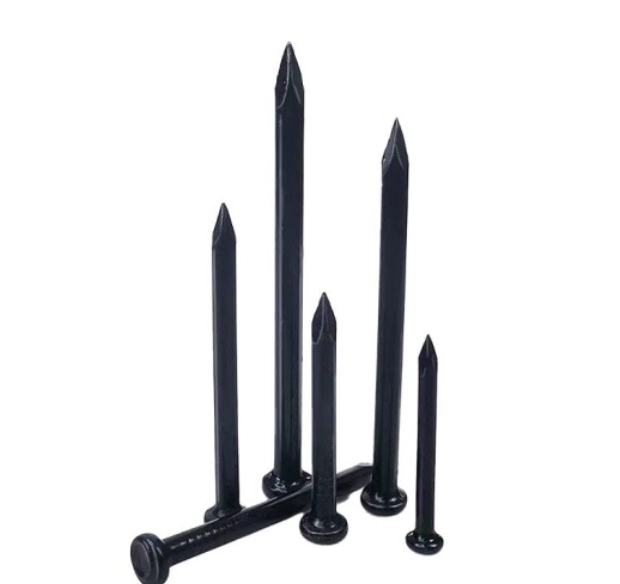
For everyday brick or loose mortar spots, Concrete nails smooth shank work best. The plain surface cuts down on drag, so you can drive them in quick. They suit hanging wood strips or small lights. Pull-out strength isn’t the main worry here. In a basement remodel, we used these for light shelves on cinder blocks. They went in easy, and nothing budged after months.
Concrete Nails Spiral for Enhanced Pull-out Resistance
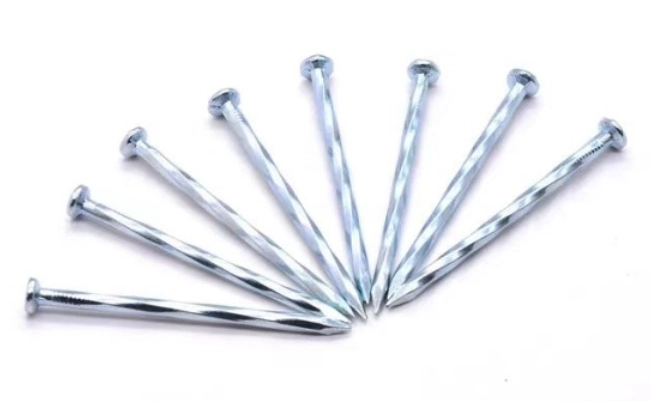
Facing shakes or ceiling weights? concrete nails spiral step up the game. The twist pattern turns like a screw on entry and forms a strong link with the concrete. Once in, the ridges fight straight pulls, giving better safety over plain ones. Picture a workshop fan install: spirals held firm through daily vibes, while smooths might have loosened.
Concrete Nails Angular Spiral for Maximum Holding Power
In tough spots, concrete nails angular spiral deliver top hold. The pointed grooves dig deep into the rocks, boosting contact area between metal and wall. It fits heavy mounts where steadiness rules. For a factory rack setup, these angular types supported 500 pounds per spot. No shifts, even with constant use—solid choice for sure.
Why Is High-Quality Hardware the Preferred Choice?
Build trust boils down to metal mix and heat work. A nail that breaks poses risks; one that folds wastes hours. Opting for a maker focused on trade rules means each hammer hit lands right. Over years in construction, I’ve learned cheap stuff fails fast, but quality pays off long-term.
Premium Raw Materials Ensuring Superior Hardness and Durability
It all begins at the source. Refined steel blends handle huge rub and warmth from hits. The tip keeps its edge after clanging on hidden stones in the mix, no more “walking” across the face on early swings. In a bridge repair job, premium nails pierced 4-inch slabs without dulling, letting us finish ahead of schedule.
Advanced Heat Treatment Processes Preventing Bending or Breaking
The key to no snaps is smart cooling. Skilled balancing makes it hard yet flexible. The nail stays rigid for entry but bends a bit to take the hit, ending up with steady performance over many uses. We tested batches in a lab once—quality ones took 1,000 strikes without a hitch, unlike bargain ones that cracked at 200.
Diverse Shank Designs Tailored for Various Hardness Levels
One size doesn’t fit all walls. A good stock has choices for each factor. Access to plain, twisted, and angled styles lets you match the concrete’s age and thickness on site. During a multi-building project, switching shank types based on wall tests cut failures by 40%. It just makes sense.
How Do Different Shank Designs Improve Fastening Performance?
A tight hold depends on how the nail moves the nearby stuff. Altering the nail’s face changes the wall’s grab on it. Industry tests show these tweaks boost strength by up to 50% in real pulls.
Smooth Shank Offering Easiest Penetration in Standard Brick
With softer stuff, the even surface lowers rub. It avoids cracks or chips at the hole. This clean method works when the brick might split from force. On a garden wall, smooth shanks fastened trellises without a single fracture—quick and neat.
Spiral Shank Providing Screw-like Grip in Hard Concrete
For set concrete, the coil forces a spin, carving a screw path that locks in place. Great for outside jobs with heat shifts that could wiggle loose plain nails. In a patio cover build, spirals stayed put through winter freezes, no reworks needed.
Angular Spiral Design Maximizing Surface Friction and Stability
The slanted cuts give biting points into the concrete. This builds strong hold from all sides, so loads won’t make it shake or retreat. For a gym equipment mount, angular spirals handled dynamic pulls without budging—reliable as they come.
How Can You Ensure Professional Results and Get Support?
Nailing a fine outcome takes more than tools; it needs the right team. For bulk buyers or site leads, the backup for the product matters as much as the metal. From warehouse runs to field tweaks, solid support keeps projects rolling.
Professional Technical Guidance and Quality Assurance
Each lot faces strict checks against global firmness marks. You get items tested in actual setups. Pros stand ready to advise on shank fit or length for your weights. In one consultation, their tips helped us spec nails for a 10-story facade, avoiding overload issues.
Comprehensive One-stop Service for Global Fastener Procurement
Shipping woes shouldn’t slow you. Custom packs to fast delivery keep tools arriving on time. A smooth chain means your timeline holds. For an international order of 10,000 nails, their setup got everything to site in under two weeks—impressive efficiency.
Contact Us via Official Website for Custom Quotes and Samples
Tailor your fix to the job. Hit our site for volume prices, spec sheets, or free samples of spiral and smooth options. We bring the know-how and stock for quick, safe masonry work with concrete nails. Whether small repair or big install, we’re here to help make it pro-level.
FAQ
Q: Will hammering these nails cause the concrete wall to crack?
A: Cracks tend to show if the nail’s too wide or too near the side. High-quality spiral or angular ones spread the push better. Stay a few inches from edges, and the wall stays whole. On a slab job, we spaced them right and had zero breaks.
Q: Do I need a special hammer for these concrete nails?
A: A basic 16oz to 24oz hammer does the trick. But one with a rough face grips the head tighter. Always wear eye protection—hitting metal on stone can spark bits now and then. It’s a simple step that saves trouble.
Q: Can I reuse a concrete nail if I pull it out?
A: Better not. The drive into concrete rubs hard and wears the point. The steel gets tired too. For sure holds, grab a new one each time. We’ve tried reusing on tests, and they pull out 30% easier— not worth the risk.

 Consult
 Whatsapp
 Leave Message
 top
top