

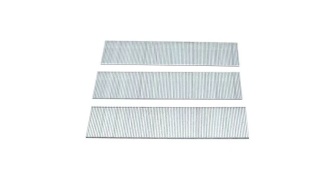

Collated vs Non-Collated Drywall Screws: Which is Best for Your Project
When you step onto a job site, you likely notice boxes of loose screws spread around and strips of plastic-belted fasteners placed in the corner. It is one of those minor choices that truly affects how your entire day unfolds. Whether you serve as a distributor stocking up for contractors or a project manager aiming to meet a deadline, understanding if you should select collated or non-collated screws matters greatly. At Timelessfastener, also known as Hebei Qinjia Metal Products, we have dedicated years in the center of Hebei producing these vital pieces of hardware for markets ranging from the USA to Southeast Asia. We observe how the proper selection keeps a project progressing smoothly instead of halting in difficulties.
What Defines the Core Differences Between Drywall and Chipboard Screws?
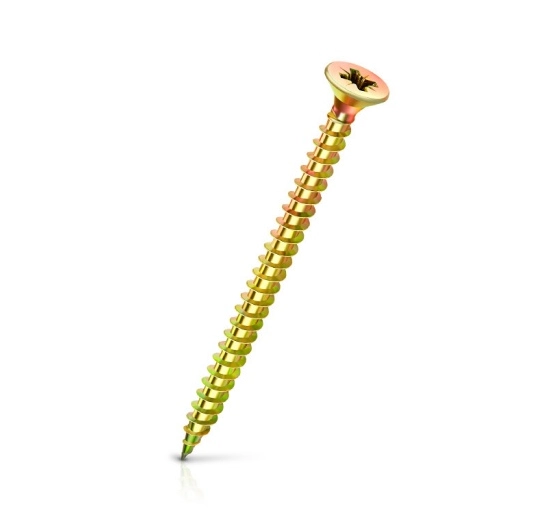
Before diving into the “belted vs. loose” discussion, we must examine what these screws are designed to achieve. Many individuals confuse drywall and chipboard screws since they appear alike on the shelf, yet they are constructed for entirely distinct materials. If you apply a drywall screw to a sturdy piece of furniture or a chipboard screw in a ceiling grid, you will encounter serious issues.
You should recognize how the physical structure of these fasteners varies depending on the material they secure. It goes beyond just the length; it involves the head shape and the way the metal is processed during manufacturing.
Unique Head and Thread Geometry
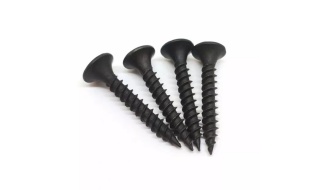
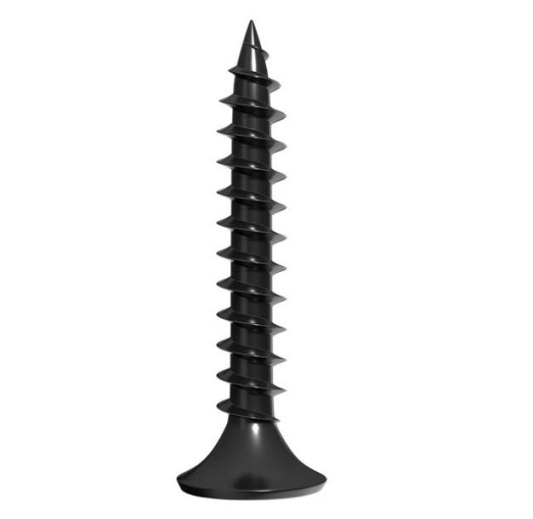
Drywall screws feature that familiar bugle head, which allows them to rest flush against the gypsum board without damaging the paper surface excessively. You can obtain them with coarse threads for wood studs, or fine threads if you are fastening into light steel frames. Chipboard screws, by contrast, typically include a countersunk head and a varied thread pitch that enables them to grip particle board and MDF firmly without causing the wood to split.
Specific Material Substrates and Applications
Our drywall screws at Qinjia serve as the preferred option for interior partition walls and ceiling systems, where you require a dependable hold in gypsum. Chipboard screws suit the furniture sector better, such as when you assemble cabinets or work with softwoods. Selecting the appropriate one ensures the screw remains secure, and the material does not fracture under stress.
Finish Options for Surface Protection
No one desires to spot rust marks seeping through a newly painted wall, so we invest considerable effort in the coating. Drywall screws generally arrive with a black phosphate finish or zinc plating to maintain their cleanliness. For chipboard screws, you frequently encounter yellow zinc or bright zinc, since they may be applied in furniture exposed somewhat more to the atmosphere.
Why Should Professionals Choose Collated Over Non-Collated Screws?
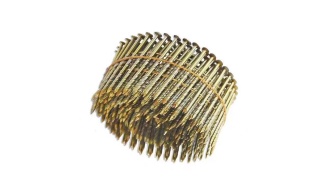
If you are merely repairing one loose board at home, a small handful of loose screws works adequately. But when you face a commercial building covering thousands of square feet of drywall, handling it manually becomes a real ordeal. This is precisely where collated screws prove valuable—they consist of those held together by a plastic strip that feeds into an auto-feed screw gun.
Switching to collated systems requires some initial investment in equipment, but the benefits on the job site become evident once you witness them operating. It alters the flow of the work and prevents the crew from slowing down due to repetitive actions.
Massive Boost in Installation Speed
The primary reason people adopt this approach is the remarkable increase in working pace. With a collated screw gun, you simply pull the trigger to drive the screw, and the next one positions itself immediately for use. You avoid reaching into a pouch, searching for a screw, and aligning it with the bit each time, which can genuinely reduce your installation time by half or more. The global collated screws market was estimated at USD 535.0 million in 2024, with collated drywall screws holding the largest share (38.3% of revenue in the collated screws category), driven by faster installation in drywall applications.
Less Physical Strain and Hand Fatigue
Handling tiny screws throughout the day strains the hands considerably, particularly in chilly conditions or during overhead ceiling tasks. Because the collated gun manages the loading automatically, the installer maintains a consistent rhythm without the ongoing “pick-and-place” motions. As a result, the team feels less exhausted at the shift’s end, and they are less prone to errors stemming from weariness.
Better Job Site Organization and Less Waste
Loose screws create disorder; they often end up at the bottom of toolboxes, in the soil, or underfoot from boots. When screws form a strip, you utilize every one you purchased, and there is no need to clear away dropped fasteners at day’s close. This practice keeps the workspace tidier and assists in monitoring precisely how much material remains for the job.
How Does Qinjia Keep Quality Consistent Across Every Batch?
When purchasing in large quantities for a major project, you must be certain that the ten-thousandth screw performs as effectively as the initial one. In our facility in Hebei, we do not simply rely on chance for their reliability; we implement a rigorous system to ensure they withstand actual construction demands. We have witnessed the consequences of inferior screws breaking their heads under torque, and the outcome is far from satisfactory.
Quality originates from the raw materials and the heat treatment method we employ to achieve the ideal hardness. We confirm that our fasteners endure the velocity of a power tool without malfunctioning.
Tough In-House Quality Control Testing
We maintain an on-site lab equipped with tools such as thread speed testers and portable torque meters to evaluate every batch thoroughly. Additionally, we conduct salt spray tests and verify dimensions to align with the standards our customers anticipate. If a batch fails to satisfy the hardness or finish criteria, it stays on the factory floor and does not proceed.
High-Grade Carbon Steel and Heat Treatment
We utilize premium 45# carbon steel for many of our robust fasteners, including our ST nails and concrete pins, and we apply the same attention to our screws. The heat treatment serves as the key element—it renders the metal sufficiently hard to penetrate steel or wood, yet resilient enough to avoid shattering under force.
Third-Party Inspection and Documentation Standards
We understand that for numerous engineering clients, our assurance alone does not suffice, and we fully acknowledge that perspective. We collaborate with third-party inspectors like SGS or BV to verify our efforts and supply material certificates along with test reports. This openness explains why we maintain enduring partnerships in markets such as the USA and Australia, where clients rely on us for their orders.
Which Scenarios Are Best for Specific Fastener Types?
Choosing the correct fastener involves aligning the tool precisely with the task at hand. You would not employ a sledgehammer to mount a picture frame, nor should you use a basic wood screw for a demanding concrete application. We consistently advise our clients to assess the substrate—the material you are drilling into—prior to finalizing an order.
The construction industry has evolved significantly, and specialized solutions now exist for nearly every type of connection. Recognizing when to opt for a screw versus advancing to a gas-actuated nail can lead to substantial cost savings.
Interior Partition and Ceiling Systems
For typical indoor walls, our drywall screws stand out as the top choice. If you are securing into light steel studs, ensure you choose the fine thread variant so the screw can create its own hole with ease. For extensive ceiling projects, this represents the ideal opportunity to employ collated screws, thereby sparing your shoulders and neck from the demands of overhead labor.
Furniture Making and Cabinetry Work
When constructing cabinets or handling particle board, opt for the chipboard screws consistently. They are engineered to remain firm in those engineered wood products without enlarging the hole undesirably. Moreover, they embed neatly and flush, which enhances the professional appearance of the completed furniture piece.
High-Efficiency Steel and Concrete Fixing
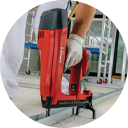
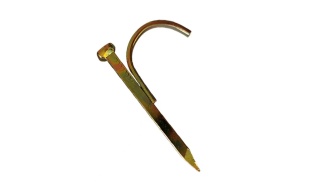
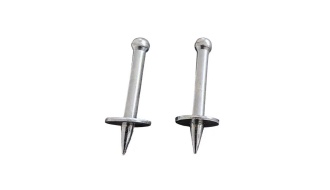
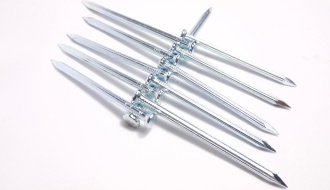
At times, a screw simply lacks the necessary speed, especially if you are affixing wood or steel directly to concrete walls. In such situations, we typically suggest our ST nails or Gas drive pins. These fasteners are propelled by pneumatic or gas-powered guns and can embed into hard surfaces rapidly, making them suitable for foundational structural tasks.
What Makes Qinjia a Reliable Global Partner?
Ultimately, a screw remains merely a screw unless you cannot obtain it precisely when required. As a B2B manufacturer, we emphasize the complete experience, from the initial quote through to the container’s arrival at your warehouse. We have established our standing by serving as a dependable component in the supply chain for distributors worldwide.
We go beyond merely offering catalog items; we partner with clients to ensure they receive precisely what their particular market demands.
Strong OEM and Customization Capability
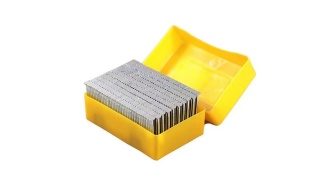
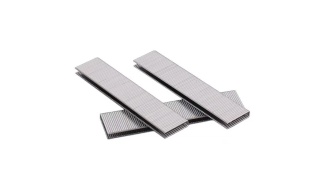
Each market possesses unique characteristics, so we provide comprehensive OEM and ODM services. If you require a particular box style, a specific shade of zinc coating, or even custom head markings, we can accommodate those needs. We also manage mixed-container shipments if you wish to combine drywall screws, concrete nails, and staples in one load.
Transparent Order and Logistics Management
Our procedure remains quite direct: we provide a quote, dispatch samples for your approval, commence production, and perform a final quality inspection before dispatch. We offer flexibility in shipping as well—we can utilize your chosen forwarder or propose one of ours to deliver the goods to your port via sea or air.
Responsive After-Sales and Technical Support
Should any issue arise with an order, we do not vanish. We maintain a policy to replace or reship items in cases of quality concerns, supported by photos and videos from the site. Furthermore, we deliver technical advice on compatibility, enabling you to inform your customers accurately about which tools pair with specific screws.
FAQ
Q1: Can I use your drywall screws for outdoor decking projects?
A: Actually, we wouldn’t recommend it. Standard black phosphate or zinc-plated drywall screws aren’t really built for the rain and sun; they are meant for interior work. For outdoors, you really want something with a much higher corrosion resistance, like stainless steel or a heavy-duty specialized coating.
Q2: Are Qinjia’s collated screws compatible with all major screw gun brands?
A: Yes, our collated strips are designed to work with the most common auto-feed systems on the market. We follow industry-standard dimensions for the plastic belts so they feed smoothly without jamming up your equipment.
Q3: What is the main difference between your ST nails and regular concrete nails?
A: The big thing is how you install them. Regular concrete nails are usually hammered in by hand. ST nails are much thicker and tougher—made of 45# steel—and you have to use a pneumatic nail gun to drive them into concrete or light steel studs. It is all about speed and structural strength.

 Consult
 Whatsapp
 Leave Message
 top
top