


Related news

How to Choose Direct Fastening Pins and Nails for Concrete and Masonry Work
Choose concrete nails and direct fastening pins by the base material, attached fixture and approved installation method. A hardened nail, a tool-driven pin and a masonry anchor are not interchangeable. Qinjia lists drive pins and concrete nails; buyers should match the exact product to the substrate and tool documentation before ordering. These construction fixings should not be treated as automotive assembly components.
Identify the Base Material and Fixing Task
Record whether the fixing enters concrete, solid masonry, hollow masonry or another base. State the fixture thickness, loading direction, exposure and consequence of failure. Use only a fixing system approved for that combination.
Concrete, Solid Brick and Hollow Masonry
Concrete strength, aggregate, age and condition can affect penetration and holding performance. Solid brick is different from concrete, and hollow block can leave a pin unsupported in a void. Do not assume a fastener described as suitable for hard material is approved for every masonry unit.
Weak, cracked, damaged or thin material needs special consideration. Where the fixing system does not cover the substrate, select an appropriate rated anchor or another approved attachment method. A successful single trial does not establish a design load.
Fixture Thickness and Installation Access
Measure the material being attached and any approved intervening layers. Check whether the tool can seat squarely against the fixing point and whether its safety contact can operate as intended. Obstructed or angled access may require a different fixing method.
Locate concealed services before work begins. Check the available base thickness and the risk of penetration or spalling on the reverse side. Keep required edge distances and fastener spacing from the system documentation; do not substitute a generic distance.
Loads, Exposure and Consequences of Failure
Distinguish temporary positioning from a permanent load-bearing connection. The required resistance depends on load direction, fixture geometry and service conditions. Overhead, safety-critical and structural attachments require an approved design and appropriate installation controls.
Identify whether the fixing is indoors in dry conditions or exposed to moisture, chemicals or weather. Confirm the fastener’s corrosion protection and compatibility with the attached material. A finish color is not a corrosion-performance specification.
Match the Fastener to Its Installation Method
Obtain the fastener drawing and the manufacturer’s compatibility information. Pin diameter, head, guide components and overall geometry must match the tool system where a powered method is used.
DN Drive Pins and Compatible Tools
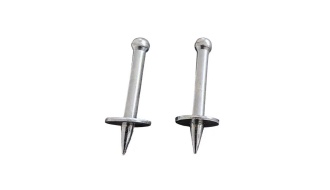
Qinjia’s DN Drive Pins are a starting point for a direct-fastening inquiry, not proof of compatibility with every tool. Confirm the exact pin variant, tool model, permitted substrate and operating instructions. Do not load a pin into a tool solely because its length or appearance resembles an approved consumable.
Smooth-Shank Concrete Nails
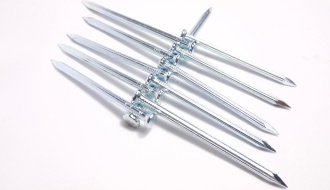
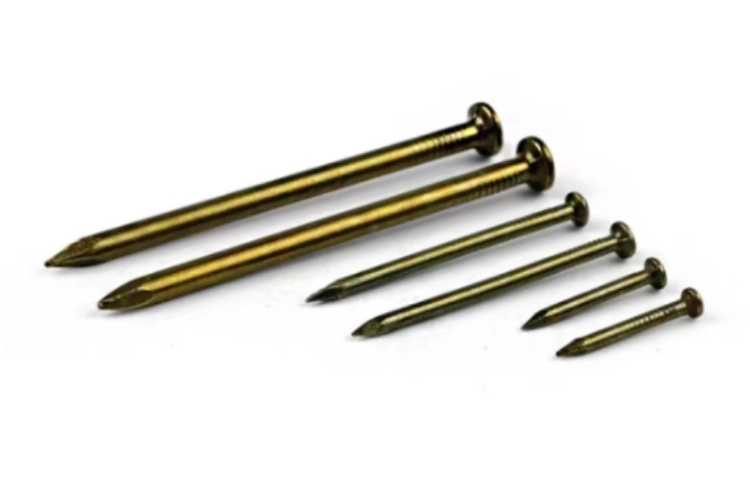
Concrete Nails Smooth Shank should be evaluated for the concrete or masonry task and installation method specified by the manufacturer. Confirm the nail dimensions, material and finish. A concrete nail is not automatically a powered-tool consumable, and its product name does not establish suitability for hollow block or damaged masonry.
Length, Shank and Required Penetration
Select length from the fixture thickness and the embedment required by the approved fixing system, accounting for the pin or nail geometry. A longer fastener does not always improve the connection: it may bend, fail to penetrate or damage the base.
Confirm shank diameter, head bearing area and any specified washer or guide. Do not mix accessories from another system without approval. Record the required installed condition, including acceptable head position and penetration, for inspection.
Verify Installation on the Actual Substrate
Trial work should use the approved fastener and tool configuration on representative material. Follow the manufacturer’s procedure and have a competent person assess the results before repetitive installation.
Tool Settings and Substrate Resistance
For a powered system, use only the power source and adjustment method permitted by its instructions. Do not increase energy simply to force an unsuitable fastener into the base. Overdriving, bent pins, surface breakout or incomplete seating are reasons to stop and investigate.
Review fastener selection, substrate condition, fixture thickness and tool condition together. If the system cannot achieve its specified installed condition consistently, change to an approved alternative instead of accepting variable results.
Operator Control and Repeatability
Operators need training for the specific tool and required protective equipment, including eye and hearing protection as applicable. Follow exclusion-zone, handling and misfire procedures. Never defeat a safety contact or improvise a driving method.
Inspect trial fixings for seating, damaged fixtures, cracked base material and bent or broken fasteners. Record the tool model, consumable batch, substrate and settings. Repeat the review when the base material or approved configuration changes.
Tool Condition and Consumable Storage
Maintain the tool using its specified service procedure. Check wear parts and compatibility labels, and remove damaged equipment from service. A worn guide or driving component can make an otherwise correct fastener install poorly.
Store pins and nails dry, separated by size and product code. Keep powered-system consumables in their designated storage and follow applicable transport and handling rules. Do not mix unidentified loose fixings into approved stock.
Build a Traceable Construction Fastener Order
Separate fasteners by application, substrate and installation system. An order should identify the approved product code and supporting specification rather than simply requesting ‘concrete pins’ or ‘masonry nails’.
Acceptance Criteria and Load Evidence
Use the fixing system’s technical data and the project design to establish acceptance. Do not convert a catalog description or nominal nail size into an allowable working load. Different bases and edge conditions can change connection behavior.
Where site pull-out or proof testing is specified, agree the test method, sample locations, equipment, acceptance criteria and responsible reviewer. Such tests supplement the approved design and product data; they do not by themselves approve an unsupported application.
Related Guidance and Final Compatibility Checks
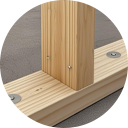
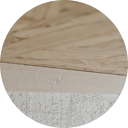
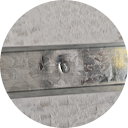
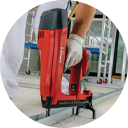
The guidance on choosing nail gun fixings for wood, brick and plaster provides further context for construction tasks. Confirm each recommendation against the actual tool and substrate. General guidance does not override a tool manufacturer’s approved fastener list or a project’s fixing design.
Special Dimensions and Supply Requirements
For a nonstandard request, provide the drawing, material, finish, quantity and intended installation system. Ask Qinjia to confirm whether the requested specification is available. Manufacturing a requested dimension does not establish tool compatibility or load approval.
Approve samples and required inspection records before bulk supply. Keep the agreed dimensions, finish, packaging identification and any permitted deviations with the order. Mark variants clearly so site teams cannot confuse them.
Conclusion
Concrete and masonry fastening depends on a compatible combination of base material, fastener and installation method. Compare DN drive pins and smooth-shank concrete nails within their confirmed application limits. Verify trial installation, exposure and required load evidence before approving the quantity.
Contact Qinjia
Use Qinjia’s contact page to provide the substrate, fixture thickness, tool model, proposed fastener dimensions, exposure and required quantity. Include the relevant drawing or fixing specification so the inquiry concerns a defined construction task.
FAQ
Can the Same Pin Be Used in Concrete and Hollow Brick?
Not by assumption. Use only applications covered by the fixing system’s documentation. Hollow masonry may need a different approved anchor because a driven pin can enter a void or damage the unit.
Can Ordinary Concrete Nails Be Loaded Into a Direct Fastening Tool?
Only when the tool manufacturer explicitly approves that exact fastener. Similar length or diameter is insufficient; head shape, guide features and other dimensions also affect compatibility and safe operation.
How Is Fastener Length Selected?
Use the fixture thickness and the embedment specified for the approved fastener, substrate and installation system. Check base thickness and concealed services. Do not choose extra length as a substitute for verified holding-performance data.

 Consult
 Whatsapp
 Leave Message
 top
top