



Related news
Choosing Collated Nails by Tool Type and Jobsite Use
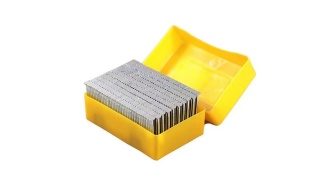
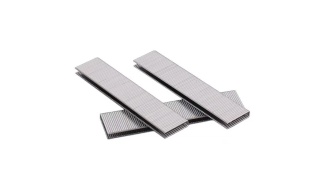
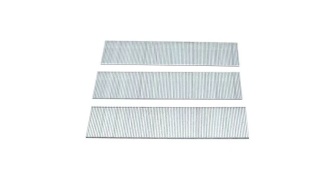
Collated nails are not just a packaging format. They are part of the tool system, and that is why the buyer should choose them by tool type and jobsite use rather than by appearance alone. A good match supports speed, feeding consistency, and a cleaner workflow on site.
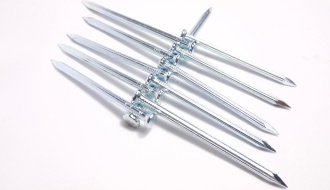
Qinjia offers coil nails, drive pins, and concrete nail options that fit practical fastening work. That makes it a useful supplier reference for buyers who need jobsite-ready nail choices rather than a broad product description.
How Do Collated Nails Differ by Tool and Task?
The main difference is how the nail feeds and what tool uses it. Once the feeding format is wrong, the job becomes slower and the risk of jams or misfires rises.
Coil Format and Feeding
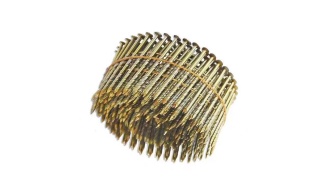
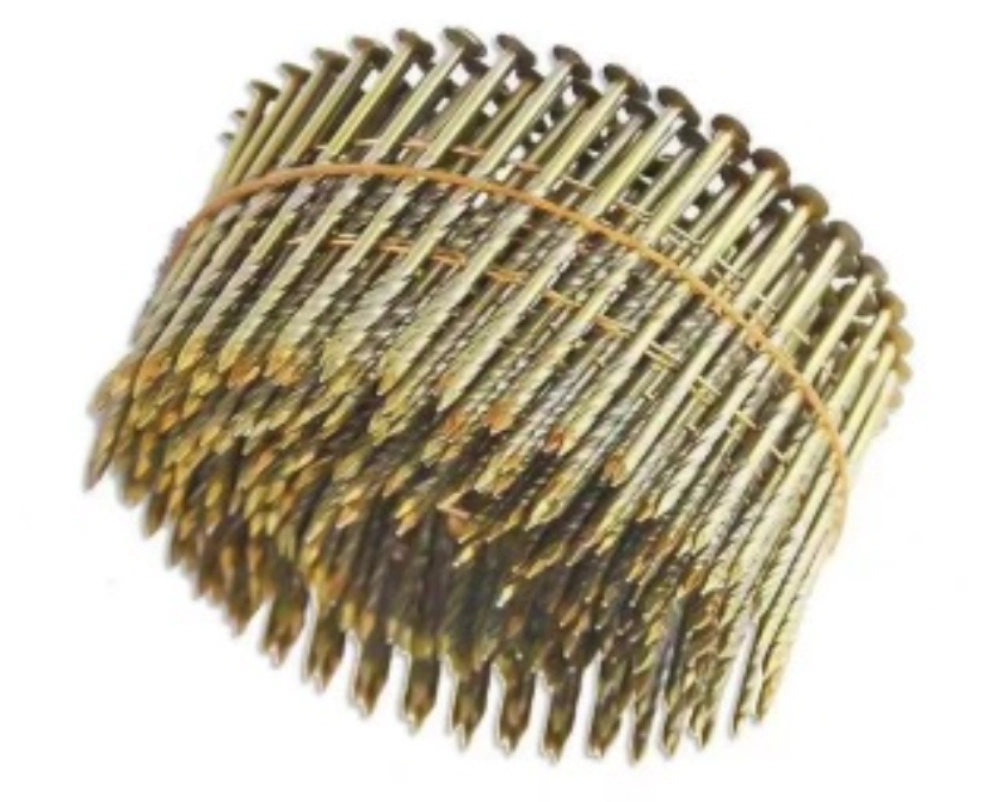
Coil nails are fed in a wrapped format that helps support higher-volume work. The format matters because it affects how long the tool can run before reloading and how stable the feed stays during use.
Installers notice feed problems quickly because they break the rhythm of the work. A crew that stops every few minutes to clear a jam loses the main advantage of collated fastening. For wholesalers, that means tool-fit complaints can become product complaints even when the nail itself is made correctly.
Coil Nails should be considered when the buyer values feed efficiency and repeated fastening on the same job type.
Collated nail formats are defined by tool magazine collation angle and shank profile. High-volume pallet and framing operations rely heavily on 15° wire-collated coil nails (diameters from 2.1 mm to 3.3 mm / 0.083″ to 0.131″), ensuring smooth feeding of 200–300 nails per coil. In contrast, framing stick nails typically utilize 21° plastic-collated or 34° paper-tape collation with smooth, ring, or screw shanks matched to specific pneumatic feed mechanisms.
Nail Gun Compatibility
The nail should match the tool spec. A tool mismatch can cause feeding problems, inconsistent drive depth, or poor site efficiency. Buyers should check the tool model before they decide on the nail type.
Task-Specific Use Cases
Different jobs need different nail behavior. Framing, pallet work, concrete fixing, and light construction tasks do not all need the same nail style. The collated format should support the actual job, not just the bulk purchase volume.
For a broader installation check, How to Install Fasteners Without Damaging the Substrate explains why tool choice, substrate condition, and installation pressure should be reviewed together before a nail format is approved.
When Do Coil Nails Make More Sense?
Coil nails make more sense when the buyer needs throughput and a steadier feed rhythm. They are useful in jobs where the tool stays active for long periods.
High-Volume Work
On high-volume jobs, fewer reload interruptions save time. That is one of the main reasons buyers choose collated formats for production-like site work.
Refill Efficiency
Refill efficiency matters when labor cost is part of the buying logic. A nail format that supports longer tool runs can help keep the job moving.
Application Consistency
The format should still match the application. A high-volume format is not useful if it is paired with the wrong substrate or the wrong tool.
What Do Buyers Often Miss When Stocking Collated Nails?
Stocking buyers often focus on the visible nail size and forget the operational details that make the product easy or hard to use.
Tool Side Compatibility
A nail that looks similar may still behave differently in another tool. Buyers should keep the intended gun model and feed type in mind before ordering a large batch.
Packaging and Reorder Flow
Package size, carton labeling, and batch consistency matter in distribution. A neat spec sheet is not enough if the stock is difficult to sort or reorder later.
Jobsite Consumption Pattern
The same nail can move quickly on one site and sit unused on another. Buyers should choose the collated format that matches the expected consumption rate, not only the bulk discount.
How Do Jobsite Conditions Change the Choice?
Jobsite conditions can be harder than the product catalog suggests. Heat, dust, substrate hardness, and access space all affect how the nail performs.
Hard Substrate or Soft Substrate
Hard substrate work may need more careful nail choice and better tool control. Softer substrate work may prioritize feed speed and repeated consistency. The buyer should not assume the same nail works equally well in both.
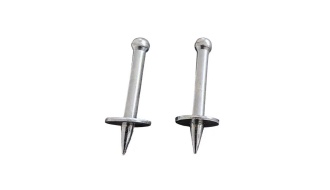
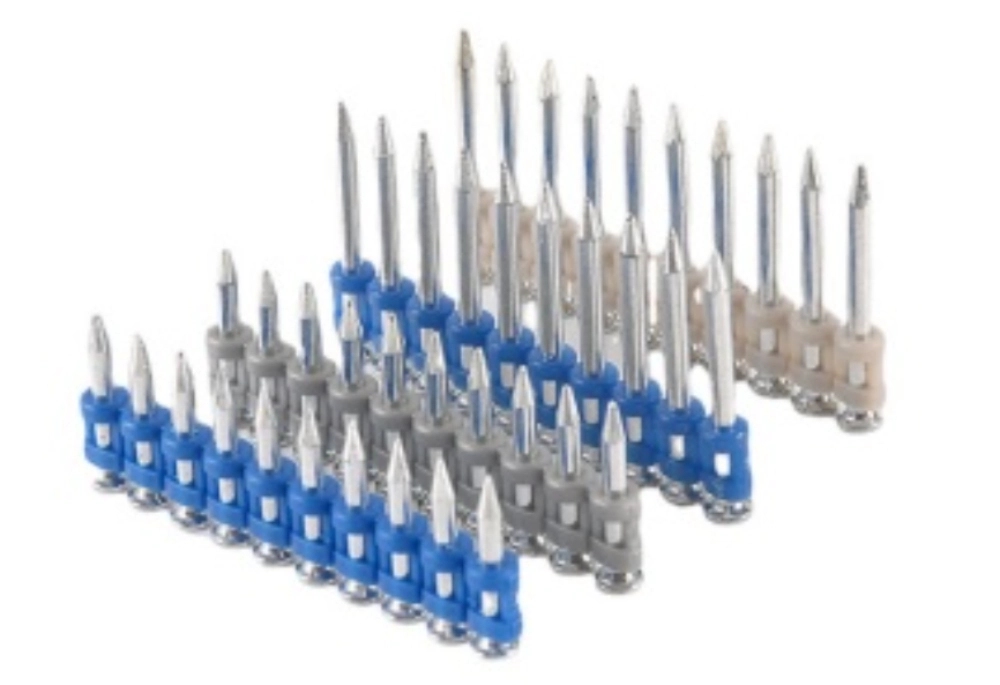
If the job shifts toward harder fixing tasks, Gas Drive Pins or Smooth Concrete Nails may be more relevant than a standard collated wood-fastening product.
Indoor and Outdoor Use
Outdoor use raises the importance of corrosion behavior and package durability. Indoor use may focus more on clean feeding and finish quality. The environment should shape the buying decision.
Speed vs Accuracy Balance
Some jobs need maximum speed, while others need cleaner placement and better finish control. The buyer should decide which factor matters more before selecting the nail format.
What Should Stocking Buyers Check?
Distributors and project buyers need stable specs, packaging clarity, and repeat supply. Otherwise the nail is difficult to stock and harder to reorder.
Spec Consistency
Gauge, length, coating, and collated format should stay consistent across batches. That makes quoting and reordering easier.
Package Size
Package size matters for warehouse handling, retail display, and jobsite distribution. A format that is too large or too fragmented can create handling friction.
For resale channels, packaging should help the customer choose quickly. Clear size labels, tool-use notes, and coating information reduce mistakes at the counter and on site.
Tool Compatibility
The same nail should be easy to match to the intended tool. If the buyer cannot explain the compatibility clearly, the order is not ready yet.
For distributors, a clear compatibility note also reduces after-sales pressure. The end user wants to know whether the nail will run through the tool already on site. If the answer is vague, the buyer may lose confidence before the first box is opened.
What Should Site Buyers Review Before Bulk Purchase?
Jobsite buying is easier when the buyer checks the parts that affect real use, not just the label on the box.
Embedding Depth and Surface Condition
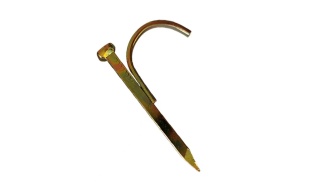
Concrete and steel jobs behave differently because the fastener has to meet different surface conditions. Buyers should check how much embedment is required and whether the finish needs to hold in a hard base.
Load and Vibration Exposure
If the connection will face vibration or repeated movement, the buyer should think about how the fixing behaves over time. A fastener that seats quickly is not useful if it loosens later.
Bulk Supply Stability
The order should be repeatable across batches. That is especially important for distributors and project buyers who need the same spec later without renegotiating the full order.
Conclusion
Collated nails should be chosen by tool type, jobsite rhythm, and substrate behavior. Qinjia’s coil nails and drive pins fit buyers who want practical fastening performance and repeatable supply. The right choice is the one that keeps the tool running smoothly and the job moving without avoidable rework.
FAQ
Why do collated nails matter?
They improve feeding consistency and can make high-volume work faster when the tool and substrate are matched correctly.
Are coil nails better for every job?
No. They are better for some high-volume or tool-specific tasks, but the jobsite and tool still decide whether they are the right choice.
What should buyers confirm before ordering?
They should confirm tool type, nail gauge, length, coating, package size, and the actual jobsite use case. They should also keep a note of the tool brands used by their main customers, because the same nail description can behave differently across feed systems.

 Consult
 Whatsapp
 Leave Message
 top
top