


Related news
B2B Selection Matrix: Choosing Pneumatic & Gas Fasteners for Wood, Brick & Plaster
Specifying commercial Gas Fasteners for mixed-substrate construction projects requires analyzing material density, shank column strength, and driving energy. Driving a pin into dense cured concrete demands significantly higher energy and steel hardness than securing decorative trim over brittle gypsum plaster. Based in Hebei, Qinjia manufactures industrial wire and sheet metal fasteners, exporting high-carbon concrete nails, gas pins, ST nails, and brad nails to wholesale distributors across North America, Europe, Australia, and the Middle East. Matching mechanical fasteners to substrate hardness prevents structural joint failures and lowers labor costs across commercial jobsites.
How Does Substrate Density Dictate Fastener Mechanics in Wood, Brick and Plaster?
Base material structures vary widely across job sites, ranging from elastic timber studs to dense masonry walls and fragile plaster coatings. Selecting an improper fastener shank geometry or alloy hardness leads to bent pins, surface spalling, or loose attachments under shear load.
Impact Force Requirements and Substrate Resistance Breakdown
Penetrating cured concrete and solid brickwork requires high-carbon steel fasteners with specialized heat treatment to resist buckling under high-velocity direct impact. Poured concrete matrices contain river gravel and aggregate stone that create intense localized resistance against the entering shank. High core hardness allows the shaft to displace aggregate particles through friction keying without axial bending or shank distortion.
Preventing Surface Spalling in Delicate Gypsum and Plaster Overlays
Brittle plaster coatings demand thin shank geometry, such as 18GA or 16GA finishing pins, to compress material without causing face cracking or back-side blowouts. High-impact drive force intended for masonry will shatter soft gypsum overlays. Fine-gauge shanks displace plaster fibers gently, creating discrete entries that hide cleanly under surface fillers.
Historical Substrate Selection Principles and Field Application Insights
Field evaluations show that matching drive energy directly to base material compressive strength eliminates costly jobsite rework. Site managers evaluating multi-material attachment protocols can review our field reference on choosing correct fixings for wood brick plaster to align fastener specifications with structural site conditions.
Which Fastener Metallurgy and Shank Designs Work Best Across Different Substrates?
Structural integrity depends on matching base steel chemistry and thermal processing protocols to substrate density. Evaluating specialized gas fasteners alongside pneumatic drive pins ensures optimal holding power for every trade application.
Heavy-Duty Concrete and ST Nails for Solid Brickwork and Framing
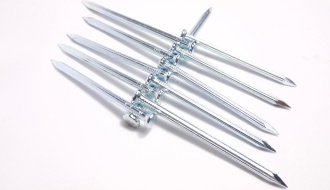
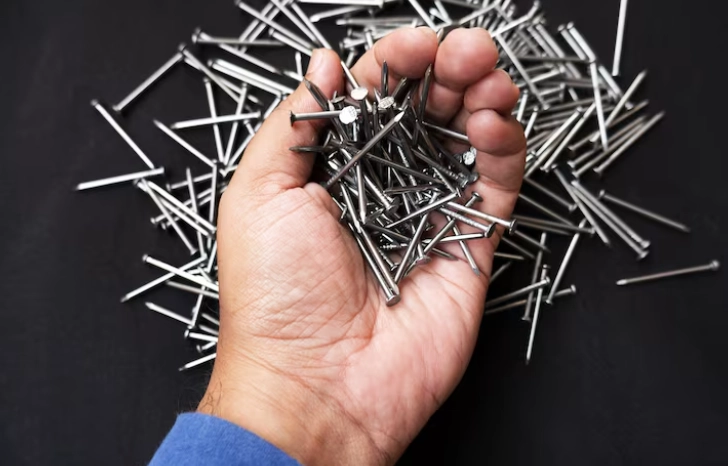
Securing timber battens or light steel studs to hard masonry requires thick-shank pneumatic fasteners. Manufactured from high-strength 45# steel with heat treatment, Qinjia heavy-duty concrete nails feature 2.15mm shank diameters, 15–64mm lengths for pneumatic ST guns, and 1″–8″ lengths for manual concrete nails. Their thick profile provides exceptional column strength to penetrate solid brick without bending. Contractors frequently specify these pneumatic st nails for brick walls when constructing interior partition frames.
Gas-Actuated Drive Pins for High-Volume Steel and Concrete Penetration
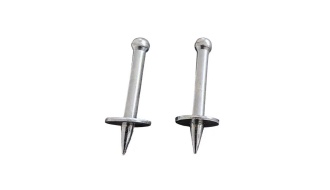
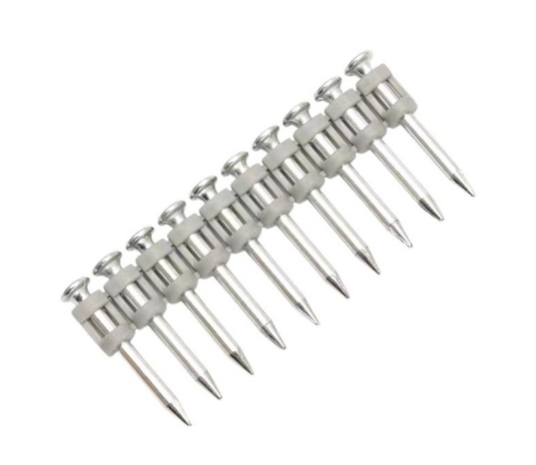
Commercial drywall tracking and electrical conduit installation require high driving velocity. Industrial gas drive pins forged from high-carbon steel feature lengths from 12mm to 62mm and head diameters of 6–8mm, driven by gas-actuated nailers for rapid commercial installation. Using ballistic-pointed gas drive pins for solid brickwork enables instantaneous penetration into hard substrates without pre-drilling holes or relying on electric hammer drills.
Fine-Gauge Brad Nails for Discreet Trim and Wood Finishing
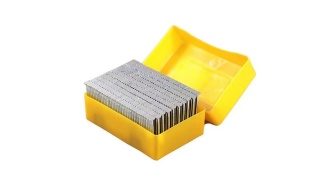
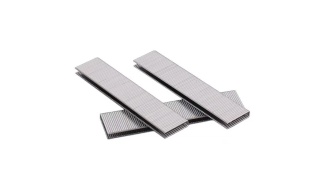
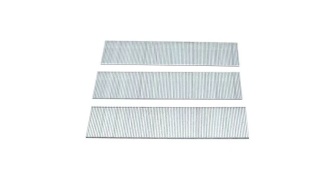
Interior joinery, cabinet assembly, and decorative trim overlays require non-structural mechanical attachment. Precision Qinjia brad nails are manufactured from low and medium carbon steel, available in 18GA (10–50mm) and 16GA (25–64mm) specifications with thin shank design to reduce wood splitting. Selecting specialized brad nails for plaster walls and fine timber trims ensures clean entry pinholes without cracking delicate face moldings.
What Operating Parameters Prevent Fastener Bending and Material Blowouts?
Tool pressure adjustments, tool selection, and chemical surface protection dictate long-term fastener stability on active jobsites. Properly calibrating drive energy for gas fasteners prevents shank shearing and substrate fracturing.
Matching Drive Force and Gas Energy to Base Material Density
High-strength gas fasteners utilize gas fuel cell actuation to achieve rapid penetration into dense masonry without requiring manual pre-drilling or electric rotary drills. High-carbon steel fasteners for concrete penetrate directly into dense matrices under gas combustion pressure. Adjusting power settings on gas tools prevents over-penetration in soft brick while providing full driving energy in cured concrete slabs.
Corrosion Protection Platings for Alkaline Concrete and Humid Trim Sites
Concrete matrices release alkaline moisture that accelerates steel oxidation over time. Surface finishing options including electro-zinc plating, bluing, phosphating, and anti-rust coatings protect steel shanks against moisture ingress and alkaline concrete reactions. Zinc platings create a durable barrier for exterior framing and high-humidity interior spaces, preventing rust bleeding through wall finishes.
Minimizing Contractor Waste and Reducing Jobsite Rework
Fastener failure increases non-productive labor hours through manual pin extraction and wall repair. Superior column strength and core hardness eliminate bent fasteners, reducing driver blade jams and non-productive labor costs. Uniform metallurgical heat treatment ensures that every fastener absorbs drive energy cleanly, maintaining installation speed across large commercial sites.
How Do Factory Quality Protocols Ensure Fastener Performance and Batch Consistency?
Batch-to-batch consistency requires strict quality management throughout wire drawing, cold heading, thermal processing, and surface finishing stages.
Full-Process Factory Quality Inspection and Third-Party Verification
Quality management spans incoming wire verification, dimension checks, core hardness testing, and optional third-party testing such as SGS or BV. Automated inspection tools verify shank diameter tolerances and head concentricity, ensuring every batch meets international building standards before shipment.
Controlled Thermal Processing and High-Carbon Wire Selection
High-carbon steel wire coils undergo controlled quenching and tempering heat treatment cycles to ensure high tensile strength and elasticity. Precise heat treatment prevents steel from becoming overly brittle or soft, maintaining core Rockwell hardness levels necessary for high-impact driving into concrete.
Precision Tolerances to Eliminate Jamming in Air and Gas Tools
Tight shank diameter tolerances and smooth surface finishes guarantee seamless magazine feeding in high-velocity pneumatic and gas-actuated guns. Uniform collation strips prevent tool misfeeds, protecting gun driver blades from premature wear and eliminating jobsite downtime.
How Can Distributors Sourcing Gas Fasteners Partner with Qinjia for Wholesale OEM Orders?
Establishing direct manufacturing partnerships provides regional distributors with custom packaging options, competitive factory pricing, and reliable lead times. Wholesale buyers procuring gas fasteners require verified batch consistency to maintain distributor margins.
Flexible OEM Packaging Options and Private Label Manufacturing
Bulk supply options include small inner boxes, plastic wrap, and master shipping cartons tailored with custom OEM branding for regional distributors. Custom labeling, specific strip collation angles, and private brand packaging allow importers to build strong regional market presence.
Free Sample Testing and Technical Parameter Support
Provision of free sample testing, technical parameter sheets, and standard 30% T/T deposit payment terms with pre-loading inspection reports simplifies international procurement. Distributors can evaluate drive performance and tensile strength through factory sample batches prior to full container commitments.
Direct Sourcing Consultation and Fast Response Contact Channels
Communicating directly with factory sales engineers accelerates custom order processing and technical specification reviews. Direct factory consultation assists importers when sourcing commercial gas fasteners for regional distribution, simplifying tariff classification and container loading arrangements.
Evaluating material specifications, shank diameters, or custom OEM packaging requires direct technical guidance. If your procurement team needs product dimension sheets, custom collation options, or technical parameter support for commercial projects, please contact our engineering sales team to review your order requirements.
FAQ
How do gas fasteners compare to traditional masonry anchors?
Industrial gas fasteners are driven directly into concrete or steel using gas-actuated nailers, providing instantaneous mechanical attachment without pre-drilling holes or inserting plastic expansion anchors. This significantly increases installation speed for high-volume commercial drywall tracking and electrical conduits.
Can pneumatic ST nails be used for wood-to-wood framing?
No. Pneumatic ST nails feature thick 2.15mm shanks forged from heat-treated 45# steel designed specifically for securing wood or light steel studs to hard concrete and brick walls. Their thick shank profile can split timber if used for direct wood-to-wood joinery.
What surface finish is best for fasteners driven into concrete?
Electro-zinc plating or hot-dip galvanization is recommended for high-humidity or perimeter concrete applications to resist alkaline oxidation. For dry indoor framing, blued or phosphated surface coatings provide reliable corrosion protection during storage and installation.

 Consult
 Whatsapp
 Leave Message
 top
top