


Related news
Why Collated Fasteners Improve Speed and Consistency in Construction Fastening
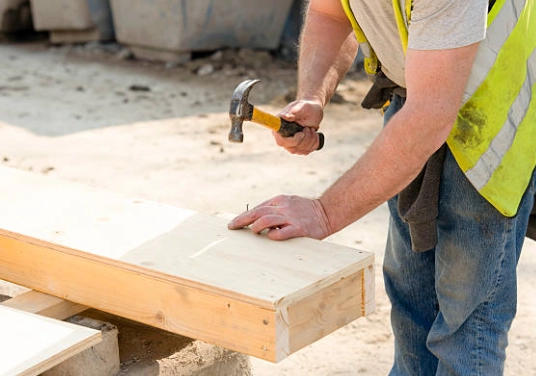
For contractors, workshops, and distributors, collated fasteners are about steady work. A worker loads a strip or coil into a tool, keeps driving, and avoids stopping after every single nail. That saves time, but it also improves repeatability. The right fastener, tool, and package format can make construction fastening cleaner and easier to control.
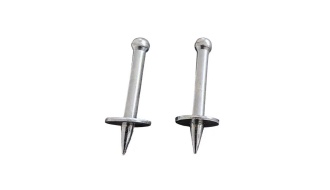
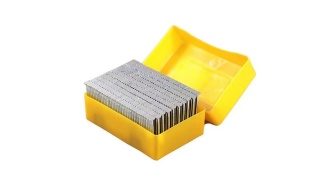
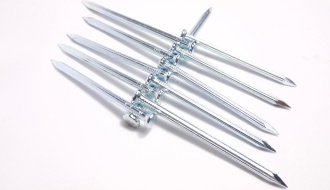
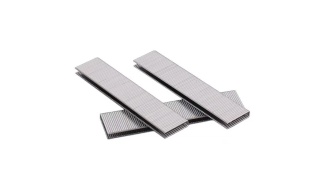
Qinjia manufactures metal fasteners for construction and woodworking, including coil nails, concrete nails, ST nails, brad nails, staples, gas drive pins, pipe hook nails, and drywall screws. For buyers serving contractors, pallet workshops, furniture plants, or building material stores, Qinjia’s range helps match different base materials, tool systems, and packaging needs in one sourcing plan.
What Are Collated Fasteners and Why Do They Matter on Job Sites?
Loose nails work for small repairs. Repeated fastening is different. Once the task becomes timber frames, pallets, crates, fencing, roofing boards, or furniture parts, the operator needs speed without losing control.
Pre Arranged Fasteners for Continuous Tool Feeding
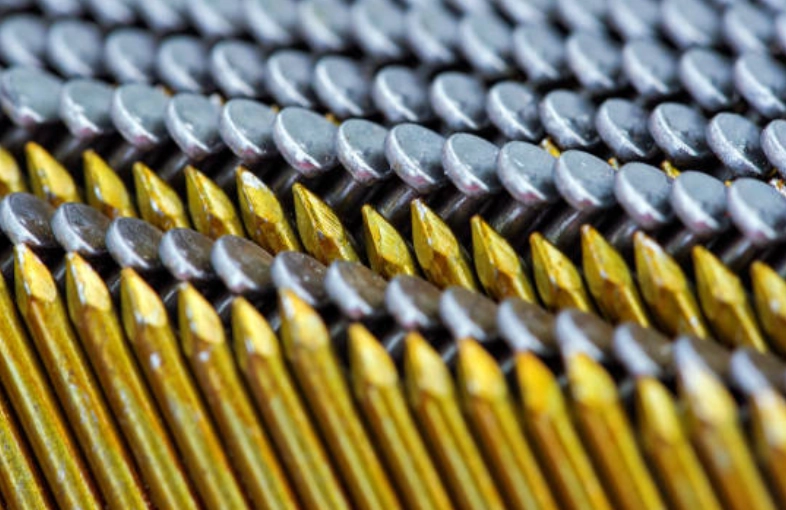
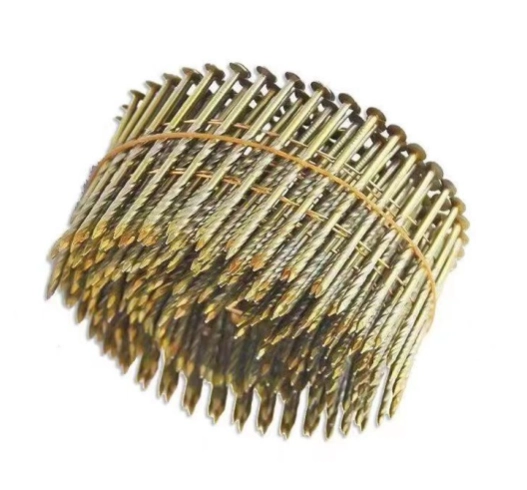
Collated nails are fixed together in a coil, strip, or row so a nail gun can feed them one by one. The main value is continuous tool feeding, which reduces hand placement and supports a steadier working rhythm.
Better Workflow Than Loose Fasteners
Loose nails need picking, positioning, and manual loading. With collated fasteners, the operator reloads less often and keeps the tool moving. This helps reduce dropped nails, mixed sizes, and stop-start work.
Practical Value for Contractors and Distributors
Contractors care about jobsite output. Distributors care about selling fasteners that match local tools and work habits. A useful product line should answer real questions about application, tool match, coating, packaging, and repeat supply.
How Do Collated Fasteners Improve Installation Speed?
Speed comes from removing many small delays: picking nails, loading tools, correcting feed issues, and restarting work after every interruption.
Fewer Reloading Stops During Repeated Fastening
On pallet assembly, wood packaging, roofing support boards, and fence components, the same motion is repeated many times. A tool-fed system reduces reloading stops and helps workers focus on material position and tool control.
Faster Wood Fastening With Coil Nails
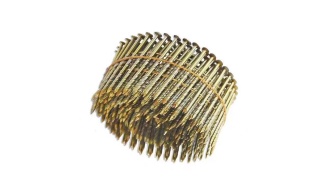
For large-volume wood fastening, Qinjia coil nails are a practical product to consider. Coil format suits continuous nailing work in pallets, crates, wooden frames, fencing parts, and timber applications.
Better Tool Rhythm for High Volume Work
A steady tool rhythm supports cleaner spacing and more stable driving depth. If the feed is unstable, the operator must stop, clear the tool, check the surface, and restart. Good collated nails for nail guns should feed smoothly.
Why Does Consistency Matter as Much as Speed?
Fast work only helps when the result can pass inspection. Uneven fastening can cause surface marks, weak holding, rework, or complaints. Consistency depends on product design, tool compatibility, and factory control.
More Uniform Fastener Placement
The tool nose, magazine angle, and feed path all affect placement. Repeatable fastening matters for visible woodwork, pallet strength, roofing substrates, and any job where many fastening points must look and perform the same.
Lower Risk of Misfires and Rework
Misfires and jams often come from mismatch: wrong nail angle, weak collation, unsuitable shank, poor finish, or a tool that does not fit the nail. For bulk fastener sourcing, buyers should confirm application, tool information, coating, and packing.
From the production side, feeding stability depends not only on the nail itself, but also on the collation matrix. Wire-collated nails need stable welding points so the nails keep the correct spacing before entering the magazine. Plastic-collated formats need consistent tape geometry so the strip does not sit too loose or too tight inside the tool. In humid, hot, or cold storage conditions, the carrier material should remain firm enough to hold the nails in line, but controlled enough to break away cleanly during driving. This balance helps reduce premature cracking, loose feeding, blocked nosepieces, and uneven flush-driving depth during high-speed work.
Quality Control From Material to Shipment
Qinjia’s quality control logic is useful for repeat orders. The company can arrange checks on size, appearance, hardness, and surface condition according to product type and customer requirements. For collated fasteners, small variation can affect feeding, so batch stability matters.
How Should Buyers Choose the Right Collated Fasteners?
A buyer should not choose only by price or length. The base material, tool type, working environment, required appearance, and resale channel all affect the right specification.
Match the Fastener to the Base Material
Wood-to-wood work often points to coil nails or other nail gun fasteners. Concrete or masonry work may need concrete nails, ST nails, or gas drive pins. Furniture finishing may need brad nails. Upholstery and thin board work often use staples.
Check Tool Compatibility Before Ordering
Nail gun compatibility should be checked before price negotiation. Buyers need to confirm magazine type, collation angle, nail length range, head style, shank type, and coating. One wrong detail may stop feeding even if the nail itself is made correctly.
Select Coil Nails for Large Scale Wood Fastening
If your customers do repetitive wood fastening, Qinjia coil nails should be placed high on the sourcing list. They fit the practical needs of wood assembly, packaging, and construction fastening efficiency where continuous operation matters.
What Should Importers and Distributors Ask Before Bulk Purchasing?
Bulk purchasing adds risk. A small mismatch in sample confirmation can become a large inventory issue after shipment. Before volume orders, the specification, packaging, and service details should be clear.
Specification Stability Across Batches
Ask whether length, diameter, head shape, shank form, coating, and packaging can remain consistent across repeat orders. For collated fasteners, also check collation strength and whether cartons protect the product during shipping and warehouse handling.
| Buying Point | What to Confirm |
|---|---|
| Base Material | Wood, concrete, steel, board, or upholstery use |
| Tool Match | Magazine type, angle, and size range |
| Finish | Indoor, outdoor, or humid environment needs |
| Packaging | Carton strength, label, quantity, and resale format |
| Repeat Orders | Same specification across future batches |
ODM and OEM Support for Local Market Needs
For distributors building private label lines, Qinjia ODM/OEM support can help align product, label, carton, and market requirements. This is useful for OEM fastener packaging, mixed specifications, local language labels, and retail-ready cartons.
Service Support After Shipment
After shipment, buyers may still need technical answers. A contractor may report feeding issues, or a distributor may need to compare returned samples with the original order. Qinjia’s service support can help with product matching, usage guidance, and compatibility suggestions.
Contact
If your project involves repeated fastening, mixed tool models, or private label supply, prepare your target application, current sample, tool information, packaging request, and expected order pattern before discussion. This makes communication clearer and reduces wrong specifications. You can use Qinjia’s contact page to send details for product matching support.
FAQ
Q: What are collated fasteners used for?
A: They are used for repeated fastening with nail guns or similar tools. Common uses include wood assembly, pallets, crates, fencing, roofing substrates, furniture work, and construction fastening. The fastener must match the tool and base material.
Q: Are coil nails better than strip nails?
A: Coil nails are often better for continuous wood fastening because they support longer tool operation before reloading. Strip nails may fit other tool systems. The right choice depends on nail gun compatibility and job type.
Q: What should I check before buying collated fasteners in bulk?
A: Check base material, tool model, nail length, diameter, head type, shank type, coating, collation format, packaging, and repeat order consistency. Sample confirmation and packing details are also useful for export purchasing.

 Consult
 Whatsapp
 Leave Message
 top
top