

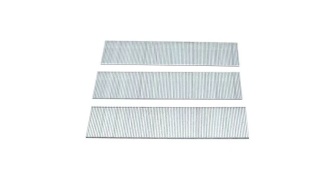

The Ultimate Guide to Collated Nails and Their Essential Industrial Applications
In fast-paced building and production work, time counts as a key resource. Sticking with hand hammering or scattered join parts often leads to big losses in worker effort and stuff waste. Switching to collated nails offers the best path to blend quick pace with accurate work. These join parts, linked by wire, plastic, or paper bands, support fast setup that keeps tasks flowing without breaks.
For solid pro trust, a teammate focused on join part design is vital. Qinjia Metal Products fills that role. From China’s main hardware spot, they have worked years to match high-carbon steel power with careful heat steps. Unlike basic sellers, they view each nail as a main build piece. Their goods push straight and grip firm in areas from North America to Southeast Asia. For sellers seeking steady supply lines or builders needing custom OEM changes, the plant gives the steady tech you need to grow work.
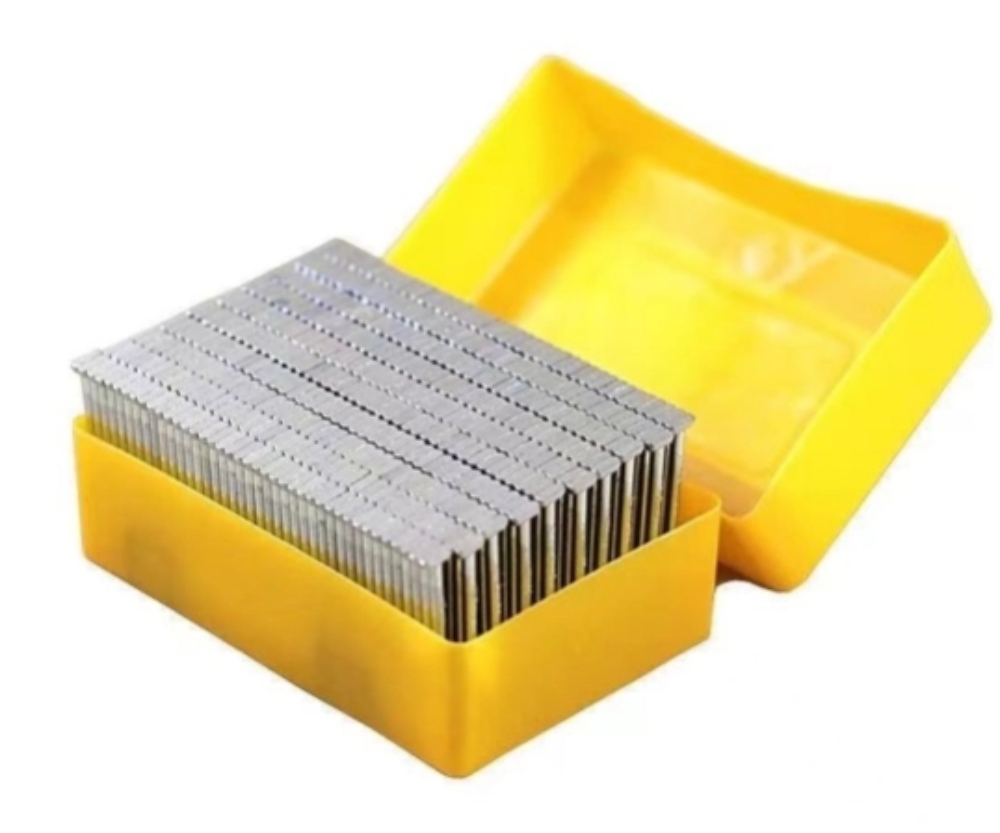
Why Are Collated Nails Essential for High-Volume Projects?
Big build efforts and factory lines can’t handle the halting style of old join ways. Adding a steady flow of join parts turns task flow from hand steps into a smooth, auto setup.
Benefits of Collated Nails in High-Volume Projects
The key gain is sharp cut in refill time. In pro spots, each minute an air tool waits empty means lost gain. These parts let you place hundreds without stop. That helps meet short due dates in shop framing or box build. Also, the even band setup makes sure each nail hits the base at right slant. This lowers chances of shiny spots or face harm that needs hand fixes.
Pneumatic Collated Nails for Construction Efficiency
Current build areas depend on pace, and pneumatic collated nails for construction form the core of that pace. These parts are built to take strong hits from air nail tools. With exact spacing and slant in 15-degree rolls or straight lines, they avoid tool blocks that hit cheap options. This fit keeps teams working from day start to end.
Where Are Coil Nails Used in Heavy-Duty Manufacturing?
Tough fields need a join part that bears heavy build strain while going in quick. Wire-linked choices become key here.
Coil Nails for Heavy Duty Manufacturing and Pallet Assembly
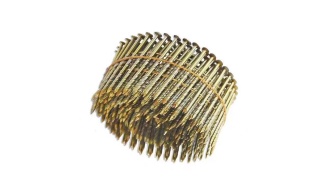
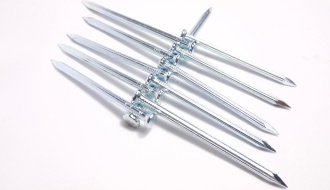
In move and ship work, coil nails suit wood box and case build. One roll holds up to 300 nails. That makes it the top way for bulk make. These often have twist or ring sides for better pull-out fight. This matters when a box hauls tons of goods over world routes.
Industrial Applications for Collated Nails in Roofing
Past boxes, big rolls stay common in roof and side work. On sloped roofs, avoid grabbing loose nails from a bag. The wire band feeds easy into roof nail tools. This lets you fix roof tiles or outer boards with one hand while keeping steady with the other. The high-carbon steel build makes nails cut through thick wood or OSB without bend.
How Do 18GA F Brad Nails Benefit Interior Finishing?
While tough builds need raw power, inside tasks call for light care. A join part must hold safe without big gaps that spoil the look of skilled work.
18ga Brad Nails for Interior Finishing and Trim
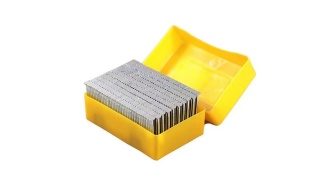
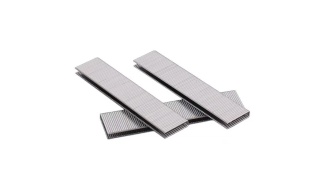
For fitting top trim, floor edges, or fine borders, 18GA F Brad Nails serve well. Their slim 18-gauge size leaves a tiny mark. Often, a small wood fill or paint layer hides it. This hidden join sets pro end from home work. They give firm press to keep trim set as glue dries, without cracking slim wood pieces.
Precision Fastening in Furniture and Joinery
In fine furniture and cabinet make, these brads let you pin parts with sharp care. Linked in straight bands, they slide right into light finish nail tools. This gives room to work in close spots or decor nooks. The even face and good coat stop rust spread through wood over time. Thus, the item’s worth stays.
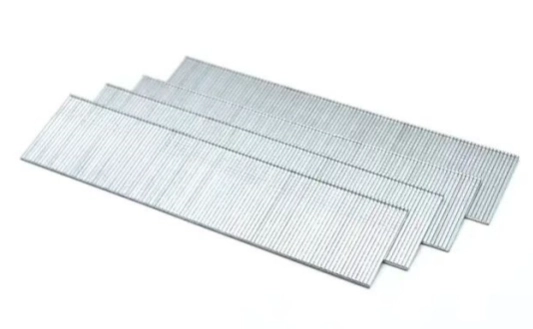
Can 14 Gauge Concrete T Nails Replace Traditional Drive Pins?
Tying wood to stone work has long been hard and pricey. It usually means powder tools or drill and plug steps. New T-nails shift that for good.
Concrete T Nails for Wood to Concrete Structural Bonds
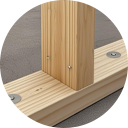
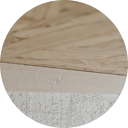
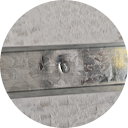
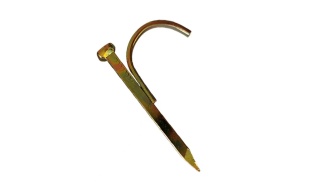
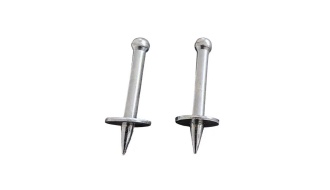
To attach a wood frame or strip right to brick or stone wall, 14 Gauge Concrete T nails give strong aid. Made from 45# steel with special heat work, they gain hard to cut stone without break. The T head offers broad face that holds wood tight to stone. So, the frame stays put.
Collated Nails for Industrial Applications in Partitioning
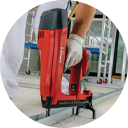
In shop inside setups, using these T-nails in tough air nail tools saves more than gas drive pins or spread bolts. You fix a full floor’s base parts in far less time. This shows collated nails go beyond wood-to-wood ties. They link varied build stuff with lasting build hold.
Why Should You Partner with a Professional Fastener Manufacturer?
The split between good project and pricey fail often ties to wire and steel quality in join parts. A pro maker does not just form nails. They design them.
Comprehensive Service and Logistics
Past the item, seek a seller with tech advice and sure world ship. A real teammate gives stuff papers and outside check reports like SGS or BV. This builds trust in build strength. From OEM pack marks to long stock safety, the right aid keeps business running without supply holes.
FAQ
Q: What is the main benefit of using collated nails over loose ones?
A: The key plus is big boost in setup speed and less worker tire. Collated join parts allow steady, one-hand work with air tools. This stays vital for high output in pro sites.
Q: Can 14 gauge concrete T-nails be used with a standard framing nailer?
A: No. Due to thick size and 45# steel hard, these need a special tough air T-nail tool. It handles 14-gauge width and power to cut stone.
Q: Are 18ga brad nails strong enough for structural framing?
A: No. They fit inside finish, borders, and light build. For frame work, use bigger size nails or the noted T-parts to keep safety and steady build.

 Consult
 Whatsapp
 Leave Message
 top
top