


Self Tapping vs Self Drilling Screws: Which One Does Your Project Need?
In building or repair work, minor choices shape the lasting strength of any setup. Picking between self tapping screws and self drilling screws ranks among key calls. Though they appear alike at first glance, the incorrect pick risks ruined grooves, loose bonds, or harm to surfaces. This overview clarifies the traits of these connectors. It aids in selecting the proper option for a given task.
Prior to examining the working principles, note the maker of these reliable fixings. For a supplier dedicated to hardware, Qinjia stands out. Located in Hebei, the firm has dedicated years to refining bolts and nails. It operates not merely as a plant but as a focused center for research, development, and production of building and timber connectors. Distributors in the Middle East or builders in North America benefit from their steady flow of goods. This comes with thorough checks, such as thread rate trials and pull tests. Their method centers on user needs. They deliver tailored OEM options since projects vary in challenges.
Core Differences Between Self Tapping and Self Drilling
The main mix-up arises from how these screws pierce the base. Spotting the end shape reveals the type.
Definitions and Structural Characteristics of Each Screw Type
A self tapping screw cuts its own mating grooves into a prepared opening. It has a keen, tapered end and a groove layout that shifts aside the stuff for a tight seal. On the other hand, a self drilling screw ends in a cutter like a small bit, often known as a TEK screw. This lets it bore a path and form threads in one go.
Visual Identification Through Tip Design and Thread Geometry
A quick look at the tip shows the kind. A pointed spike signals a self tapping type suited to timber or slim sheets. A broad, cut end resembling a tiny cutter points to a self drilling version for denser plates, where prior boring slows things down.
Common Material Compatibility for Metal and Wood Applications
Self drilling screws suit thick metal work. Yet, self tapping screws serve as the top choice for timber links, wood-to-metal ties, and stone tasks. They yield better hold against pulls after fitting into a guide hole.
Why Choose Self Tapping Screws for Your Wood and Masonry Projects?
Timber and stone demand a holder that clings to grains or rock without inner cracks. Here, targeted design plays a key role.
High-Hardness Chipboard Screws for Timber Construction
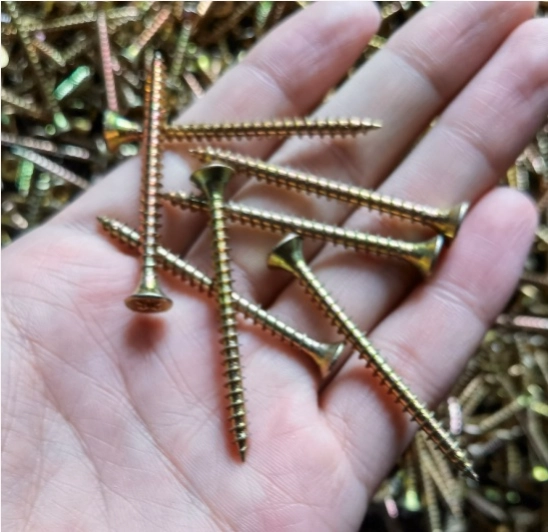
For pressed wood or fiber panels, consider Chipboard screws. These undergo warmth processing to avoid breaks under strong turns. The slim body and bold grooves fit crafted woods. They create a firm grasp that basic timber screws lack.
Exceptional Grip Performance in Soft and Hardwood Materials
Inserting a screw into wood builds warmth from rub. Solid fixings apply coatings such as zinc or yellow zinc to ease this rub. Thus, the screw slides in easily. At the same time, rough grooves catch the wood lines. This stops bonds from slackening amid weather shifts like damp seasons.
Reduced Splitting Risk with Precision Thread Engineering
Cracks ruin careful wood craft. A holder with a keen tip and even groove spacing cuts the stuff cleanly instead of forcing it open. Such care lets screws go near board rims without splitting the grain.
When Is the Drywall Screw the Superior Fastening Solution?
In room setups and dividers, needs move from raw strength to quick work and even surfaces.
Fine and Coarse Thread Drywall Screws for Gypsum Board
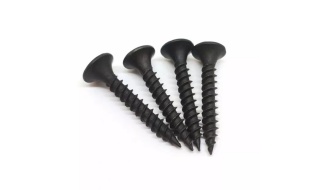
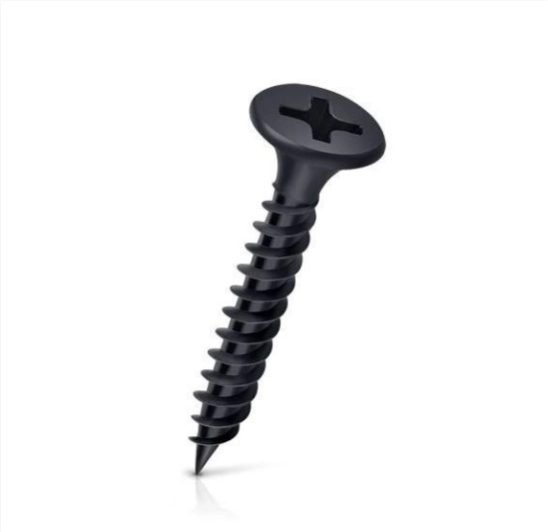
In the Drywall screw area, two groove styles appear. Pick wide grooves to fix plaster to timber frames, as they hold wood strands well. Select narrow grooves for slim steel frames, since the close spacing taps metal without wearing the spot.
Black Phosphated Surface Treatment for Enhanced Corrosion Resistance
Plaster work includes damp mixes and coats. Many of these screws carry a dark phosphate layer. Beyond looks, it aids mix sticking and guards against wet sites in building.
Rapid Penetration Capabilities in Light Metal Studs and Plaster
The flared head marks this item. It sinks the screw under the plaster skin without ripping the cover. This leaves a level dip simple to patch and smooth for a flat wall.
How Does the Manufacturer Ensure Superior Product Quality for Global Buyers?
In trade dealings, steady output means each item acts like the start of the run.
Advanced Heat Treatment for Maximum Tensile Strength
Weak screws pose dangers. Fitting warmth handling with 45# carbon steel strikes the right mix of firmness and bend. The result pierces bases well yet flexes amid building moves.
Full-Process Quality Inspection From Wire Drawing to Packing
Standards embed in every step, not just the close. As raw strands arrive until boxed ends, checks confirm size matches. Pull gauges and mist boxes verify fit for site demands.
Strict Compliance with International Fastener Standards
For tasks needing SGS or BV marks, leading makers supply stuff papers and review notes. This openness eases bids on major builds or public works.
Why Partner with This Team for Your Bulk Fastener Procurement?
Smooth delivery chains matter as much as the goods.
Comprehensive OEM and ODM Customization Services
Markets differ in box styles and measures. Small packs suit shops, while large bags fit factories. OEM labels let users shape their trade spot.
Efficient Logistics and Global Supply Chain Support
Moving dense metal loads calls for skill. Set paths to the US, Australia, and Middle East handle sea or sky hauls. The group even loads varied types in single crates for mixed sends.
Professional Technical Consultation and Contact Information
Doubts on fitting a base to a holder find answers online. Browse the list or ask for rates at hbqinjia.com. For quick aid or talks on steady deals, reach the sales unit to ground projects firmly.
FAQ
Q: Can I use self tapping screws in high-strength concrete?
A: Yes. However, select firm, warmed models and bore a guide hole of right size and depth beforehand.
Q: What is the main difference between a drywall screw and a wood screw?
A: Drywall screws tend to be slimmer with a flared head to level with plaster sheets. Wood screws feature broader bodies and varied heads for solid wood joins.
Q: Do these screws rust easily in outdoor environments?
A: It hinges on the coat. Dark phosphate suits inside spots, but choose coated or rust-proof kinds for open or damp uses to block decay.

 Consult
 Whatsapp
 Leave Message
 top
top