


Concrete Nails vs Masonry Nails: The Ultimate 2026 Buying Guide
Selecting structural mechanical fasteners for masonry and cured concrete requires precise evaluation of material hardness, shank geometry, and load thresholds. Driven by rigorous manufacturing protocols, Qinjia produces specialized industrial fasteners engineered to withstand heavy impact forces without shearing or buckling. When deciding between concrete nails and masonry nails for site-specific applications, procurement managers must evaluate substrate compressive strength, installation velocity, and environmental exposure. Using the wrong fastener type compromises structural integrity, increases labor costs, and leads to premature pull-out failures.
What Is the Essential Difference Between Concrete Nails and Masonry Nails?
Fasteners rated for use in solid cement based masonry are vastly different from those designed for use in hollow masonry units. Understanding the fundamental metallurgical and structural differences of these types of fasteners will enable the builder to identify potential problems and head off failure on the jobsite.
Substrate Compatibility and Shank Design Differences
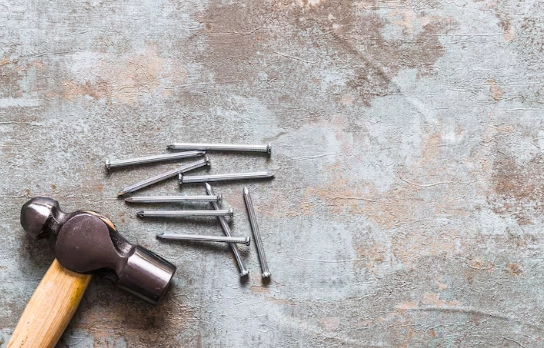
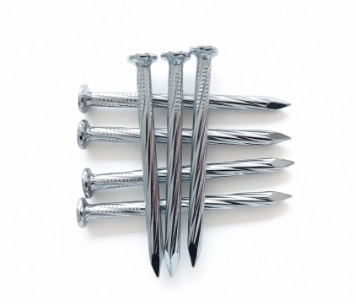
The main difference between concrete nails and other types of fasteners is the shape of the shank and the hardness of the substrate they will be fastened into. The shank of fasteners for softer masonry such as clay bricks, mortar joints, and lightweight cinder block are fluted or square in shape. This type of shank allows it to fit into the various void spaces found within these types of masonry. Harder masonry such as cured poured in place concrete with dense aggregate matrices require fasteners with smooth, straight, or deep fluted shanks that are able to spread within the high-density material. What do concrete nails look like? They are typically thick in diameter with a flat countersunk head or round head that are designed to be driven with considerable force without deforming.
Steel Hardness and Heat Treatment Standards
Whether a fastener is to penetrate through a dense medium or simply bend in an impact, is determined by the material composition of the fastener. Most masonry fasteners are made of mild or medium-carbon steel and are therefore suited for softer building materials. High-grade concrete fasteners on the other hand are made of high-carbon 45# steel and are subjected to a strict quenching and tempering process in heat treatment. This treatment achieves a core hardness of more than HRC 50. This high tensile and yield strength is required to penetrate through thick high-PSI concrete slabs without bending.
Surface Treatments and Corrosion Protection
Environmental exposure dictates the required surface finish. Indoor dry applications often utilize blued finishes created through thermal oxidation, providing basic rust resistance during storage. Exterior framing, perimeter walls, and humid environments require electro-galvanization or hot-dip galvanization. Thick zinc coatings protect the steel core against oxidation caused by moisture ingress and chemical reactions with concrete curing agents.
| Feature | Concrete Fasteners | Masonry Fasteners |
|---|---|---|
| Base Steel | High-carbon 45# steel | Mild / medium-carbon steel |
| Heat Treatment | Quenched & tempered (HRC > 50) | Standard or localized hardening |
| Shank Options | Smooth, deep-fluted, spiral | Fluted, square, smooth |
| Target Substrate | Poured concrete, precast slabs, solid stone | Brick, mortar, cinder block |
How Do You Select the Right Fastener for Your Specific Substrate?
Matching fastener specifications to installation equipment and base material conditions ensures optimal holding power and operational speed.
Heavy-Duty Manual Fastening in Cured Concrete
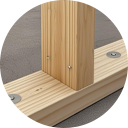
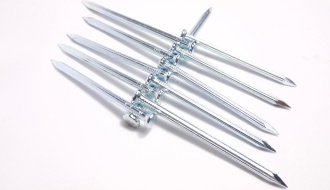
For direct manual framing, formwork securing, and heavy bracket mounting, selecting verified Qinjia concrete nails ensures maximum mechanical keying. These fasteners feature shank diameters ranging from 2.0mm to 5.5mm and lengths from 1″ to 8″. The high-carbon steel structure prevents shank deflection when driving directly into aged foundation walls or precast concrete lintels using standard sledges or heavy framing hammers.
High-Speed Automated Installation for Industrial Projects
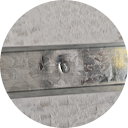
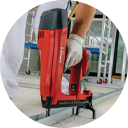
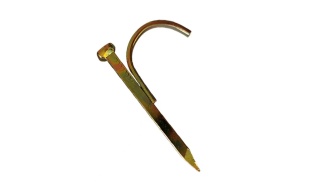
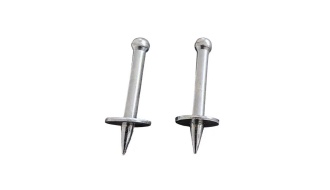
High-volume commercial construction—such as attaching drywall track or electrical conduit to concrete ceilings—demands high-speed mechanical installation. Utilizing specialized Qinjia gas drive pins allows contractors to complete hundreds of fixings per hour using gas-actuated nailers. Ballistic points and washer-collated assemblies allow precise penetration into dense concrete and structural steel channels, reducing installer fatigue.
Historical Comparison Guidelines and Selection Insights
Field engineers evaluating long-term performance metrics and load capacities can reference specialized industry comparative studies. For a deeper technical breakdown on historical testing metrics and the difference between concrete nails and masonry nails, review our comprehensive analysis on How to Choose the Right Nail: Concrete Nails or Masonry Nails. Comparing empirical pull-out test data provides actionable guidance for structural engineering submittals.
Why Does Fastener Quality Directly Impact Construction Safety and Project Costs?
Substandard fasteners compromise structural connections, introducing safety risks and inflating operational expenditure through material waste and rework.
Prevention of Bending and Shearing Failure Under Load
When a low-carbon or inadequately heat-treated fastener hits hard aggregate, it absorbs kinetic energy by bending sideways. Uncontrolled bending fractures the surrounding concrete surface, creating large spall craters that weaken the anchorage zone. High-carbon hardened shafts maintain structural alignment under high-impact forces, driving cleanly into the matrix to form a tight compression fit capable of resisting heavy shear loads.
Long-Term Holding Power and Pull-Out Resistance
Holding power relies on frictional forces generated between the displacement track and the fastener shank. Deep-fluted or specialized spiral shanks create micro-wedging actions within the displaced aggregate. As concrete compresses against the steel shaft, the resulting hoop stress secures the shank in place, preventing loosening caused by structural vibration or thermal expansion.
Minimization of Material Waste and Jobsite Labor Hours
Fastener failure causes non-productive labor hours. Each bent nail must be removed, hole filled, and re-driven. Therefore, using high-grade concrete nails instead of bent nails will eliminate the batch to batch variation in performance. This allows the installation crew to run at a consistent speed on large commercial jobsites.
What Factors Should B2B Buyers Consider When Sourcing Wholesale Fasteners?
Commercial distributors and importers evaluating potential supply partners need to assess the manufacturer’s capability to consistently manufacture quality products, allow for custom designs, and manage a reliable supply chain.
Custom Manufacturing Capabilities and OEM Packaging Options
Most large construction projects demand more than the standard shank length, special nail heads or other features that are protected by special corrosion protection. Wholesale concrete nails from Chinese factories with flexible OEM production lines are sold by importers in the branded plastic cases, with custom printed cartons and outer reinforced strong pallets for distribution on the local market.
Direct Factory Pricing and Continuous Quality Assurance
Eliminate intermediary markups by sourcing directly from the factory to maintain your wholesale distribution margins. Our quality control at the factory floor level is on going and includes metallurgical batch testing of raw materials, core hardness verification of castings and tensile shear testing of finished products to precise mechanical tolerances.
International Logistics Support and On-Time Delivery
Industrial fasteners are a high-density cargo item that requires to be very securely packaged in order to arrive safely at port of destination. Heavy-duty corrugated boxes with moisture-resistant inner linings are used in conjunction with reinforced wooden pallets to prevent any box collapse during the sea journey.
How Can You Partner with Qinjia for Custom OEM Supply and Bulk Orders?
Establishing a direct manufacturing pipeline simplifies inventory management and guarantees consistent product performance across all commercial lines.
Tailored OEM Manufacturing and Free Sample Testing Services
To verify physical properties before committing to full container orders, procurement teams can request factory samples for lab testing and field trial driving. Custom dimensions, shank fluting styles, and surface platings are tailored according to client technical drawings or target market specifications for custom concrete nails.
Dedicated Engineering Consultation and Technical Support
Choosing the right nails for concrete work involves matching the substrate density and shear requirements with the right products for varying climates. Buyers can be guided by technical teams on appropriate wire gauge, thermal treatment and coating to offer corrosion resistance as well as full compliance with local building codes.
Direct Inquiry Channels for Fast Wholesale Quotations
Streamlined communication channels connect international sourcing officers directly with factory sales engineers, facilitating rapid processing of technical spec sheets, pricing tiers, and production scheduling.
Navigating structural fastening specifications, custom sizing needs, or bulk distributor pricing requires experienced technical guidance. For inquiries regarding custom OEM manufacturing, product samples, or factory specification sheets, please contact our engineering and sales team to discuss your project requirements.
FAQ
Q: What is the main difference in the concrete nails vs masonry nails comparison?
A: The main differences between concrete fasteners and masonry fasteners are the material hardness and shank size. Concrete fasteners are usually made from high-carbon 45# steel, and have been heat treated to provide the hard core that is needed to penetrate into hard poured-in concrete without bending. Most masonry fasteners are made from lower-carbon steel and are designed for use into soft clay brick, mortar joints and hollow block.
Q: Can you drive concrete nails manually with a standard hammer?
A: Yes. Manual installation requires a heavy framing hammer or small sledgehammer (2 to 3 lbs) striking the flat head directly. For high-volume commercial installations, automated gas-actuated pins offer significantly faster placement speed.
Q: Why do some fasteners bend when striking hard substrate surfaces?
A: Fastener bending occurs when the steel lacks sufficient core hardness (HRC < 50) or when striking embedded heavy rebar or extremely high-PSI aggregate. Choosing a properly hardened special concrete nail ensures high column strength and prevents shank deflection upon impact.

 Consult
 Whatsapp
 Leave Message
 top
top