


A Practical Guide to Direct Fastening Tools and Compatible Fasteners
Choosing the right fastener is not only about size. If you use direct fastening tools, you also need to match the tool, fastener type, base material, surface finish, and jobsite working method. A pin that works well in concrete may not suit trim work. A screw that holds drywall cleanly may not be the right answer for steel fixing. That is why many contractors, distributors, and project buyers first ask a simple question: what are the different types of fasteners and bolts, and how do you choose the right one?
Qinjia supplies metal fasteners for construction, woodworking, interior finishing, and building installation work. Its product range includes concrete nails, ST nails, brad nails, staples, gas drive pins, pipe hook nails, and drywall screws. For B2B buyers, this range is useful because one supplier can support several jobsite needs, from concrete fixing to furniture finishing. The practical value is not only product variety. It is also the ability to compare fasteners by base material, tool compatibility, thread type, surface treatment, packaging, and OEM requirements.
What Are the Main Types of Fasteners and Bolts?
Fasteners are a wide group. Bolts, screws, nails, pins, staples, anchors, and clips all belong to fastening systems, but they do different jobs. A bolt usually works with a nut or threaded hole. It is common in assemblies where parts may need to be removed or tightened again. Screws create holding force through threads. Nails and pins are driven into materials by impact or tool force. Staples hold thin boards, fabric, packaging, or upholstery materials.
For construction buyers, the key question is not “which fastener is stronger?” The better question is “which fastener matches my material and installation method?”
Bolts, Screws, Nails, Pins, and Staples
Bolts are often used for mechanical assembly and structural connections. Screws are better for controlled fastening into wood, drywall, and light steel systems. Nails and pins are faster where repeated fixing is needed. Staples are practical for soft materials, thin panels, and furniture work.
Structural Fasteners and Finishing Fasteners
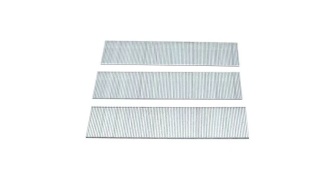
A structural fastener must hold parts in place under heavier stress. A finishing fastener should leave a cleaner surface and reduce visible marks. For example, a gas drive pin is used for hard base materials, while 18GA F Brad Nails are used for trim, frames, and furniture finishing.
Removable Connections and Permanent Fixing
Bolts and screws are easier to remove than most driven nails or pins. If the project needs later adjustment, screws or bolts may be safer. If speed and repeated fixing matter more, driven fasteners can reduce labor time.
How Do Direct Fastening Tools Change Fastener Selection?
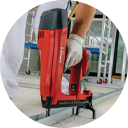
Direct fastening changes how buyers judge fasteners. Instead of checking the fastener alone, you need to check the whole system: the tool, the fastener, the base material, and the consumables. For distributors, direct fastening tools also affect inventory planning, because customers may ask for compatible pins, gas canisters, and related nail gun accessories in the same order.
Faster Installation on Concrete and Steel
Concrete and steel fixing often take more preparation when using traditional drilling and anchoring. With the right tool system, gas drive pins can support faster repeated fixing. This matters in ceiling installation, wall fixing, steel track fixing, and other jobs where workers repeat the same action many times.
Tool-Compatible Pins instead of Manual Fastening
Not every nail can be used with every tool. Tool-compatible pins must match the tool type, driving force, fastener length, and job material. If a buyer only checks price and ignores compatibility, the result may be misfires, poor penetration, bent pins, or unstable fixing.
Gas Drive Pins for Hard Base Materials
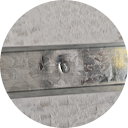
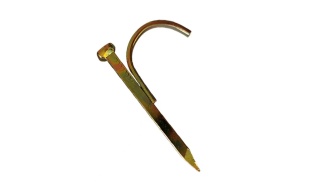
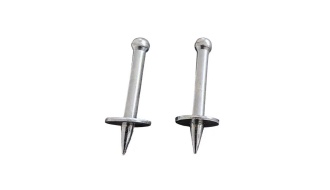
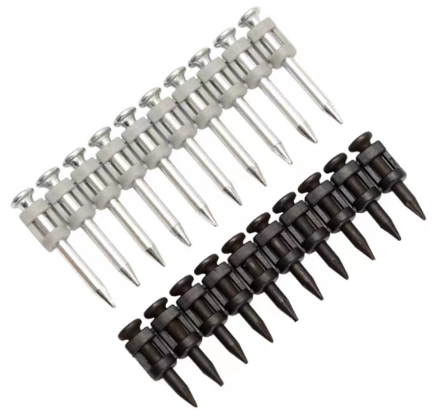
Qinjia Gas drive pins are used with gas-actuated nail guns for fastening into steel and concrete. The product range includes lengths from 12–62mm, common head diameters of 6–8mm, and high-carbon steel material. For buyers looking for gas drive pins for concrete, these details help narrow the selection before sampling.
Which Fasteners Should You Choose for Different Materials?
A clean purchase list starts from the material. Concrete, steel, drywall, wood, and furniture trim all behave differently. Hard base materials need penetration. Drywall needs clean seating without tearing the board surface. Fine trim work needs a small fastener that does not split the wood or leave a large mark.
Concrete and Steel Fixing with Gas Drive Pins
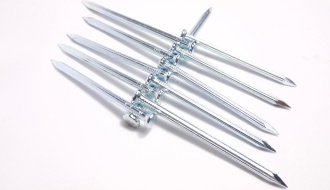
For fasteners for concrete and steel, gas drive pins are suitable when the project uses gas-actuated tools and repeated fixing is required. They are not the same as ordinary concrete nails. Concrete nails are often installed by hammering or simpler tools, while gas drive pins belong to a faster tool-based system. This makes them more suitable for contractors who care about speed and consistent workflow.
Drywall and Stud Fixing with Drywall Screws
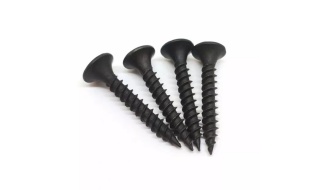
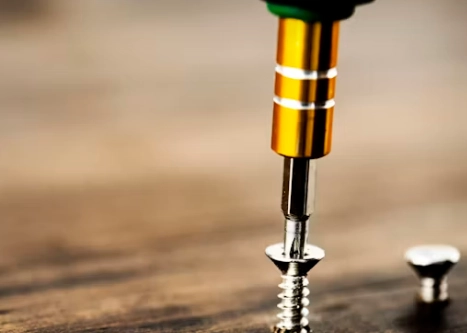
Qinjia Drywall screw products are used for fastening gypsum boards to studs. The range includes coarse thread for wood studs and fine thread for steel studs. Available diameters include M3.5, M3.9, and M4.2, with lengths from 25–75mm. If your customer asks for drywall screws for metal studs, fine thread is the point to check first. For wood studs, coarse thread is usually the more relevant option.
Sourcing Warning: The Real Cost of Thread Mismatch in Drywall Installation
In B2B procurement, ordering the wrong thread type can create serious jobsite problems. If a contractor uses coarse-thread drywall screws designed for wood studs on light gauge steel studs, the aggressive thread may strip the metal instead of forming a secure bite. If fine-thread screws are used in timber, the screw may not develop enough grip, which can lead to loose boards or later rework.
The same logic applies when choosing gas drive pins for concrete. If the pin does not suit the actual substrate condition, workers may face bent shanks, weak fixing, or surface damage. Qinjia reduces this risk through full-process quality control from incoming materials to shipment, random inspection, outgoing inspection, and checks such as hardness, dimensions, and appearance when required. For bulk orders, buyers should still confirm base material, tool model, fastener length, and sample performance before finalizing the order.
Furniture and Trim Work with 18GA F Brad Nails
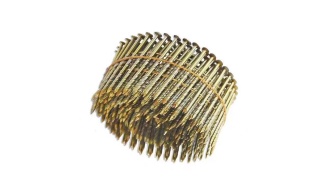
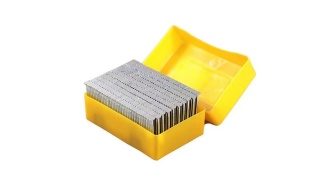
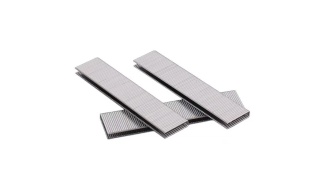
For trim, frames, joinery, and furniture work, the goal is not heavy structural fixing. The goal is a neat finish with less surface damage. Qinjia 18GA F Brad Nails fit this type of work. The product range covers 18GA sizes from 10–50mm, with zinc plated or copper plated surface options. For buyers searching for 18GA F Brad Nails for trim, this product type is a practical match.
How Should Buyers Compare Performance, Size, and Cost?
A good fastener purchase is not always the cheapest one. A low unit price can become expensive if the product does not match the tool, bends during use, rusts too early, or causes rework. This is where direct fastening tools require a more careful buying method.
| Buyer Checkpoint | What to Confirm | Why It Matters |
|---|---|---|
| Base Material | Concrete, steel, drywall, wood, or trim | Prevents wrong fastener selection |
| Tool Compatibility | Gas-actuated tool, pneumatic nail gun, screw gun, or manual use | Reduces misfires and poor installation |
| Size Range | Length, diameter, thread, or gauge | Helps match holding need and material thickness |
| Surface Finish | Zinc plated, phosphated, blued, copper plated, or anti-rust coating | Supports indoor, outdoor, or finishing needs |
| Packaging | Small box, bucket, plastic wrap, bulk, or OEM | Helps distributors plan resale and mixed orders |
For distributor orders, the sample is only the first step. Before moving to bulk purchase, buyers should check whether the supplier can keep the same size, surface finish, packing method, and tool compatibility from batch to batch. Qinjia supports full-process quality control from incoming materials to shipment, with random inspection and outgoing inspection used together. For screw products such as Drywall screw, testing support may include thread driving checks and torque-related checks. When required, buyers can also ask for hardness, salt spray, dimension, and appearance inspection, along with material certificates, inspection reports, and packing lists. This helps reduce the risk of receiving fasteners that look acceptable in a sample box but fail during repeated jobsite use
Base Material and Holding Requirement
Start with the material and the load requirement. A finishing nail should not be used as a structural fastener. A drywall screw should not be treated as a general wood screw for every use. A gas drive pin should be checked against the tool and base material before bulk purchase.
Fastener Size, Surface Finish, and Packaging Options
Size affects both holding and installation. Surface finish affects storage, appearance, and rust resistance. Packaging also matters in B2B orders. Qinjia supports different packaging formats across products, such as boxed or plastic wrap packaging for gas drive pins, small box or bucket packaging for drywall screws, and small box or plastic wrap packaging for brad nails.
Tool Compatibility and Replacement Consumables
For compatible fasteners for nail guns, buyers should ask what tool type the customer uses. Gas drive pins may require gas canisters and nail gun accessories. Brad nails need the right nailer type and gauge. Drywall screws need the correct driver setup to seat the head without damaging the board.
How Can Distributors Build a Practical Fastener Purchase List?
Distributors usually serve more than one type of customer. One buyer may need drywall screws for interior partitions. Another may need gas drive pins for concrete fixing. A furniture workshop may need brad nails for finishing. A practical order list should group products by jobsite use, not only by product name.
Project-Based Product Grouping
For construction and installation customers, group gas drive pins with related tool consumables. For interior wall contractors, group drywall screws by thread type and length. For furniture and trim customers, group 18GA F Brad Nails by length and surface finish. This makes the product list easier for sales teams and end users to read.
Mixed Orders for Construction and Interior Finishing
Qinjia’s range allows buyers to combine construction fixing and finishing fasteners in one purchasing plan. This is useful for distributors who supply contractors, hardware shops, and project buyers. Instead of promoting every fastener equally, match each product to a clear use: gas drive pins for concrete and steel, drywall screws for gypsum board systems, and brad nails for trim and furniture work.
Service, Technical Support, and Contact
If you are comparing direct fastening tools, compatible fasteners, and project-based order lists, prepare your base material, tool type, required size range, surface finish, and packaging preference before sending an inquiry. Qinjia can support technical parameters, usage guidance, compatibility suggestions, and long-term supply planning. For drawings, samples, mixed order needs, or product matching questions, use the Qinjia contact channel and share as much project detail as possible.
FAQ
Q: What fasteners work with direct fastening tools?
A: Direct fastening tools usually work with tool-compatible pins or nails designed for hard base materials such as concrete or steel. For example, gas drive pins are used with gas-actuated nail guns. Buyers should check fastener length, head size, tool type, base material, and consumables before ordering.
Q: Are drywall screws considered direct fastening fasteners?
A: Drywall screws are not usually grouped with gas-actuated pins, but they are part of a complete construction fastener purchase list. They are used for gypsum board and stud fixing. For Qinjia Drywall screw products, coarse thread suits wood studs, while fine thread suits steel studs.
Q: How do I choose between gas drive pins, drywall screws, and 18GA F Brad Nails?
A: Choose by material and job type. Use gas drive pins for concrete or steel fixing with suitable tools. Use drywall screws for gypsum board systems. Use 18GA F Brad Nails for trim, frames, joinery, and furniture finishing where a cleaner surface is needed.

 Consult
 Whatsapp
 Leave Message
 top
top