


Related news
A Complete Buyer Guide To Direct Tools And Fasteners For Wholesale Distributors
For wholesale distributors, direct tools and fasteners are not just small hardware items. They affect how fast contractors work, how firmly materials are fixed, and how often customers come back for repeat orders. When the wrong nail, pin, screw, or tool-compatible fastener is supplied, the result can be bent fasteners, cracked concrete, tool jams, rust complaints, and wasted labor on site.
Qinjia works with distributors and project buyers that need stable construction direct fastening supplies from a factory source. Based in Hebei, the company focuses on concrete nails, ST nails, brad nails, staples, gas drive pins, pipe hook nails, drywall screws, and customized fastening products. With high-carbon steel processing, heat treatment, surface finishing, inspection before shipment, and flexible OEM packaging, Qinjia supports buyers serving North America, the Middle East, Australia, Southeast Asia, Turkey, South America, and other markets.
This guide explains how to choose direct tools and fasteners for concrete, masonry, steel, drywall, cable fixing, furniture, and general construction use. It also shows what wholesale buyers should check before placing bulk orders.
Why Do Wholesale Buyers Need Reliable Direct Tools and Fasteners?
Direct tools and fasteners are widely used because contractors want faster installation and cleaner fixing results. Compared with slow drilling and manual fixing, direct fastening can reduce work steps and keep jobsite progress more stable.
They Help Contractors Save Installation Time
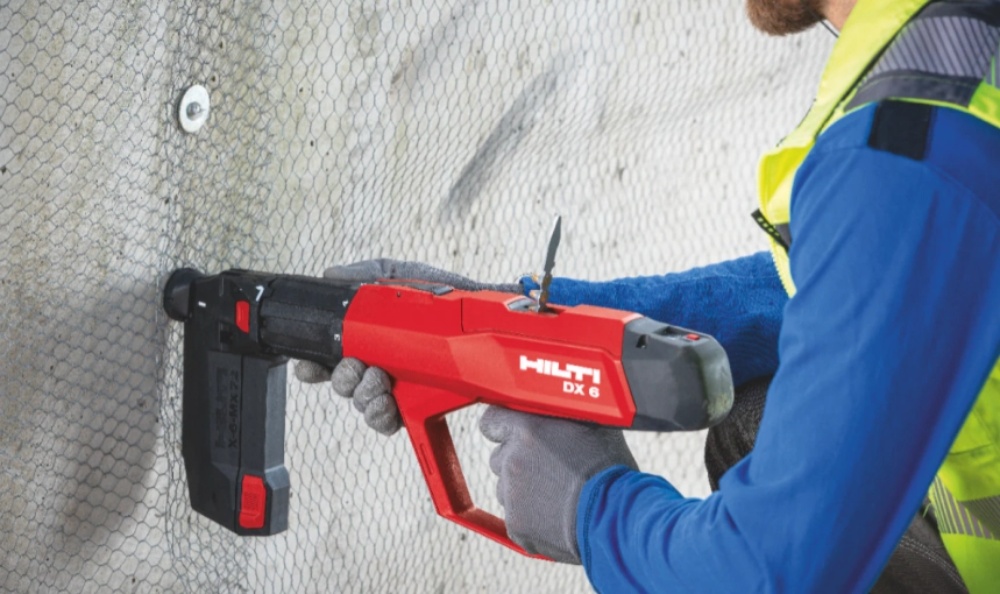
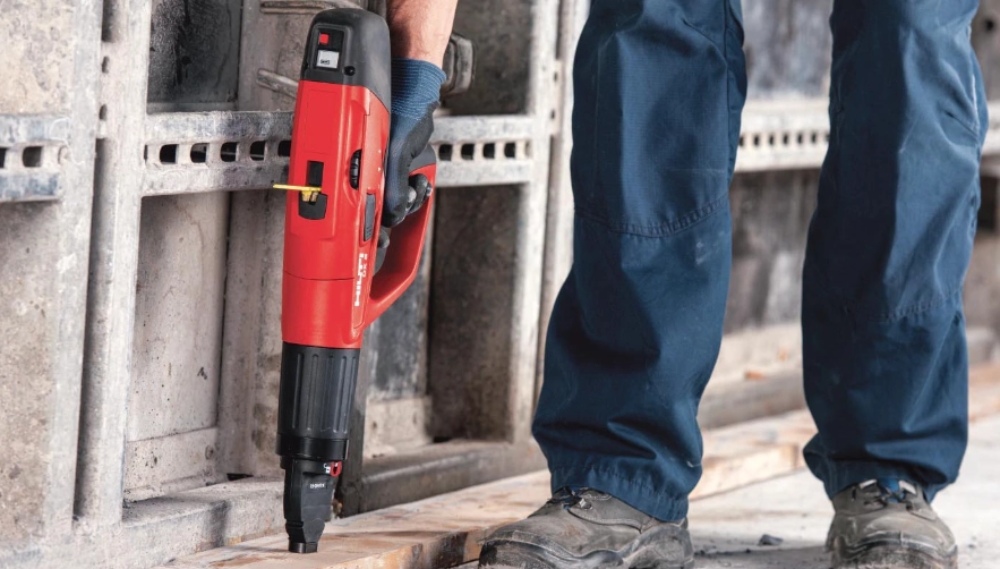
On many construction sites, workers need to repeat fastening work hundreds or even thousands of times. If each fixing point needs drilling, anchor setting, and screw tightening, labor cost rises quickly. Pneumatic direct tools and fasteners, gas drive pins, ST nails, and other fast-install products help workers finish more fixing points in less time.
For distributors, this is a key selling point. Buyers do not only compare product price. They also care about whether the product can reduce labor time and make their work easier.
They Reduce Fastener Failure on Hard Substrates
Concrete, brick, masonry, and steel connections all place pressure on the fastener body. Low-strength nails may bend during driving. Poor heat treatment may cause cracking. Weak surface treatment may cause rust after storage or outdoor use.
Heavy duty direct tools and fasteners are designed for these tougher jobs. High-carbon steel, proper hardness, and stable shank design help the fastener enter the substrate without losing shape.
They Protect Distributor Reputation
When contractors receive weak or inconsistent fasteners, they usually complain to the distributor first. Even if the problem comes from factory quality, the local seller takes the pressure.
That is why wholesale buyers should work with suppliers that control material, hardness, coating, size, packing, and shipment inspection. Stable direct fastening tools and fasteners help distributors keep fewer complaints and stronger repeat orders.
How Should You Choose Direct Tools and Fasteners for Different Applications?
A good wholesale product line should cover several jobsite needs, not only one type of nail. Concrete fixing, steel-to-concrete fastening, drywall installation, cable fixing, woodworking, and upholstery all need different products.
Concrete Nails and ST Nails for Masonry and Stud Fixing
Concrete nails are used for concrete walls, brick walls, and wood-to-concrete fixing. Qinjia concrete nails are made from high-carbon steel with heat treatment, giving them high hardness and strong holding power. Common specifications include 1 inch to 8 inches in length and 2.0 mm to 5.5 mm in diameter. Surface options include zinc plating, bluing, phosphating, and other anti-rust finishes.
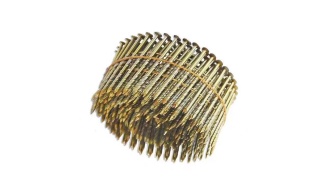
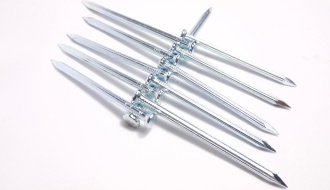
ST nails are different from ordinary concrete nails. They are used with pneumatic nail guns and are mainly suitable for fixing wood studs or light steel studs to concrete or brick walls. Qinjia ST nails are made from 45# steel with heat treatment. Common specifications include 2.15 mm diameter and 15 mm to 64 mm length. For distributors serving interior decoration, partition wall, and light steel keel projects, ST nails are a practical product line.
|
Product Type |
Main Material |
Common Application |
Buyer Note |
|
Concrete Nails |
High-carbon steel |
Concrete and brick walls |
Check hardness and surface finish |
|
ST Nails |
45# steel |
Wood or light steel studs to concrete |
Confirm pneumatic tool compatibility |
|
Brad Nails |
Low/medium carbon steel |
Furniture and finishing |
Not for load-bearing use |
|
Drywall Screws |
Carbon steel |
Gypsum board and studs |
Choose coarse or fine thread |
Gas Drive Pins, PD Drive Pins, and NK Drive Pins for Faster Fixing
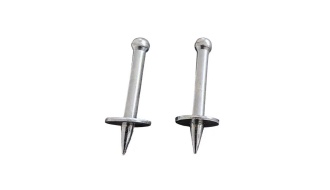
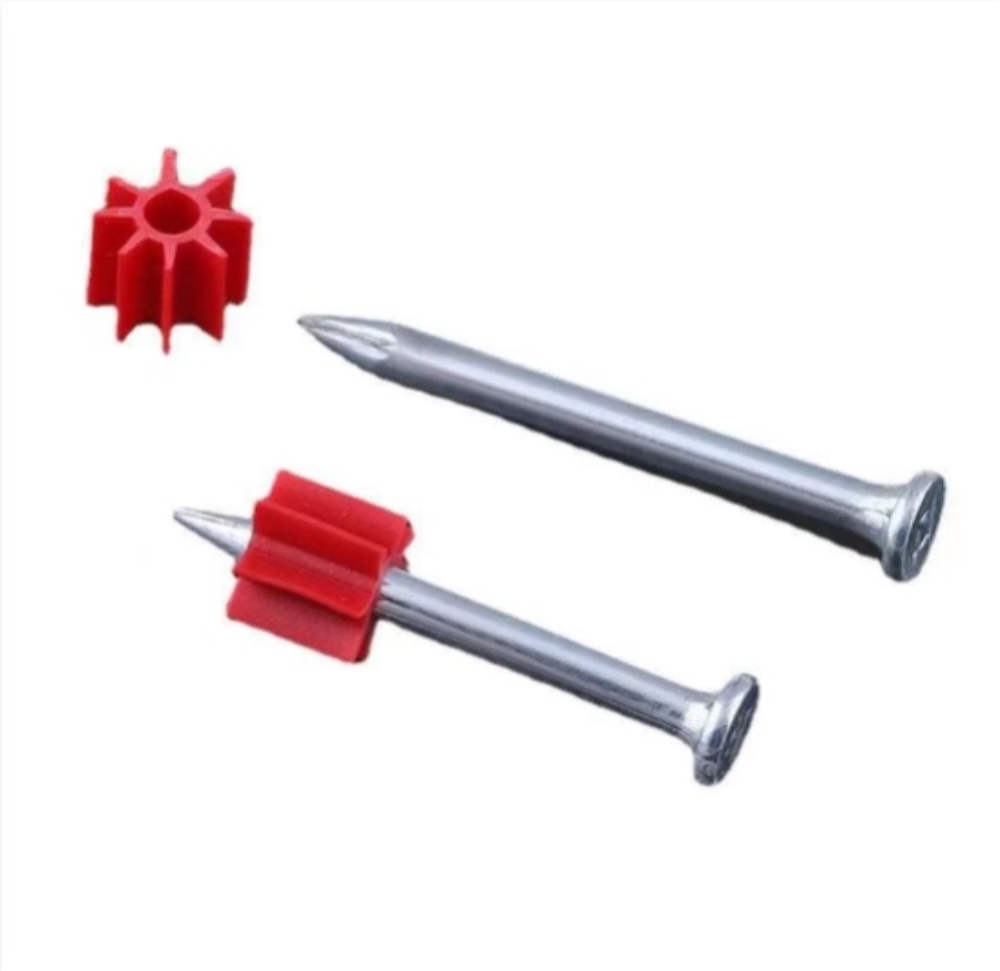
Gas drive pins are used with gas-actuated nail guns. They are suitable for fastening into steel and concrete where speed matters. Common lengths range from 12 mm to 62 mm, with head diameters around 6 mm to 8 mm. For contractors working on steel frames, concrete walls, track fixing, or repeated fastening points, gas actuated drive pins can improve daily output.
PD drive pins are better suited for hard concrete. Their stronger shank design helps reduce bending when the substrate is difficult to penetrate. They are often used for heavy bracket mounting, frame fixing, and hard concrete fastening.
NK drive pins are used for steel-to-concrete connections. Their specialized head helps hold metal sheets, tracks, or plates tightly against the concrete base. This makes them useful for metal plate anchoring and construction fixing points that may face vibration or shear force.
|
Pin Type |
Best Substrate |
Typical Use Case |
|
Gas Drive Pins |
Standard concrete / steel |
Fast track installation |
|
PD Drive Pins |
Hard concrete |
Heavy bracket mounting |
|
NK Drive Pins |
Steel to concrete |
Metal plate anchoring |
Brad Nails, Staples, Pipe Hook Nails, and Drywall Screws for Broader Stock
Not every buyer needs heavy masonry fastening. Many distributors also serve furniture makers, interior contractors, cable installers, and drywall teams.
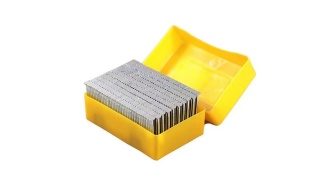
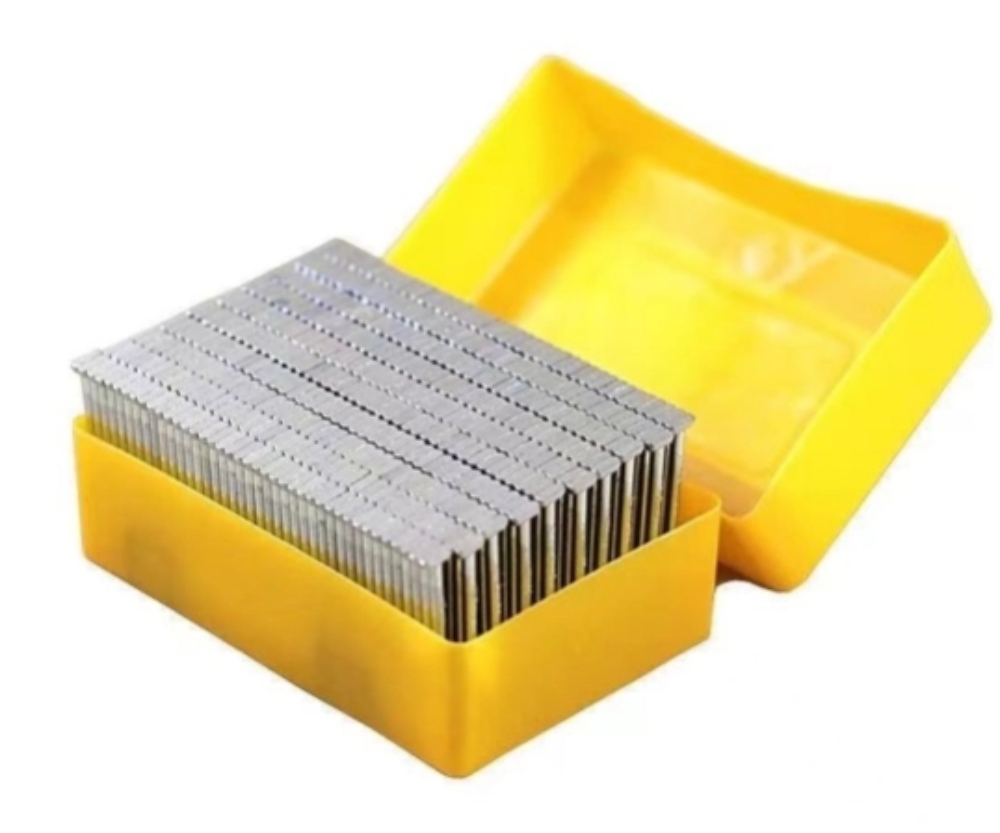
Brad nails are used for furniture, frames, doors, windows, and fine woodworking finishing. Common sizes include 18GA from 10 mm to 50 mm and 16GA from 25 mm to 64 mm. They are thin, clean, and less likely to split wood, but they are not suitable for load-bearing applications.
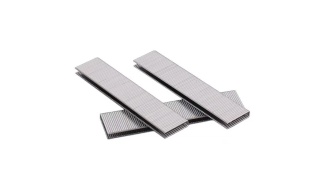
Staples are used for upholstery, thin boards, woodwork, and packaging. Common series include 80, 90, 92, 100, 102, and 14 series, with leg lengths from 6 mm to 50 mm.
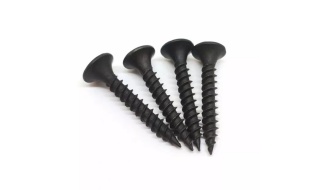
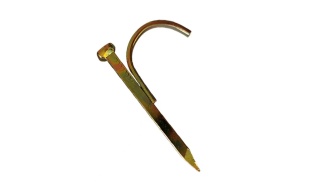
Pipe hook nails are used for cable and small pipe fixing. The built-in plastic hook makes cable routing neat and fast. Drywall screws are used for gypsum board installation, with coarse thread for wood studs and fine thread for light steel studs.
What Specifications Should Buyers Check Before Placing Orders?
Before buying direct tools and fasteners in bulk, distributors should confirm more than the product name. Size, material, coating, hardness, packing, and compatibility all affect customer satisfaction.
Material, Hardness, and Heat Treatment
Material choice should match the application. Low-carbon steel is usually enough for brad nails and staples. Medium-carbon steel can be used for some standard screws. High-carbon steel or 45# steel is better for concrete nails, ST nails, and drive pins.
Heat treatment is especially important for heavy duty masonry fastening. If the product is too soft, it may bend. If it is too brittle, it may snap. A reliable supplier should control the heat treatment process and support hardness testing when required.
|
Material Type |
Typical Carbon Content |
Common Hardness Range |
Primary Application |
|
Low Carbon Steel |
0.05%–0.25% |
15–20 HRC |
Brad nails, upholstery staples |
|
Medium Carbon Steel |
0.25%–0.60% |
20–35 HRC |
Standard screws, drywall systems |
|
High Carbon Steel / 45# Steel |
0.60%–1.00% |
45–55 HRC |
Concrete nails, ST nails, masonry pins |
Size, Surface Finish, and Tool Compatibility
Fastener size should be confirmed clearly before production. Buyers need to check length, diameter, head type, shank shape, thread type, collation style, and packing quantity.
Surface treatment should match the working environment. Zinc plating, bluing, phosphating, polished finish, and anti-rust coating are common choices. Indoor projects may only need basic rust protection. Outdoor, humid, or coastal markets need stronger coating.
Tool compatibility is also important. ST nails must match pneumatic nail guns. Gas drive pins must match gas-actuated tools. Staples and brad nails also need the right gauge, crown size, and magazine fit.
Packing, Labeling, and Sample Testing
Packing affects both sales and logistics. Some buyers need small boxes for retail shelves. Some need bulk cartons for construction projects. Others need private labels, barcodes, plastic wrap, buckets, or mixed-product container loading.
Before a large order, buyers should request samples. Test them on real substrates if possible. This helps check driving performance, bending resistance, holding power, coating quality, and tool fit before mass production.
What Makes a Reliable Wholesale Direct Tools and Fasteners Supplier?
The value of wholesale direct tools and fasteners suppliers is not only price. A strong supplier should help buyers reduce risk from production to shipment.
Factory Quality Control From Raw Material to Shipment
A reliable factory should check raw material, wire drawing, forming, heat treatment, surface finishing, size, appearance, packing, and shipment. For screws, torque and thread performance checks are also useful. For nails and pins, hardness, straightness, coating, and shank consistency matter.
Qinjia supports inspection from incoming material to finished goods and can provide related documents according to buyer needs. This helps distributors avoid weak batches and unstable quality.
OEM Packaging and Multi-Product Supply
Many wholesale buyers want to build their own local brand. OEM packaging helps them sell products under their own labels. Qinjia can support small boxes, plastic packaging, bulk cartons, and customized packing styles.
Multi-product supply is also useful. Buyers can combine concrete nails, ST nails, brad nails, staples, gas drive pins, pipe hook nails, and drywall screws in one purchasing plan. This makes stock planning and container loading easier.
Export Experience and Technical Support
Export buyers often need clear specifications, packing lists, loading information, product photos, inspection reports, and after-sales support. A supplier with export experience can reduce communication mistakes.
Qinjia serves distributors and project customers in several international markets. The company can support product selection, compatibility suggestions, sample confirmation, and long-term supply for different fastening applications.
How Can You Bulk Order Direct Tools and Fasteners More Safely?
Bulk ordering should be handled carefully. Once the goods are produced and shipped, small specification mistakes can become expensive.
Confirm the Application Before Quoting
Before asking for a quote, buyers should prepare basic details: target product, substrate, fixing purpose, required size, surface treatment, packing style, tool model if needed, and target market.
For example, hard concrete fixing may require heat-treated high-carbon steel nails or PD drive pins. Steel-to-concrete fixing may require NK drive pins. Drywall systems need the right screw thread. Furniture finishing needs brad nails with suitable gauge and length.
Ask for Samples, Reports, and Packing Details
Samples are useful for checking real performance. Buyers can test whether the fastener bends, breaks, rusts, jams tools, or damages the base material.
For larger orders, ask for inspection reports, material details, carton dimensions, packing quantity, net weight, gross weight, and shipping marks. If OEM packaging is needed, confirm artwork and sample packing before mass production.
Work With Qinjia for Long-Term Supply
For distributors, a stable factory partner is better than changing suppliers too often. Qinjia can support direct tools and fasteners for construction, masonry, drywall, woodworking, cable fixing, and gas-actuated fastening markets.
If you need wholesale direct tools and fasteners, share your application, size range, coating requirement, packing style, order quantity, and destination market. Qinjia can help recommend suitable products, prepare samples, and support bulk orders with stable production and inspection. Contact our build team now for made project papers.
FAQ
Q: What are the main advantages of direct tools and fasteners?
A: They help reduce drilling, manual hammering, and repeated fixing steps. They also improve installation speed for concrete, masonry, steel, drywall, wood, and cable fixing work.
Q: Can pneumatic direct tools and fasteners be used outdoors?
A: Yes, but the surface treatment must match the environment. Zinc plating, anti-rust coating, bluing, or phosphating can improve rust resistance for outdoor or humid projects.
Q: How do I choose between concrete nails, gas drive pins, PD pins, and NK pins?
A: Use concrete nails for general concrete and brick fixing, gas drive pins for fast tool-based installation, PD drive pins for hard concrete, and NK drive pins for steel-to-concrete connections.
Q: What should I check before I bulk order direct tools and fasteners?
A: Check material, hardness, size, surface finish, tool compatibility, packaging, sample performance, inspection reports, and shipping documents.
Q: Are brad nails suitable for load-bearing applications?
A: No. Brad nails are mainly for furniture, frames, doors, windows, and decorative finishing. For stronger fixing, choose ST nails, concrete nails, or drive pins.
Q: Why should distributors buy from a direct factory supplier?
A: A direct factory supplier can offer better control over production, inspection, packaging, delivery, and custom requirements. This helps distributors reduce complaints and keep product supply stable.

 Consult
 Whatsapp
 Leave Message
 top
top