

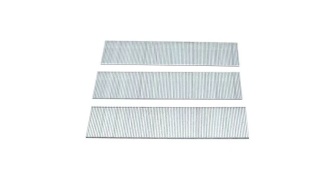

Related news
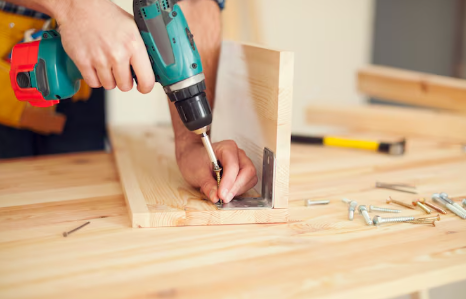
Fixings vs Fasteners: What Is the Difference on a Jobsite?
Fasteners are the physical elements that join materials, while fixings can mean either those elements or the complete method used to secure something in place. Collated fasteners are simply nails, staples, or similar items connected in a strip, coil, or other feed arrangement for a compatible tool. This distinction helps buyers discuss fixings vs fasteners for construction without losing sight of the substrate, connection, and installation method. Qinjia supplies metal fastening products for construction, woodworking, and installation work; the Qinjia website provides an overview of its product range.
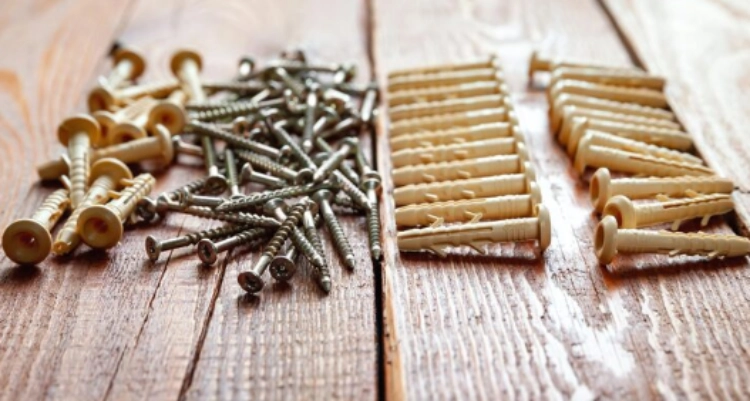
What Is the Difference Between Fixings and Fasteners?
Fastener Describes the Joining Element
A fastener is the item that creates or supports a joint. Nails, screws, bolts, staples, and pins all fit the term, although their applications differ. The name alone does not establish whether a product is suitable. Buyers still need to define the attached material, receiving substrate, required tool, and role of the connection. With collated fasteners, the joining element remains the fastener; collation describes how multiple pieces are held and fed to the tool.
Fixing Often Describes the Complete Installation
On many jobsites, fixing refers to the act or system of securing an object. A fixing specification may therefore include the fastener, tool, spacing, substrate, installation angle, and inspection method. This broader meaning explains why a request for “fixings” is not yet a complete purchasing brief. For a construction purchase, the buyer should translate the site request into a defined connection before comparing products or packs.
The Difference Matters When Substrates Change
Wood, light steel, concrete, and brick respond differently to driving. Shank shape, diameter, point geometry, fastener material, surface treatment, and tool compatibility all affect the result. A fastener intended for finish work may bend or fail to seat in masonry, while a concrete-oriented product can damage decorative timber. Clear terminology is useful because it forces the team to identify what is being joined and what must receive the fastener.
How Should Buyers Read Collated Fasteners for Jobsite Work?
Collation Changes Feeding and Handling
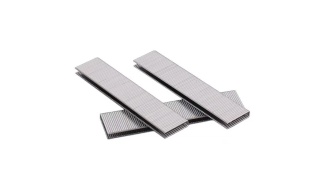
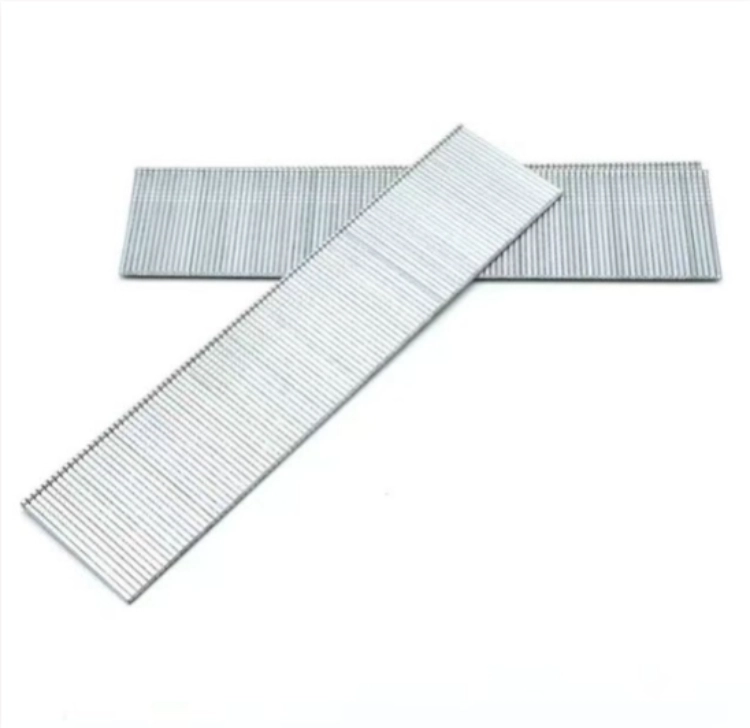
Collated fasteners are arranged so a compatible tool can advance one piece after another. The strip or coil can reduce individual handling during repetitive work, but its angle, gauge, length, head, and collation material must fit the tool. In practice, jobsite use of collated fasteners depends on the feed format and the tool; it is part of the operating system, not a universal pack that fits every nail gun.
Consistency Still Depends on the Fastener and Operator
A feed arrangement may support a steady work rhythm, yet it cannot compensate for the wrong fastener length, an unsuitable substrate, poor tool setup, or an unstable driving angle. The operator must confirm seating depth and inspect for bending, splitting, proud heads, or surface damage. Distributors also need clear carton identification so end users can distinguish visually similar pneumatic nail gun fasteners by gauge, length, collation, and compatible tool type.
Compare the Complete Workflow, Not Just the Pack
Compare loading, feed interruptions, task changes, inspection, and rework under the intended site conditions. The related guide to collated versus loose fasteners and precision adds context for that purchasing decision. A small repair and a repeated installation may justify different formats. Evaluating collated fasteners across the full workflow gives both the buyer and crew a more relevant result than comparing package quantity alone.
Which Fastener Type Fits Common Jobsite Materials?
ST Nails for Stud Fixing to Concrete Walls
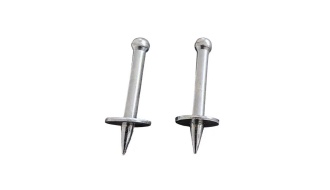
ST Concrete Nails are intended for securing wood or light steel studs to concrete walls with compatible pneumatic nail guns. Qinjia describes this product direction as heat-treated 45# steel with a 2.15 mm diameter and lengths from 15 mm to 64 mm. Their thicker shank and heat-treated construction suit a harder receiving surface than a finishing nail. Among concrete fastening options, this product direction is tied to a stud-to-concrete task. It should not be carried into decorative or wood-to-wood work simply because the tool can drive nails.
Concrete Nails for Hard Concrete and Brick
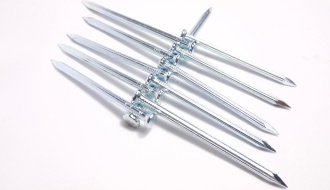
Smooth Concrete Nails are directed toward hard concrete and brick-wall applications. Qinjia Concrete Nails use heat-treated high-carbon steel and are listed in lengths from 1 to 8 inches and diameters from 2.0 to 5.5 mm. Zinc plating, bluing, and phosphating are available finish directions. Shank style, surface treatment, masonry condition, and installation method still need review. Buyers comparing concrete fastening options should also describe exposure conditions, because a requested coating does not correct an unsuitable nail, tool, or substrate combination.
Brad Nails for Furniture and Finish Work
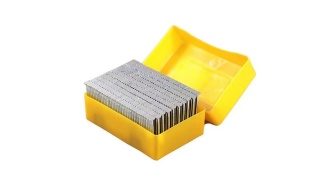
18GA F Brad Nails serve furniture, frames, joinery, and finishing work, where controlled placement and a smaller entry mark matter. Qinjia lists 18GA sizes from 10 mm to 50 mm and 16GA sizes from 25 mm to 64 mm, using low- or medium-carbon steel with zinc-plated or copper-plated finish options. Common gauges include 18GA and 16GA, but Brad nails are not load-bearing fasteners. Their role contrasts with wood to concrete connections: the buyer selects gauge and length for the timber thickness and nailer, then plans how the entry holes will be finished.
What Should Be Checked Before Ordering Fixings or Fasteners?
Start With the Substrate and Connection
Record the attached material, receiving substrate, expected movement, and whether the connection is structural, semi-structural, or cosmetic. A furniture joint, trim installation, and stud-to-concrete connection may all use nails, but they require different product families. When a brief involves wood to concrete connections, identify the wood member, concrete condition, tool, and required seating result before requesting sizes. This first step removes unsuitable products early.
Check Gauge, Length, Shank, and Tool Compatibility
The specification should state gauge or diameter, length, shank style, head, surface treatment, collation format, and tool model or type. Pneumatic, gas-actuated, powder-actuated, and hand-driven systems are not interchangeable descriptions. Test the proposed pneumatic nail gun fasteners with the actual tool and representative materials. A short controlled run can expose misfeeds, bending, excessive penetration, surface damage, or inconsistent seating before a larger order reaches the jobsite.
Plan Handling, Inspection, and Reorder Information
Keep the product name, dimensions, application, tool compatibility, collation, and package quantity together as cartons move through distribution. Receiving staff should inspect fastener shape, surface, and collation for visible damage before release. Record the approved product and installation conditions by connection. That information makes a reorder more reliable and prevents a crew from relying on a vague description such as “the nails used last time.”
Before releasing a bulk order, run a representative sample and record five checks: the fastener feeds without force, the head or crown seats without damaging the fixture, the shank does not bend, the substrate shows no unacceptable spalling or edge failure, and the result is repeatable across several installations. If one check fails, review the tool model, fastener dimensions, fixture thickness, substrate condition, and driving settings before changing only the fastener length.
For supplier approval, request the confirmed material and finish, dimensional inspection results, outgoing inspection records, and packing list. Qinjia describes a quality process covering incoming material through shipment, with random sampling and final inspection. SGS/BV inspection or customer-specific testing can be coordinated when required; acceptance limits should follow the project specification or approved sample.
Conclusion: Choose the Installation, Then the Fastener
Use the Broad Term Carefully
Fastener names the joining element; fixing often covers the broader securing method. Starting with that distinction keeps purchasing conversations focused on the actual connection rather than regional vocabulary. It also gives collated fasteners a clear place in the discussion: they are joining elements supplied in a tool-feed format.
Match the Product to the Substrate
ST nails, concrete nails, and Brad nails serve different materials and connection roles. Confirm the substrate, attached material, tool, and required result each time the task changes. No product should move from masonry work to finish work, or the reverse, only because both applications use a nail-shaped fastener.
Treat Collation as Part of the Workflow
Collated fasteners can support organized loading and repeated feeding when the pack and tool agree. Verify gauge, length, angle, head, and collation, then inspect a representative installation. This links the purchasing specification to the way the crew will load, drive, check, and reorder the product.
Contact Qinjia About Jobsite Fasteners
Describe the Materials and Connection
Share the attached material, substrate, intended connection, exposure, and whether the work is structural, finishing, or service-related.
Confirm the Tool and Fastener Format
Provide the tool type or model and the required gauge, length, shank, surface treatment, and collation format.
Discuss a Suitable Product Range
Use the Qinjia contact page to discuss fastener options for the stated jobsite conditions. Include the attached material, substrate, connection role, tool model, dimensions, finish, package quantity, and sample requirement so the supplier can review a measurable specification.
FAQ
Are Fixings and Fasteners the Same Thing?
They overlap in everyday construction language, but a fastener usually means the joining element, while a fixing can mean the complete securing method. In a purchasing brief, define the substrate, attached material, tool, and connection requirement instead of relying on either broad term.
What Are Collated Fasteners Used For?
Collated fasteners are used with compatible tools that feed nails, staples, or similar items from a strip, coil, or other arrangement. They suit repeated installation where organized loading is useful, provided the gauge, length, angle, head, and feed format match the tool and application.
Can Brad Nails Replace ST Nails or Concrete Nails?
No. Brad nails mainly serve furniture, frames, joinery, and finishing, while ST nails and concrete nails address harder substrates and different connections. Choose among them by material, tool, and connection role; their shared nail form does not make them interchangeable.

 Consult
 Whatsapp
 Leave Message
 top
top