


Related news
Direct Fastening System Guide: Nails, Pins, Screws and Staples
A direct fastening system is not one universal device. It is a combination of a fastener, a compatible tool or installation method, and a base material. Nails, pins, screws, and staples have different names because they solve different joining problems. The practical way to choose is to begin with the materials being connected, then select the fastener and tool together.
Qinjia develops and manufactures construction and woodworking fasteners for distributors and engineering buyers. Its range covers concrete nails, ST nails, brad nails, staples, gas drive pins, pipe hook nails, and drywall screws. That range reflects the central rule of fastening: similar-looking metal parts can have very different jobs.
What Is Included in a Direct Fastening System?
The system includes more than the item left in the wall or workpiece. The driving method and the condition of the substrate influence the result.
Fasteners
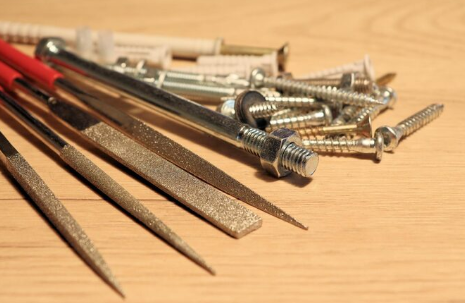
Direct fastening devices include nails driven by a hammer or pneumatic tool, pins driven by gas or another approved power source, screws installed through rotation, and staples driven across a wider crown. Each shape controls how force is transferred into the joint.
Names alone are not enough. The buyer also needs the material, heat treatment, thread or shank, dimensions, surface finish, and intended application.
Tools and Power Sources
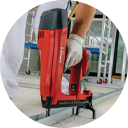
Installation may use a hammer, pneumatic nail gun, gas-actuated tool, screw gun, or stapler. The tool determines which fastener format it can feed and how the driving energy is controlled.
Direct fastening tools and fasteners should be specified as a pair. Loading a fastener because it appears to fit can cause feed problems, poor seating, damage, or unsafe operation.
Base Materials and Installation Conditions
Concrete, brick, steel, timber, gypsum board, upholstery, and thin panels respond differently to fastening. Surface hardness, thickness, edge distance, moisture, and whether the material is solid or hollow all matter.
A direct fastening system for concrete should be trialed on a representative area. A fastener selected for solid concrete may behave differently in hollow masonry or near a weak edge.
Nails for Concrete, Masonry and Framing
Nails remain a broad family. Their material and shank design separate general fixing, hard-base installation, structural stud work, and fine finishing.
Concrete Nails for Hard Masonry
Concrete Nails are made from heat-treated high-carbon steel for hard concrete and brick walls. Qinjia lists lengths from 1 to 8 inches and diameters from 2.0 to 5.5 mm, with finishes including zinc plating, bluing, and phosphating.
The required size depends on the fixture and substrate. A concrete fastening system should not rely on maximum length alone; excessive penetration or work near an edge can damage the base.
ST Nails for Stud Fixing
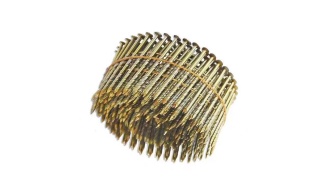
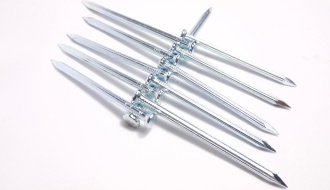
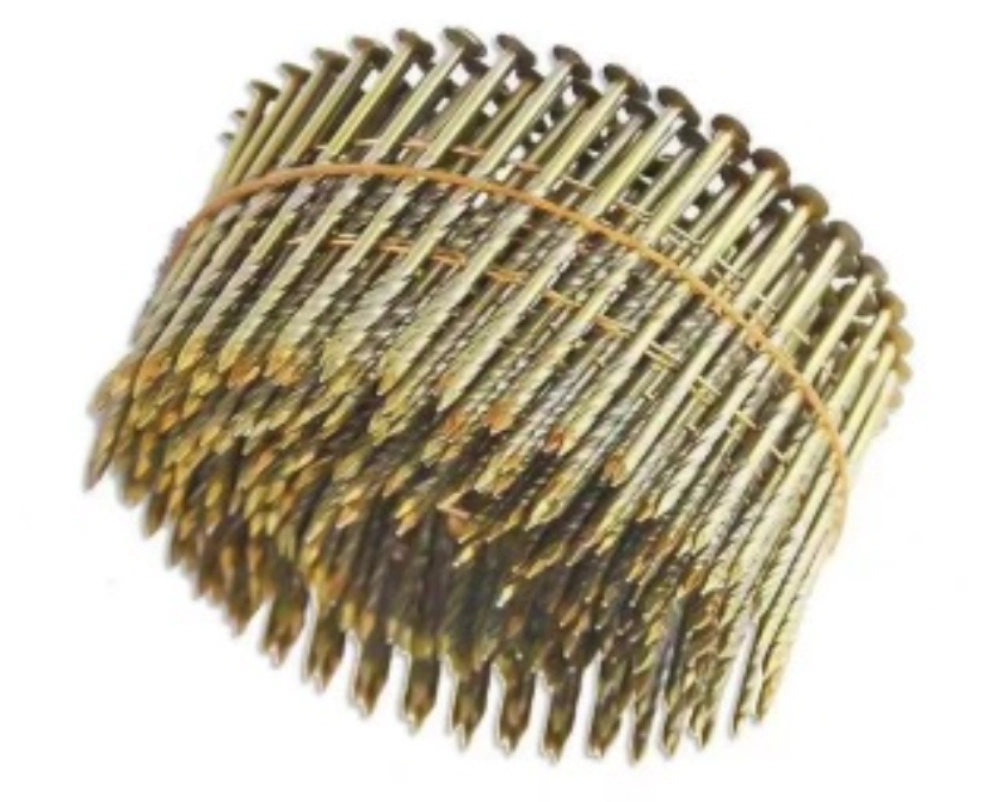
ST nails are used with pneumatic nail guns to secure wood or light steel studs to concrete or brick. They use heat-treated 45# steel, a thicker shank, and a different driving system from gas drive pins.
They should not be treated as ordinary wood-to-wood nails. The installer must confirm tool compatibility, substrate, stud thickness, nail length, and seating before repetitive work begins.
Brad Nails for Fine Wood Finishing
Brad nails are thinner finishing fasteners used for furniture, frames, and joinery. Common options include 18GA and 16GA. Their small profile helps reduce visible holes, but they are not intended for structural load-bearing joints.
This distinction is important when naming direct fastening devices. A brad nail may be ideal for trim yet unsuitable where the connection must carry framing loads.
Pins, Screws and Staples Have Different Jobs
Pins emphasize rapid hard-base fastening, screws provide a threaded connection, and staples spread holding force across a crown. Their installation and removal behavior are different.
Gas Drive Pins for Steel and Concrete
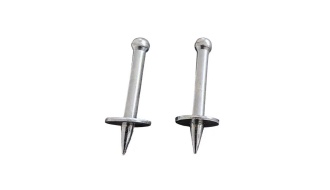
Gas Drive Pins work with compatible gas-actuated nail guns for fastening into steel and concrete. The system also needs a suitable gas canister and tool accessories.
Gas drive pins can improve repetitive installation speed, but speed does not remove the need for compatibility and substrate checks. Pin series, fixture thickness, edge distance, and tool condition still control the result.
Drywall Screws for Board-to-Stud Connections
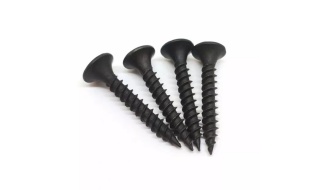
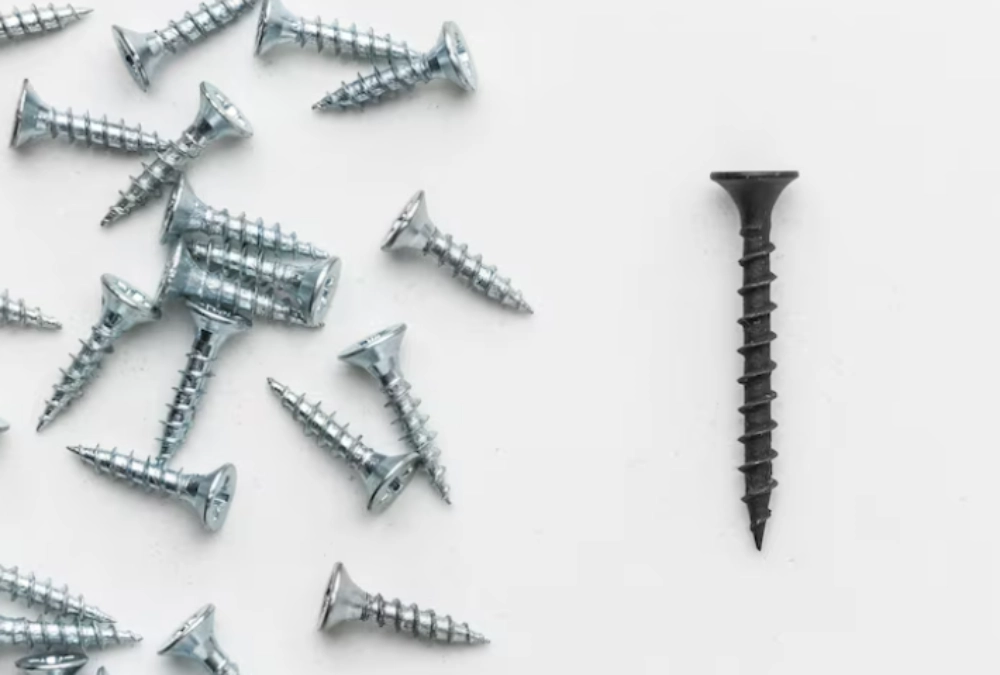
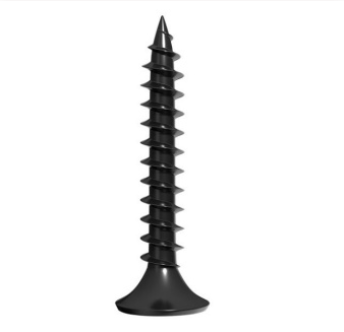
Drywall Screws connect gypsum board to studs. Coarse threads are used for wood studs, while fine threads are used for steel studs. The thread choice is therefore part of the material decision.
A screw also allows controlled rotational installation. The head should seat without tearing the board face, and the screw length should suit the board and supporting stud.
Staples for Upholstery, Woodworking and Thin Boards
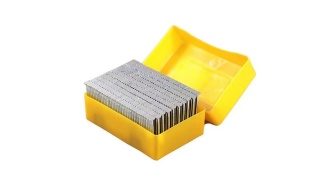
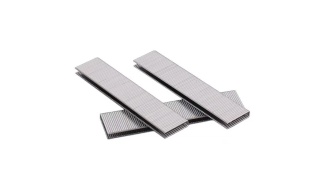
Staples are used for upholstery, woodworking, thin board fixing, and packaging. The crown spreads force over a wider area than a single nail, while the two legs enter the material.
Gauge, crown width, leg length, and stapler compatibility must be checked together. For harder wood, a sample test can show whether the staple bends, sits proud, or damages the surface.
Readers comparing these categories can continue with Qinjia’s guide to fasteners used with direct fastening tools. It extends the tool-and-fastener matching logic without turning every device into the same product.
Choose the System by Material and Jobsite
The most useful selection question is not “Which fastener is strongest?” It is “Which complete system suits this connection, tool access, and installation condition?”
Wood-to-Concrete Connections
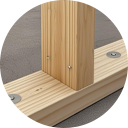
Wood studs fixed to concrete may use compatible ST nails or another approved hard-base method. Check wood thickness, concrete condition, required embedment, tool access, and whether the connection is structural or only supports interior finishing.
For repeated work, direct fastening tools and fasteners should be tested together and recorded by model. This prevents a later crew from changing one component without reviewing the system.
Steel-to-Concrete Connections
Steel-to-concrete work can use compatible drive pins where the fixture, substrate, and tool permit. Thin steel track and heavier fixtures do not create the same demand, so fixture thickness should appear in the specification.
A sample should be inspected for full seating, fixture deformation, concrete spalling, pin bending, and edge damage. Local jobsite rules and tool instructions remain controlling requirements.
Woodworking, Furniture and Interior Finishing
Brad nails and staples suit many woodworking and upholstery tasks because they leave a smaller visible area or spread force over a crown. Drywall screws serve board-to-stud installation, while ST nails address stud-to-hard-base fixing.
Separating these roles makes a direct fastening system easier to buy. It also prevents finishing fasteners from being described as structural products without evidence.
Conclusion
Name the Fastener by Its Function
Nails, pins, screws, and staples describe different ways of entering and holding material. Use the product name together with its dimensions, material, tool, and application.
Match the Tool and Base Material Before Ordering
A direct fastening system only works as intended when the fastener, tool, fixture, and substrate are compatible. Samples are useful when the base material or tool combination is unfamiliar.
Separate Structural Fixing From Finishing Work
Concrete fastening system requirements, stud fixing, drywall installation, furniture trim, and upholstery should not share one vague specification. Clear separation improves purchasing and jobsite control.
Contact Qinjia About Direct Fastening Products
Provide the connection materials, tool model, fastener dimensions, installation environment, quantity, and sample needs through Qinjia’s contact page. A complete brief helps review the direct fastening system before a bulk order is released.
FAQ
What Are the Main Types of Direct Fastening Devices?
The main direct fastening devices include nails, drive pins, screws, and staples. Each category has different tools, geometry, holding behavior, and suitable materials.
Are Concrete Nails and Gas Drive Pins Interchangeable?
No. Concrete nails and gas drive pins use different installation methods and must be matched to the intended tool, fixture, and substrate. They should not be substituted because their applications appear similar.
Which Fastener Is Used for Drywall and Interior Finishing?
Drywall screws are used for gypsum board to wood or steel studs, with thread type selected by stud material. Brad nails and staples suit selected trim, furniture, and upholstery work, but their exact use depends on the joint and tool.

 Consult
 Whatsapp
 Leave Message
 top
top