


Related news
How to Choose the Right Roofing Nail Size for Shingles and Underlayment
A wrong Roofing Nail size may not fail on the first day. The problem often appears later: shingles begin to lift, underlayment loses a tight hold, or roof edge parts loosen after wind and rain. For contractors and fastener buyers, this means rework, complaints, and wasted stock. The right roofing nails should be selected by roof layer thickness, deck material, shank type, and the actual fastening area. Standard shingle nailing and concrete roof edge fastening are not the same job, so they should not be handled with one product.
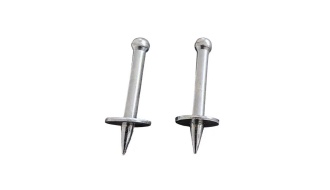
Qinjia manufactures metal fasteners for construction and woodworking use, including concrete nails, ST nails, drive pins, screws, brad nails, and staples. For roofing-related work, its 14 Gauge Concrete T nails, Concrete nails smooth shank, and concrete nails spiral are more suitable for roof support areas involving concrete, brick, masonry, battens, frames, and roof edge structures. They should be treated as structural or support fasteners, not as a direct replacement for every standard asphalt shingle nail.

What Roofing Nail Size Do Shingles and Underlayment Actually Need?
Before choosing a nail, look at the roof as a layered system. Shingles form the outer cover. Underlayment sits below them as a secondary water barrier. Under that is the roof deck, often plywood, OSB, or another structural board. Some roofs also include concrete parapets, masonry edges, battens, or support frames.
This is why many contractors search what size roofing nails for shingles before ordering. They are not only asking for a length number. They need to know whether the nail can pass through the roofing layers and hold firmly in the deck without damaging the surface.
Roof Layer Thickness and Fastening Depth
The first check is total material thickness. Thicker shingles, extra underlayment layers, or roof-over work may require a longer nail than a basic new roof. A proper Roofing Nail should be long enough to pass through the shingle and underlayment and still anchor securely into the deck.
Roof Deck Material and Holding Strength
A wood roof deck and a concrete edge do not need the same fastening method. Standard roofing nails belong mainly to shingle and deck fastening. Concrete nails and T nails are better used around roof edges, battens, masonry walls, and support structures.
Weather Exposure and Wind Pressure
Wind often tests the roof edge first. If the nail is too short, too thin, or poorly matched to the substrate, movement can start at the exposed parts of the roof. Buyers should check nail length, shank type, finish, and installation method before confirming bulk orders.
How Should You Match Roofing Nail Length, Gauge, and Shank Type?
A proper roofing nail should match three jobsite details first: total roof layer thickness, deck material, and the force the fastening point must resist. Catalog pictures are not enough. A nail that fits a light shingle layer may not work for thicker underlayment, roof-over work, or concrete edge support.
The right roofing nail length for underlayment depends on the full material stack, not the underlayment alone. If extra layers are added, nail length may need to change.
Nail Length for Secure Penetration
A quick field check should focus on roofing nail penetration depth for roof deck, because shallow fastening is one of the main reasons shingles loosen later. If the nail only grips the upper layer, the roof may look finished but lack real holding strength.
Gauge Selection for Strength and Stability
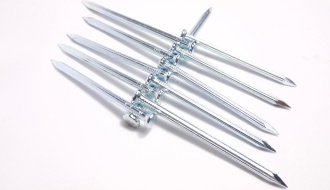
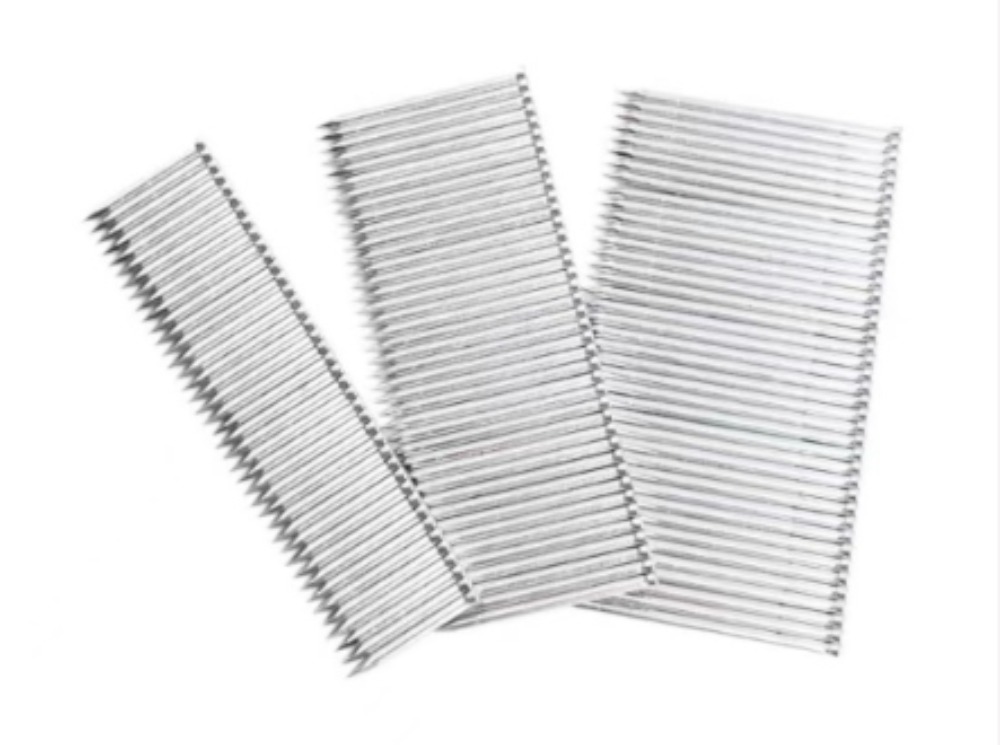
Gauge affects stiffness and holding performance. Thicker nails can provide stronger support in demanding areas, but they must still match the tool and substrate. For example, 14 Gauge Concrete T nails are designed for T-nailer systems and harder substrates such as concrete, masonry, and steel-related support areas.
Shank Type for Different Grip Needs
For buyers comparing smooth shank vs spiral shank concrete nails, the real question is whether the job needs easier driving or stronger grip. Smooth shank nails are practical for regular fixing. Spiral shank nails are more suitable when the fastening point needs better holding stability.
When Do Roofing Projects Need Concrete or Masonry Fastening?
Many roofing jobs are not limited to shingles and underlayment. Roof edges, parapets, support battens, furring strips, plywood support, and light metal frames may need to be fixed into concrete, brick, or masonry. This is where Qinjia’s concrete fastening products fit naturally.
Concrete nails for roof edge fastening should be treated as a support-structure solution, not as the standard nail for every shingle surface.
Standard Shingle Nailing vs Structural Edge Fixing
Start by separating the job into two parts. Standard shingle nailing belongs to the roof deck. Concrete edge fixing, batten fixing, masonry fastening, and support frame installation belong to structural fastening. This separation helps contractors avoid using one nail type for two very different tasks.
Concrete and Brick Roof Edge Areas
For concrete or brick areas around the roof, the fastener must bite into a much harder substrate than wood. A smooth shank concrete nail may be enough for regular fixing. A spiral concrete nail may be better when the buyer wants stronger grip.
Tool Compatibility for Pneumatic Installation
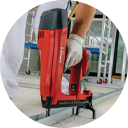
If the installation team uses compatible nail guns, T nails can improve jobsite rhythm in repeated fastening work. Tool compatibility should be checked before ordering, especially for distributors supplying several contractor groups.
Which Qinjia Products Fit Different Roofing Support Needs?
Qinjia’s three recommended products should be positioned by application, not only by name. Buyers should consider substrate, installation method, holding requirement, and purchasing budget before making a final choice.
|
Qinjia Product |
Use It When |
Do Not Position It As |
|
14 Gauge Concrete T nails |
The project needs pneumatic fastening into concrete, masonry, or steel-related support areas |
A universal nail for every shingle surface |
|
Concrete nails smooth shank |
The job needs regular concrete or brick fixing with easier driving and cost control |
A high-grip fastener for all wind-prone areas |
|
concrete nails spiral |
The job needs stronger grip around roof edges, masonry, or support frames |
A direct replacement for all standard roofing nails |
14 Gauge Concrete T Nails for Pneumatic Structural Support
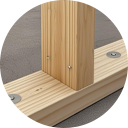
14 Gauge Concrete T nails should be positioned for structural fastening around the roofing system, not for every exposed shingle surface. They are more suitable when wood battens, furring strips, plywood, or light metal parts need to be fixed into concrete, masonry, or steel-related support areas with a compatible T-nailer.
Concrete Nails Smooth Shank for General Fixing
Concrete nails smooth shank fit standard concrete or brick fixing around roof support work. They are easier to explain to hardware buyers because the use case is simple: regular fixing, easier driving, and controlled cost for common masonry-related construction tasks.
Concrete Nails Spiral for Stronger Grip
Concrete nails spiral should be recommended when the buyer cares more about grip than basic driving speed. Around exposed roof edges, masonry connections, or support frames, the spiral shank can help improve holding stability in suitable substrates.
How Can Buyers Confirm the Right Roofing Nail Before Ordering?
For importers, distributors, and contractors, size is only the first filter. The next checks are finish, packing, tool compatibility, and whether the fastener matches the substrate used by local installers.
Before placing a bulk order, buyers should confirm four details with the installer or project team: the roof deck material, the total thickness of shingles and underlayment, whether concrete or masonry edges are involved, and what tool will be used on site. A nail that fits one roof layer may not fit another substrate. This is especially important for distributors supplying mixed construction projects, because standard shingle fastening and concrete edge fastening often appear in the same roofing job but require different fastener types.
Substrate, Length, Gauge, and Finish Checklist
Check whether the application is wood deck fastening, concrete edge fixing, brick wall fixing, or masonry support work. Then confirm nail length, gauge, shank type, surface finish, and installation tool.
Packaging and Bulk Supply Requirements
Bulk buyers should also confirm packing style, carton requirements, labeling needs, and whether OEM packaging is required for local hardware or contractor channels.
Service and Contact Support from Qinjia
Here is a Simple Selection Rule for picking roofing nails: Use standard roofing nails for attaching shingles and underlayment to wood roof decks. Use Concrete nails smooth shank for normal fixing to concrete or brick around roof supports. Use concrete nails spiral shank for extra holding power around edges and masonry connections. Use 14 Gauge Concrete T nails for repetitive pneumatic nailing into concrete, masonry or steel related roof support structures.
Pre-prepare information for your order if it includes different types of roof decks, concrete finished edges, masonry walls, or tool-based installation. This includes information on the type of substrate, required nail length, shank type, surface finish and packing method. This information can be used by our sales team and technical team to match up samples with the contact stock, and also to confirm whether smooth shank, spiral shank or 14 Gauge Concrete T nails are required for your project.
FAQ
Q: What size Roofing Nail should be used for shingles and underlayment?
A: The size of the roofing nail that you will need depends on the thickness of your shingles, the number of layers of underlayment that you have, and the type of roof deck that you have. The nail should go through all of the layers of roofing and hold well in the roof deck. If you have concrete or masonry roof edges that you will be fastening, you will need to select a different type of fastening product for concrete masonry.
Q: Can concrete nails be used as roofing nails?
A: No, Concrete nails are not the standard fastener for every shingle surface. Concrete nails are better suited for the support of roofs such as fixing battens and strips, roofing frames, masonry roof edges and fixing of wood to concrete.
Q: Which Qinjia product is better for roof edge fastening?
A: For pneumatic fastening into concrete, masonry, or steel-related support areas on your roof, 14 Gauge Concrete T nails are the better choice. For regular concrete or brick fixing, Concrete nails smooth shank are more suitable. For fixing with stronger grip on exposed roof edge or masonry connections, concrete nails spiral are more suitable.

 Consult
 Whatsapp
 Leave Message
 top
top