


Related news
Common Fastener Mistakes To Avoid in Summer Construction Projects
Summer construction work usually moves under pressure. Crews want to finish before rain, buyers need stock ready before the busy season, and materials may sit on hot or humid jobsites longer than planned. In this situation, small Fastener Mistakes can create real trouble: loose fixing, rust marks, broken nails, stripped screws, slow installation, or complaints from contractors after delivery.
For buyers asking how to choose fasteners for summer projects, the answer should start from the jobsite, not from a product list. What material is being fixed? What is the base surface? Will the area stay dry, or will it face rain and humidity? What tool will the crew use?
Qinjia supplies metal fasteners for construction, renovation, woodworking, and building fixing work. For summer projects, its Drywall screw, Concrete nails smooth shank, and PD drive pins cover three common needs: interior partition work, concrete or masonry fixing, and faster repeated fixing on concrete buildings or formwork. Each product fits a different job, so the goal is not to buy one fastener for every site. The goal is to match the fastener with the substrate, exposure level, and installation method.

Why Do Fastener Mistakes Happen More Often in Summer Construction Projects?
Summer projects often combine several work areas in a short schedule. A contractor may handle drywall, concrete repair, masonry fixing, temporary formwork, and finishing work during the same project period. Most Fastener Mistakes happen when buyers treat these different jobs as one general fastening need.
Heat, Moisture, and Outdoor Exposure
Hot weather, humidity, and sudden rain make weak choices show up faster. A fastener stored in a damp place may begin to discolor. A low-suitability finish may not hold up well in semi-open jobsite conditions. A screw chosen only by length may fail to match the stud material. Summer does not change the basic fastening rule, but it gives less room for poor selection.
Rushed Buying and Mixed Inventory
During peak season, buyers may reorder old stock without checking the new project requirement. Similar-looking screws, nails, and pins may also be packed or stored together. This creates risk for distributors serving several contractors. Clear labels, correct carton marks, and sample confirmation can reduce wrong dispatch before goods reach the site.
Different Substrates on One Site
Drywall, wood studs, steel studs, concrete walls, brick surfaces, and formwork all need different fastening choices. A drywall screw should not be used as a general concrete fastener. A concrete nail should not replace a drive pin where repeated fixing speed is the main concern. A drive pin should not be ordered before confirming the tool and base material.
What Fastener Mistakes Should You Avoid in Drywall and Partition Work?
Drywall work looks simple from a distance, but the wrong screw can slow installation and affect the surface finish. For summer renovation work, drywall screw selection should start with the stud material, then move to thread type, head style, finish, and tool matching.
Wrong Thread for the Stud Material
One common mistake is using the same drywall screw for both wood and steel framing. Qinjia Drywall screw offers coarse thread, fine thread, and Hi-Low thread options. Coarse thread is usually used for wood stud applications, while fine thread is more suitable for steel stud systems. Before placing a bulk order, buyers should confirm the wall system instead of only checking screw length.
Poor Head and Recess Matching
A screw may slip, strip, or damage the board surface if the recess does not match the driving bit. This is a practical issue for importers supplying different crews or regional markets. Checking head type and recess type before shipment helps reduce complaints about difficult driving or poor finish.
Finish Chosen Without Site Conditions
Even interior work may face moisture during summer, especially before windows, doors, or air-conditioning systems are fully installed. Phosphate, zinc plated, or coated finishes should be selected based on storage and site conditions. Not every project needs a heavier finish, but finish should not be ignored during procurement.
Which Fastener Mistakes Cause Problems in Concrete and Masonry Work?
Concrete and masonry work leave little room for guessing. Hard base materials need suitable hardness, point design, shank size, and finish. These Fastener Mistakes often lead to bending, weak holding, surface cracking, or slow installation.
Light-Duty Nails on Hard Surfaces
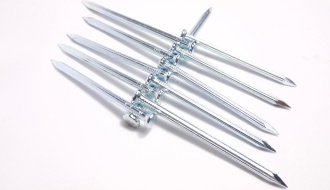
Concrete, brick, and masonry require fasteners that can enter the surface without bending too easily. Qinjia Concrete nails smooth shank are designed for concrete, brick, and masonry fastening. They are suitable for fixing wooden strips, battens, frames, and auxiliary components onto concrete walls or masonry surfaces.
Size Selected by Eye Only
Concrete nails for masonry fastening should not be selected only by rough visual comparison. A nail that is too short may not hold well. A nail that is too long or too thick may damage the base surface or waste material. Buyers should check shank diameter, length, head type, point type, finish, and packing before confirming a bulk order.
Finish Ignored for Humid Areas
Summer concrete and masonry projects often include outdoor walls, semi-open renovation areas, or damp storage conditions. If the fastener will face humidity before or after installation, finish selection matters. Galvanized or coated options are worth checking when corrosion resistance is a project concern.
How Can Buyers Avoid Fastener Mistakes in High-Speed Jobsite Fixing?
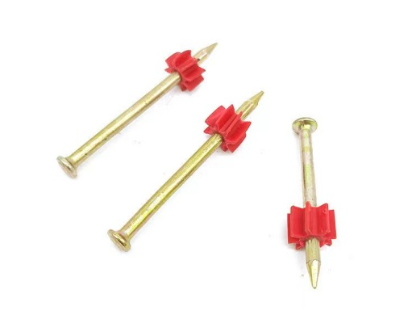
Fast installation matters during summer because crews often work around heat, rain, and tight schedules. Still, speed only helps when the pin, tool, and base material match. For repeated fixing on concrete buildings, PD drive pins are worth checking when the crew needs faster installation and consistent tool use.
Manual Fixing for Repeated Concrete Work
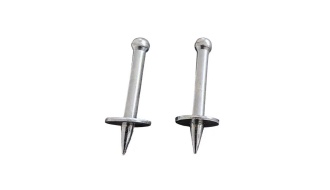
For repeated fixing in concrete buildings or formwork, hand fixing may take too much time and create inconsistent results. Qinjia PD drive pins are used for fixing building formwork and items on concrete buildings. They are a practical option when the project needs repeated fastening and the correct tool system is available.
Tool Match Checked Too Late
PD drive pins should be selected with the tool system in mind. Buyers need to confirm shank diameter, length, head type, point type, surface finish, and tool compatibility before purchasing. A suitable pin can still perform poorly if it is paired with the wrong tool or the wrong base material.
Sample, Packing, and Label Checks
For importers and distributors, the fastener itself is only one part of the order. Summer projects often need several sizes and product types in the same shipment, so packing marks and sample confirmation matter. Before bulk production, buyers can confirm carton labels, size markings, finish samples, and tool compatibility notes. This is especially useful when Drywall screw, Concrete nails smooth shank, and PD drive pins are ordered together for different contractors or jobsite areas.
|
Project Area |
Better Product Match |
Fastener Mistake To Avoid |
What Buyers Should Confirm |
|
Drywall and interior partitions |
Drywall screw |
Using the same screw for wood studs and steel studs |
Thread type, head style, recess, finish, length, packing |
|
Concrete, brick, and masonry fixing |
Concrete nails smooth shank |
Choosing a nail only by length |
Shank size, point type, head type, finish, application surface |
|
Concrete buildings and formwork |
PD drive pins |
Buying pins before checking tool compatibility |
Tool match, shank diameter, length, head type, point type, packing |
|
Mixed summer renovation orders |
Product combination by job area |
Mixing similar-looking fasteners in one order |
Labeling, carton marks, sample confirmation, storage condition |
A fastener buying checklist for contractors helps catch wrong sizes, unsuitable finishes, and tool mismatch before goods are packed or shipped.
How Should You Build a Better Fastener Purchasing Plan for Summer Projects?
A useful summer purchasing plan should start from the actual job areas on the project list. The goal is not to buy the highest-grade fastener for every task. The goal is to avoid using a drywall screw, concrete nail, or drive pin outside its proper job.
Separate Orders by Work Area
For drywall and partition systems, start with Drywall screw and confirm the stud material first. For concrete walls, brick surfaces, or masonry fixing, check Concrete nails smooth shank by length, shank size, point type, and finish. For repeated fixing on concrete buildings or formwork, review PD drive pins together with the tool model and site material.
Check Specifications Before Bulk Orders
Before confirming a shipment, buyers should check substrate, exposure, tool use, packing, and storage conditions. If one order includes several fastener types, product labeling becomes part of quality control. Clear packing can help warehouse teams, distributors, and contractors avoid mixed stock on busy summer jobsites.
Make the Final Choice by Risk
If the risk is board damage or poor finish, review Drywall screw details first. If the risk is bending, weak holding, or masonry surface damage, review Concrete nails smooth shank. If the risk is slow repeated fixing or tool mismatch, review PD drive pins. This simple split helps buyers avoid Fastener Mistakes and reduces avoidable jobsite complaints.
Service and Contact
Summer projects can change quickly. Drawings, substrates, packing needs, and local tool habits may differ from one buyer to another. If you are preparing a mixed fastener order, send the application details, target market, preferred packing, and any sample or drawing requirements through Qinjia’s contact page. Their team can help check whether Drywall screw, Concrete nails smooth shank, PD drive pins, or another fastener line fits the job better.
FAQ
Q: What Are the Most Common Fastener Mistakes in Summer Construction Projects?
A: The most common Fastener Mistakes are using one fastener type for different substrates, ignoring surface finish, choosing the wrong size, mixing similar-looking stock, and failing to check tool compatibility. These problems become more obvious in summer because heat, rain, humidity, and tight schedules put extra pressure on materials and crews.
Q: Can Drywall screw Be Used for Concrete or Masonry Fixing?
A: No. Drywall screw is made for gypsum board and stud systems. For concrete, brick, and masonry surfaces, Concrete nails smooth shank are more suitable. For repeated fixing into concrete buildings or formwork, PD drive pins may be a better option when matched with the correct tool.
Q: How Should Importers Choose Fasteners Before Bulk Orders?
A: Importers should confirm the application, substrate, size, finish, head type, thread or shank type, tool compatibility, packing, and label details. A sample check is also useful when one order serves several contractors or markets. This reduces wrong stock and helps prevent jobsite complaints.

 Consult
 Whatsapp
 Leave Message
 top
top