


Related news
What Fasteners Are Most Commonly Used with Direct Fastening Tools
A wrong fastener can pull out of concrete, fail to match the tool, damage the base material, or slow down repeated installation work. That is why buyers searching for fasteners used with direct fastening tools usually need more than a list of product names. They need to know which fastener fits concrete, steel, masonry, drywall, or light steel applications, and where each product should not be used.
Qinjia supplies metal fasteners for construction and industrial fastening needs, including drive pins, concrete nails, drywall screws, staples, brad nails, and related products. For contractors, hardware distributors, importers, and project buyers, the key is to match each fastener with the base material, installation method, and stock demand of local customers. This guide explains the most common fasteners for direct fastening tools and shows how Qinjia’s PD drive pins, concrete nails spiral, and Drywall screw fit different jobsite needs.
What Are the Most Common Fasteners for Direct Fastening Tools?
Before choosing a product, buyers should separate tool-based fastening from general construction fastening. Drive pins are commonly used with powered fastening systems. Concrete nails are often used for masonry and flexible jobsite fixing. Drywall screws belong to interior and light steel applications. Mixing these categories can lead to poor fastening results or wrong inventory planning.
Drive Pins Suit Tool-Based Concrete and Steel Fixing
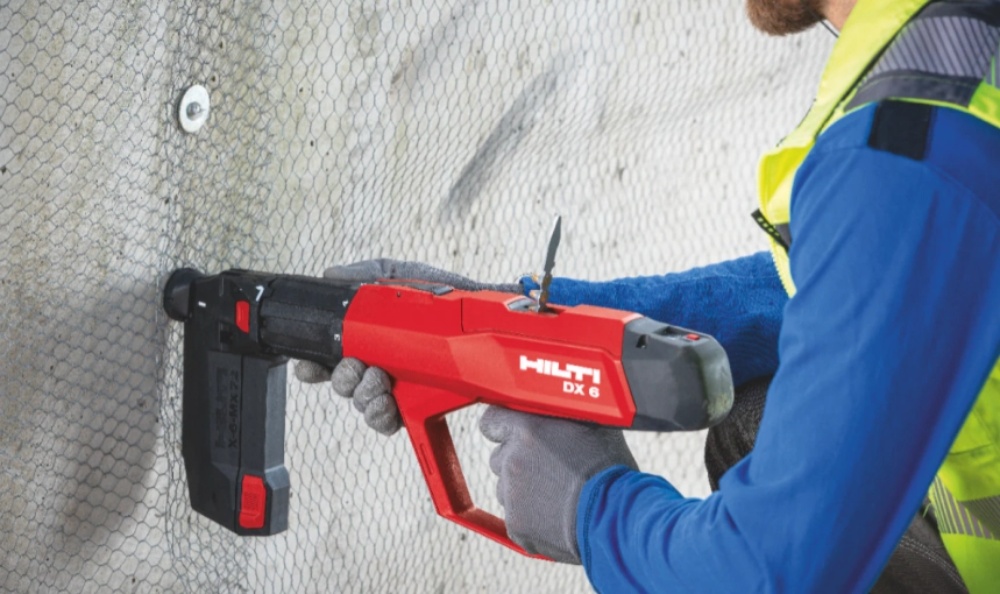
Drive pins are one of the main fastener types used with powered fastening systems. They are selected when installers need faster and repeated fixing into hard base materials, especially concrete structures or steel-related fixing points.
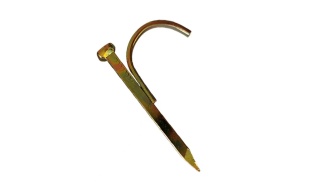
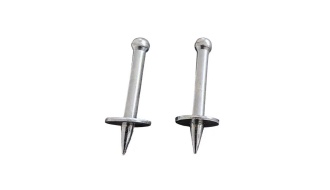
For repeated concrete fixing or formwork-related work, buyers can place PD drive pins in the tool-based fastening category. They are more relevant when installers already use compatible fastening tools and need consumable pins for repeated jobsite installation. Before ordering, buyers should confirm the compatible tool system, base material, fastener length, head style, point type, and packing format.
Concrete Nails Fit Masonry and Flexible Jobsite Fixing
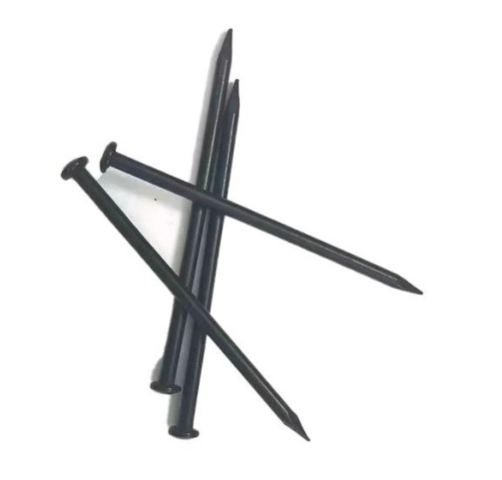
Concrete nails are widely used on concrete, brick, and masonry surfaces. They are useful when the project does not rely on a tool-based fastening system or when workers need a simple fastener for mixed construction tasks.
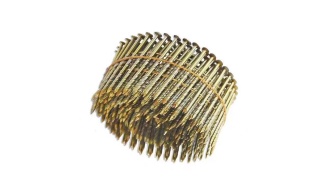
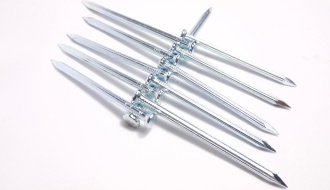
Qinjia’s concrete nails spiral are suitable for concrete, brick, masonry, and wood-to-concrete fixing. The spiral shank design gives buyers a useful option for masonry and wood-to-concrete jobs where stronger holding than a plain shank structure is needed. It is a practical stock item for customers who handle renovation, brickwork, and mixed construction fixing.
Drywall Screws Serve Related Interior Fastening Needs
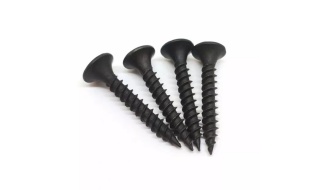
Drywall screws are not core fasteners for direct fastening tools, but they are often purchased by the same construction buyers for interior installation. They are mainly used for drywall boards, light steel plates, and finishing work.
Qinjia’s Drywall screw should be positioned as a related product for interior and light steel fastening. For distributors, it can sit beside PD drive pins and concrete nails in a broader construction fastener range, but its application should stay clearly separated from concrete or steel direct fastening.
How Should Buyers Choose Fasteners for Direct Fastening Tools?
Fastener selection should start with the base material, not the price list. A buyer should first ask what material will be fixed, what base material will receive the fastener, and whether workers will use a powered tool or manual installation.
Substrate Type Comes First
Concrete, steel, masonry, drywall, and light steel framing require different fastening choices. For tool-based concrete fixing, PD drive pins are usually the better starting point. For concrete, brick, masonry, and wood-to-concrete fixing without a powered system, concrete nails spiral may be easier to apply. For drywall boards and light steel plate work, Drywall screw belongs in a separate category.
This is the practical meaning behind how to choose fasteners for direct fastening tools. Buyers should not ask only “What size do I need?” They should also ask whether the fastener matches the substrate, installation method, holding demand, and worker’s tool setup.
Holding Strength and Shank Design
Shank design affects grip and holding stability. Drive pins support faster tool-based installation. Spiral concrete nails add friction for concrete, brick, and masonry work. Drywall screws use thread structure for board and light steel fastening.
A common mistake is buying one fastener type for every construction task. Buyers can classify fasteners by substrate first: PD drive pins for tool-based concrete fixing, concrete nails spiral for masonry and wood-to-concrete work, and Drywall screw for board or light steel installation.
Size, Finish, and Packing Requirements
For B2B purchasing, selection also includes length, diameter, head type, point type, surface finish, and packaging. Contractors may focus on installation efficiency. Distributors may care about market demand, carton packing, and reorder stability.
Before placing a bulk order, buyers should prepare a simple specification checklist. For PD drive pins, confirm the compatible tool system, shank diameter, fastener length, head style, point type, base material, and packing format. For concrete nails spiral, confirm whether the project involves concrete, brick, masonry, wood strips, or renovation fixing. For Drywall screw, confirm board material, light steel plate use, screw length, thread type, and finish requirement. These details help avoid wrong stock, weak fixing, or products that cannot match the installer’s working method.
When Should Buyers Compare Drive Pins vs Concrete Nails for Fastening?
Many buyers search for drive pins vs concrete nails for fastening because both products may appear in concrete-related work. The difference is not only the product shape. It is also the installation method, project scale, and required working speed.
Drive Pins Offer Speed While Concrete Nails Offer Flexibility
Drive pins are better suited for tool-based fastening where speed, repeatability, and consistent installation matter. They are commonly used with compatible fastening tools on concrete or steel-related substrates.
Concrete nails are more flexible for general jobsite use. They are suitable for masonry, brick, concrete, and wood-to-concrete fixing where workers may not rely on a powered fastening system. For renovation, small construction work, or mixed fixing tasks, concrete nails spiral can be easier to manage.
Project Scale Decides Which Fasteners to Stock
A contractor handling repeated concrete fixing may prefer PD drive pins because installation speed affects labor cost. A wholesaler serving mixed construction customers may need both PD drive pins and concrete nails spiral because different users ask for different fastening methods.
Drywall screw should stay in a separate inventory category. It is valuable for interior finishing and board installation, but it should not be sold as a concrete fastening substitute. This distinction helps distributors answer different customer requests without selling one fastener type for every jobsite condition.
| Fastener Type | Better Used for | Not Recommended for | Buyer Note |
|---|---|---|---|
| PD drive pins | Tool-based concrete fixing, formwork-related fastening, concrete building fixing | Drywall board fixing or manual masonry work | Check tool compatibility, base material, length, head type, and packing |
| concrete nails spiral | Concrete, brick, masonry, wood-to-concrete fixing, renovation work | High-speed tool-based installation that requires drive pins | Useful for flexible construction and mixed jobsite needs |
| Drywall screw | Drywall boards, light steel plates, interior installation | Hard concrete fixing or direct replacement for drive pins | Keep it as a separate interior fastening category |
Why Does Direct Fastening Tool Fastener Compatibility Matter?
Direct fastening tool fastener compatibility affects installation quality and safety. If the fastener does not match the tool or base material, the result may be poor penetration, weak holding, surface damage, or wasted labor.
Tool Type and Fastener Match
For buyers using direct fastening tools, fastener length, shank diameter, head design, point type, and suitable base material should be checked before order confirmation. PD drive pins should be selected according to the tool system and concrete or steel fixing needs. The same logic applies across all categories: the fastener must match the working method, not just the general application name.
Base Material and Installation Depth
Concrete hardness, steel thickness, masonry condition, and installation depth can all change the fastening result. If the base material is brittle or uneven, a more suitable fastener type may reduce cracking or weak holding. If the job requires board fastening rather than hard substrate fixing, Drywall screw is more suitable than drive pins or concrete nails.
Common Mistakes That Cause Weak Fixing or Wrong Stock
Wrong selection usually shows up in three ways. The first is tool mismatch, where a drive pin does not fit the installer’s fastening system. The second is substrate mismatch, such as using a drywall screw for hard concrete fixing or using a concrete nail where tool-based speed is required. The third is inventory mismatch, where a buyer stocks only one fastener type but serves customers working on concrete, masonry, steel, and drywall at the same time.
Separating these applications before ordering can reduce returns, complaints, and slow-moving stock. It also helps buyers build a clearer product range for fasteners for concrete and steel fastening applications.
Why Choose Qinjia for Construction Fasteners and Fastening Support?
A simple selection rule can make the decision easier. If the project uses compatible direct fastening tools for repeated concrete or steel-related fixing, start with PD drive pins. If the job involves concrete, brick, masonry, or wood-to-concrete fixing without a tool-based fastening system, concrete nails spiral are usually easier to apply. If the work moves to drywall boards, light steel plates, or interior finishing, Drywall screw should be treated as a separate fastening choice rather than a substitute for concrete fasteners.
Qinjia’s product range helps buyers source several related fastener categories from one supplier. PD drive pins support tool-based concrete fixing. concrete nails spiral support concrete, brick, and masonry fastening. Drywall screw supports interior construction and light steel plate applications. For importers, hardware wholesalers, construction suppliers, and project buyers, this mix helps cover different substrate needs while keeping product use clear.
For projects involving direct fastening tools, concrete work, masonry fixing, or interior installation, buyers often need help checking product type, substrate, packing, and application fit before purchasing. You can share drawings, target applications, packing needs, or market requirements through Qinjia’s contact page so the team can suggest suitable PD drive pins, concrete nails spiral, Drywall screw, or other fastening products for your project.
FAQ
Q: What fasteners are commonly used with direct fastening tools?
A: Common fasteners for direct fastening tools usually include drive pins and other tool-compatible fasteners for concrete or steel-related fixing. In related construction work, buyers may also need concrete nails for masonry and drywall screws for interior applications, but these should be selected according to the substrate and installation method.
Q: How do I know if PD drive pins or concrete nails spiral are better for my project?
A: PD drive pins are more suitable for tool-based fastening where speed and repeated installation matter. concrete nails spiral are more suitable for concrete, brick, masonry, and flexible jobsite fixing. The choice depends on tool availability, base material, holding needs, and project scale.
Q: Why should Drywall screw not be used as a concrete fastening substitute?
A: Drywall screw is designed for drywall boards, light steel plates, and interior installation. It should not replace PD drive pins or concrete nails spiral in hard concrete fixing. Using it in the wrong substrate may cause weak fastening, surface damage, or installation failure.

 Consult
 Whatsapp
 Leave Message
 top
top