


Related news
Easy Guide to Direct Fastening Types and How to Use Them
A direct fastening job can fail for one simple reason: the pin, nail, tool, and base material do not match. A gas drive pin that works well on one concrete wall may bend on a denser surface. A concrete nail that fits small fixing work may not be efficient enough for repeated steel-to-concrete installation. For contractors, distributors, and project buyers, the key is choosing the right product before workers open the box on site.
This guide explains this method from a practical selection angle. It compares Gas drive pins and Concrete nails smooth shank, shows where each option fits, and gives buyers a checklist for concrete, steel, masonry, and wood-to-concrete fixing.
Qinjia focuses on metal fastening products for construction, woodworking, interior finishing, and mixed-material connections. Its range includes drive pins, concrete nails, ST nails, brad nails, staples, pipe hook nails, and drywall screws. For concrete and steel fixing, Qinjia’s Gas drive pins and Concrete nails smooth shank serve two different needs: fast tool-based installation and simpler concrete fastening with lower tool dependence.
What Is Direct Fastening and Why Is It Important?
Before choosing a pin or nail, buyers need to know what the method should do on site. A useful guide should first explain the main fastening types, then connect each option with the substrate, tool, surface condition, and installation volume.
Definition and Types of Fastening
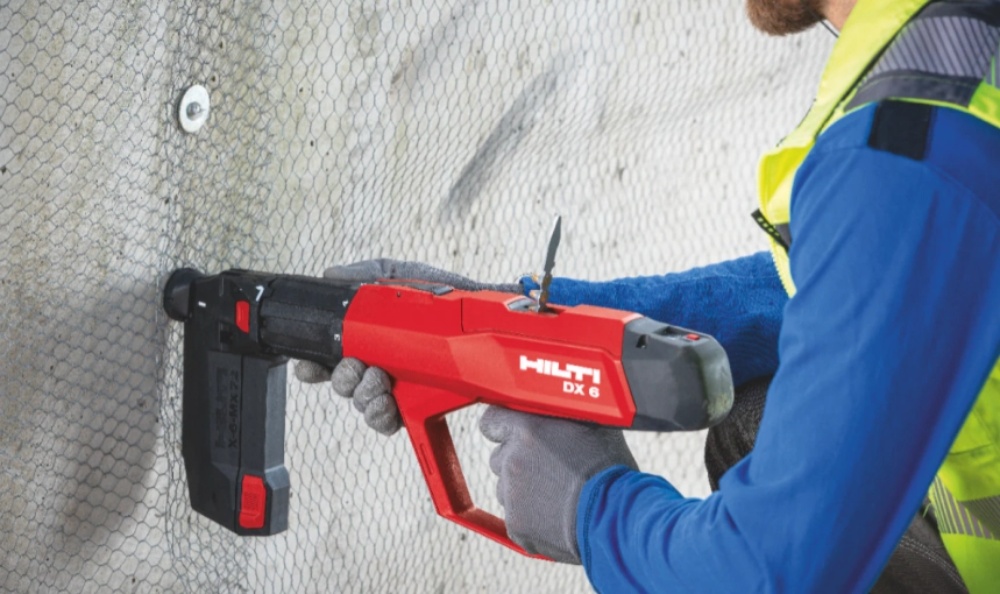
This method drives a nail or pin directly into concrete, masonry, or steel with a suitable tool or impact method. Common product types include gas drive pins, powder actuated pins, concrete nails, and other hardened fasteners designed for specific substrates.
Gas drive pins are usually selected for faster, repeated fixing into concrete or steel. Powder actuated pins are linked with higher impact applications, but they require stricter safety control. Concrete nails are simpler and useful when the job does not need a high-speed tool system.
Key Advantages for Jobsite Work
The main value is reduced preparation. Traditional fixing may require marking, drilling, cleaning, inserting an anchor, and tightening. A direct method can shorten this workflow if the substrate and fastener are correctly matched.
This is useful for fixing metal track, brackets, clips, light components, or wood battens to concrete. For smaller repairs or low-volume installation, a hardened concrete nail can be easier to manage than a full tool-based system.
How Do You Choose the Right Drive Pins for Concrete?
The question of how to choose drive pins for concrete usually depends on three checks: whether the pin can enter the substrate, whether it can hold the fixed part securely, and whether it matches the tool used by workers.
Substrate Hardness and Fixing Material
Concrete is not the same on every site. Old concrete, dense concrete, brick walls, blocks, and hollow areas behave differently. A pin that works well in one wall may fail to penetrate or create weak holding in another wall.
Buyers should first confirm the base material. Then they should confirm what is being fixed to it, such as steel track, wood batten, pipe clip, bracket, or light-duty component. If the fixed material is metal, head style and washer choice may also affect installation quality.
Pin Length, Shank Design, and Surface Finish
Pin length should match the thickness of the fixed material and the required embedment into the base. Too short may reduce holding strength. Too long may cause bending, over-penetration, or unnecessary tool stress.
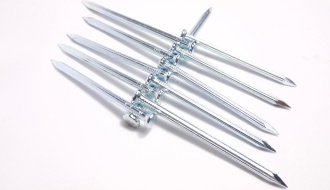
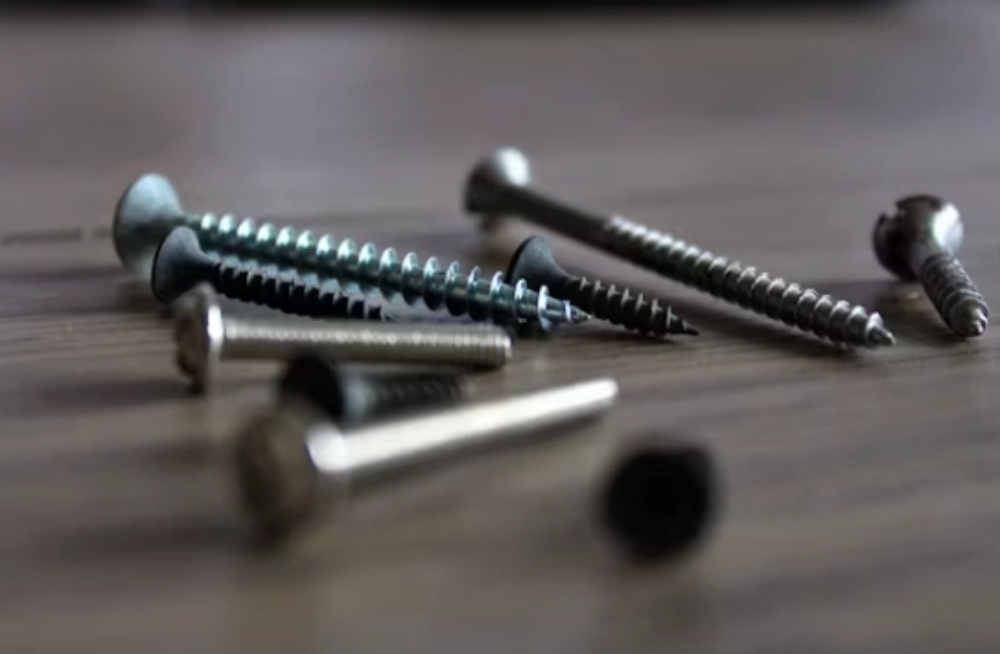
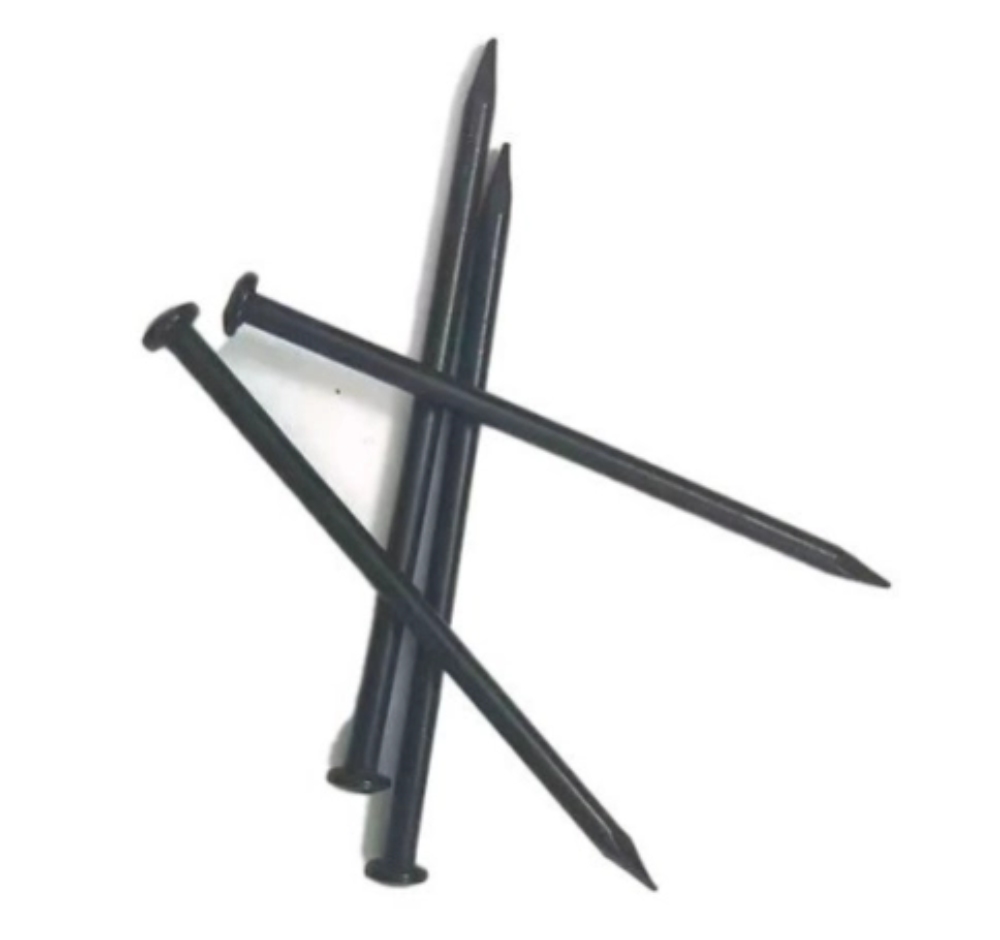
Qinjia Concrete nails smooth shank are made from high-carbon steel with heat treatment and are designed for hard concrete and brick wall fastening. Available choices include lengths from 1″ to 8″, diameters from 2.0 to 5.5mm, and surface finishes such as zinc plating, bluing, or phosphating.
Qinjia Product Fit for Concrete Work
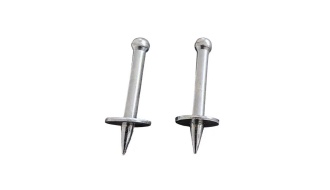
For repeated tool-based fixing, Gas drive pins are suitable for contractors working on concrete or steel substrates with gas-actuated nail guns. Qinjia Gas drive pins are made from high-carbon steel, with common lengths from 12 to 62mm and typical head diameters around 6 to 8mm.
For simpler concrete fastening, Concrete nails smooth shank are practical for masonry, brick wall, concrete wall, and wood-to-concrete applications where users do not want every small job to depend on a gas tool system.
| Project Need | Better Option | Why It Fits |
|---|---|---|
| Repeated concrete or steel fixing | Gas drive pins | Faster with compatible gas-actuated tools |
| Small-volume concrete fixing | Concrete nails smooth shank | Simple use and lower tool dependence |
| Wood-to-concrete fixing | Concrete nails smooth shank | Practical for wall and batten fastening |
| Steel-to-concrete fixing | Gas drive pins | Better for repeated tool-based work |
Gas Drive Pins vs Powder Actuated Pins Which One Should You Use?
The search phrase gas drive pins vs powder actuated pins usually comes from users who know both systems exist but are unsure which one is easier, safer, or more suitable. The answer depends on tool availability, operator training, substrate density, and site rules.
Gas drive pins are commonly used where speed, cleaner operation, and repeated installation matter. They fit many construction and interior fastening tasks, especially where crews want a tool-based method without handling powder loads.
Powder actuated pins are linked with higher impact applications. They may be used for harder substrates, but the work process needs more safety control. Buyers should not treat the two systems as interchangeable. The pin, tool, driving force, and base material must match.
Qinjia’s Gas drive pins are a good fit for buyers serving contractors who work with concrete and steel fixing. If your customer base includes small contractors, renovation teams, or hardware retail channels, Qinjia Concrete nails smooth shank can support everyday concrete fastening needs.
What Mistakes Cause Weak Fastening and How Can You Avoid Them?
Many fastening failures come from poor matching between substrate, fastener, tool, and installation method. Most fastening mistakes happen before installation starts, especially when buyers choose the wrong product for the substrate or tool.
Wrong Fastener for the Base Material
A common mistake is using the same nail or pin for every wall. Concrete, brick, steel, and mixed substrates need different fastening logic. Before ordering, buyers should confirm the main substrate and the fixed material to avoid stocking products that look similar but fail in real use.
Poor Tool and Pin Matching
Tool mismatch can cause misfire, jamming, incomplete driving, or unstable fastening. Gas drive pins should be paired with suitable gas-actuated tools. Powder actuated pins should not be treated as the same product category.
Qinjia can support buyers by matching product types with project use. Clear product matching helps distributors reduce complaints caused by wrong substrate use, wrong tool pairing, unsuitable nail length, or poor surface finish selection.
How Can You Ensure Tool Compatibility and Safe Installation?
A fastening plan should not stop at product name. The buyer also needs to check the tool, site material, packaging preference, and end user installation habits.
Tool Compatibility Checks
A direct fastening tools compatibility guide should start with the tool type. Confirm whether the user works with gas-actuated tools, powder-actuated tools, pneumatic tools, or manual installation. Then match the fastener type, size, and application.
Before bulk orders, buyers should confirm base material, tool type, fastener size, surface finish, packaging, and sample needs. For distributors, these checks help reduce after-sales disputes caused by wrong tool matching or unsuitable nail length.
Selection Summary
Choose Gas drive pins when the job needs repeated fixing into concrete or steel with compatible gas-actuated tools. Choose Concrete nails smooth shank when the work is smaller in volume, mainly into concrete or brick walls, or when the user wants lower tool dependence. If the buyer is unsure about the tool model, base material, or embedment depth, confirm these details before bulk purchasing.
Contact for Project Support
If your project involves concrete walls, steel fixing, wood-to-concrete installation, or mixed fastener purchasing, prepare the base material, tool type, target application, size range, finish, and packaging requirements before sending details. This helps Qinjia recommend whether Gas drive pins, Concrete nails smooth shank, or another fastening product is more suitable. For product matching, samples, or procurement details, use Qinjia’s contact page to share your project information.
FAQ
Q: What is direct fastening used for?
A: It is used to fix materials directly to concrete, masonry, steel, or mixed substrates. In Qinjia’s product range, Gas drive pins are suitable for faster tool-based fixing, while Concrete nails smooth shank are useful for simpler concrete and masonry fastening.
Q: Are Gas drive pins better than Concrete nails smooth shank?
A: They serve different needs. Gas drive pins are better for repeated installation with compatible gas-actuated tools. Concrete nails smooth shank are better for simple concrete fixing, lower-volume work, and users who do not need a full gas tool system.
Q: What mistakes should buyers avoid before ordering fastening products?
A: Buyers should avoid choosing only by appearance or price. They should confirm substrate type, tool compatibility, pin or nail length, surface treatment, packaging needs, and target application before bulk purchasing.

 Consult
 Whatsapp
 Leave Message
 top
top