

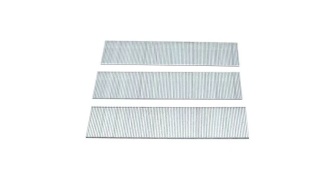

A Practical Guide to Framing Nail Gun Uses and Nail Selection
A framing nail gun can save a lot of labor on wood framing, but the tool itself does not guarantee a strong fixing result. Many jobsite problems start with the wrong fastener: nails that bend, drive too shallow, split wood, rust too early, or fail when used on the wrong substrate. For contractors, distributors, and construction buyers, the better question is not only how the tool works. It is how to match the nail or drive pin with the base material, tool type, finish requirement, and real jobsite use.
Qinjia supplies metal fasteners for construction and woodworking applications, including drive pins, brad nails, staples, concrete nails, and related fixing products. For buyers working across wood, concrete, and steel substrates, the right product family matters. A nail used for wood framing may not be suitable for concrete fixing. A finishing nail may leave a clean surface, but it cannot replace a structural fastener. This guide focuses on practical selection logic rather than tool theory alone.
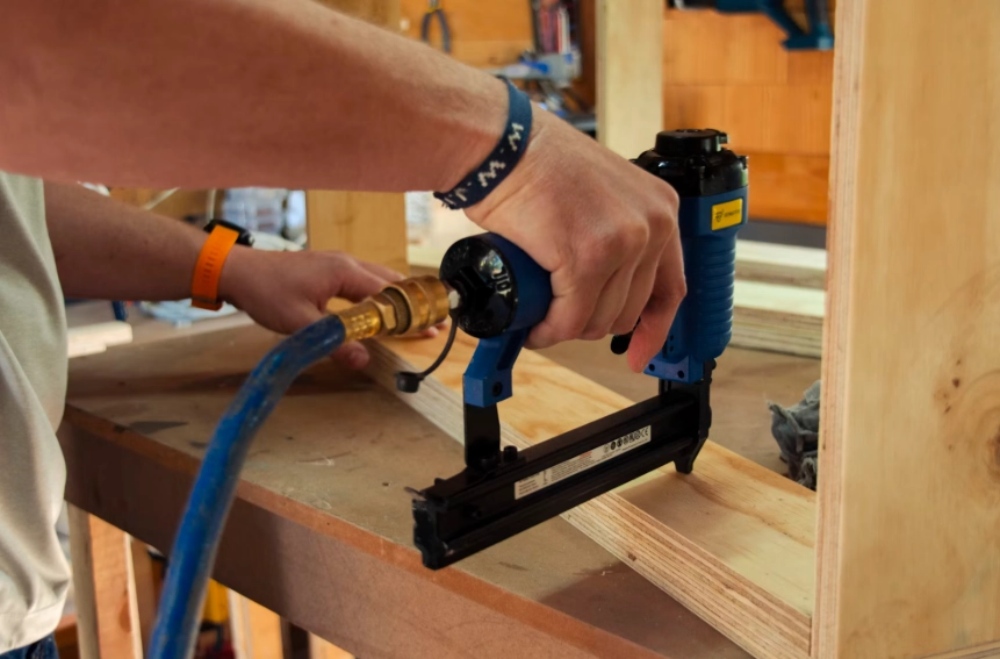
What Is a Framing Nail Gun Used For?
This is usually the first question from new buyers, installers, or distributors building a fastening product range. The answer should be tied to the job, not just the tool name.
Heavy-Duty Fastening for Structural Woodwork
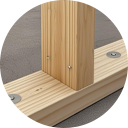
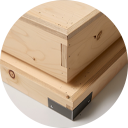
A framing tool is mainly used for structural woodwork, including wall framing, roof framing, floor framing, deck frames, fence structures, sheathing, and subfloor work. These tasks need stronger holding power than trim, furniture, or decorative fixing.
That is why the phrase what is a framing nail gun used for should not be answered with “driving nails” only. It is used for repeated fastening where speed, penetration, and holding strength all matter. If the job only needs light finishing, a smaller nail type may be more suitable.
Faster Assembly on Repeated Jobs
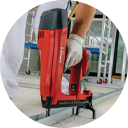
On larger jobsites, workers may need to drive hundreds or thousands of fasteners. Hand nailing slows down assembly and makes driving depth less consistent. A framing tool improves working speed, but it also increases the need for correct fastener matching. A wrong nail can still cause bending, splitting, jamming, or weak holding.
For B2B purchasing, this means the tool, nail length, shank, head, surface treatment, and substrate should be checked together before ordering.
Where Are Its Uses in Construction Most Common?
The value of the tool becomes clearer when you connect it with real construction tasks. Common framing nail gun uses in construction include rough carpentry jobs where appearance is less important than fastening strength and speed.
Wood Framing, Decks, and Fences
For wood-to-wood work, common applications include studs, joists, rafters, deck frames, fence rails, and panel fixing. In these projects, the buyer should check wood thickness, fastener length, coating, and tool compatibility.
Outdoor structures also require more attention to surface treatment. A fastener that works indoors may not be suitable for damp or exposed conditions. A safer purchasing rule is to confirm the base material first, then check tool compatibility, fastener size, and finish.
Formwork and Concrete Building Fixing
Some construction projects move beyond standard wood framing. They may involve formwork, concrete buildings, steel sections, or mixed substrates. In these cases, ordinary framing nails may not be suitable.
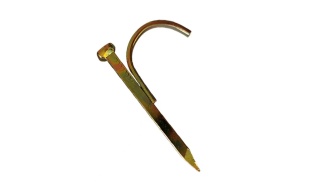
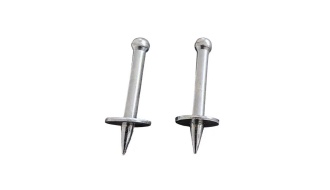
Qinjia PD drive pins are used for building formwork fixing and fixing items on concrete buildings. Qinjia DN Drive pins are also suitable for concrete building item fixing and formwork-related applications. These products are more relevant when the project needs fastening into hard substrates instead of ordinary timber framing.
How Should You Choose Nails and Drive Pins?
For readers searching how to choose nails for a framing nail gun, the first step is not comparing prices. The first step is confirming the substrate and the actual fixing purpose.
Substrate Type Comes First
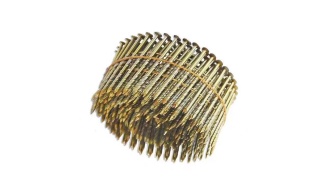
Wood-to-wood fastening, steel-to-concrete fixing, and concrete building fixing are different jobs. Each needs a different fastener family. For wood framing, buyers usually review nail length, collation, coating, and holding requirement. For concrete or steel fixing, drive pins should be considered instead of forcing standard framing nails into the wrong application.
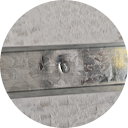
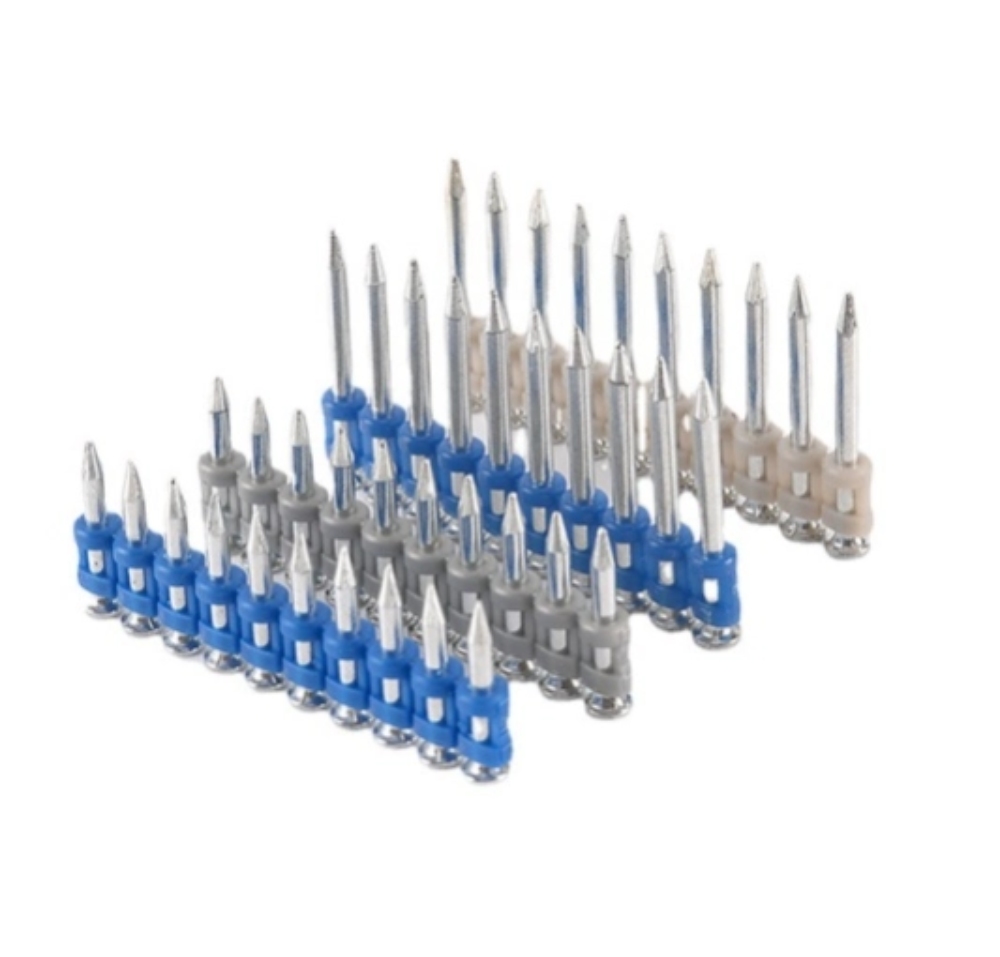
Qinjia Gas drive pins are designed for gas-actuated fixing applications. The product page shows options such as flat head support customization, smooth or stepped shank, bullet point, and plastic strip collation. These details are useful when buyers need repeated fixing into concrete or steel with compatible tools.
Framing Nails and Drive Pins Are Not the Same Product
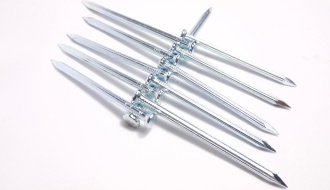
This distinction should be clear before bulk purchasing. Framing nails are mainly selected for wood framing and similar structural woodwork. Drive pins are selected for harder substrates, such as concrete or steel fixing, when the compatible tool and job condition require that product type.
Many construction buyers handle wood, concrete, and steel fixing in the same project. That does not mean one fastener can handle all tasks. A distributor may need framing nails for timber work, brad nails for finishing, and drive pins for concrete-related fixing. Separating the product list by application reduces wrong orders and helps the sales team explain each fastener category more clearly.
Length, Shank, Head, and Finish
A buyer should not approve a fastener only by product name. The basic review should include material, size, head style, shank type, point design, surface finish, strip or collation form, and matching tool.
| Selection Point | Why It Matters | Suitable Qinjia Product Direction |
|---|---|---|
| Wood framing | Needs holding strength in timber structures | Framing nails or construction nails based on tool type |
| Concrete building fixing | Needs fasteners made for hard substrate fixing | PD drive pins or DN Drive pins |
| Steel or concrete fixing with gas tools | Requires compatible gas-actuated fixing products | Gas drive pins |
| Finishing work | Needs thinner nails and cleaner surface results | Brad nails |
| Outdoor or humid use | Requires attention to corrosion resistance | Confirm surface treatment before ordering |
Surface treatment should be selected according to the jobsite environment, especially for outdoor, humid, or concrete-contact applications. For bulk orders, buyers should also confirm packaging, sample approval, and repeat supply stability.
Common Mismatch Risks Before Bulk Orders
Most fastening problems are not caused by the tool alone. They often come from using the wrong fastener for the substrate. Common mistakes include using wood framing nails for concrete fixing, choosing fastener length only by habit, ignoring tool compatibility, selecting the wrong surface finish for outdoor work, and treating brad nails as if they were structural fasteners.
For bulk orders, these mistakes can lead to bent pins, poor holding, tool jams, surface damage, or customer complaints after delivery. A small sample test on the actual substrate is often more useful than a long product description.
What Should a Framing Nail Gun Nail Size Guide Include?
A useful framing nail gun nail size guide should not be a random list of sizes. It should connect fastener size with project type, substrate, and fixing purpose.
Project-Based Size Matching
For general wood framing, buyers compare fastener length with wood thickness and required holding depth. For concrete building fixing or formwork fixing, the guide should shift from framing nails to drive pins. That distinction helps avoid wrong purchases.
For example, if the project is timber deck framing, wood framing nails may be the right direction. If the project involves fixing components on concrete buildings, PD drive pins or DN Drive pins may be more suitable after checking the tool and size requirement.
Bulk Purchase Checkpoints
Before ordering, ask for product information in writing: material, size range, surface finish, packing method, tool compatibility, and application limits. If the project has strict requirements, samples should be tested before mass use.
Qinjia can also support fastener selection through its service process, especially when buyers need technical parameters, compatibility advice, sample confirmation, OEM packing, or multi-category supply for distributor channels.
How Is a Framing Tool Different From a Brad Nailer?
Many buyers compare several nail types before building a product list. The framing nail gun vs brad nailer question is common because both tools drive nails, but they serve different work.
Structural Fixing vs Finishing Work
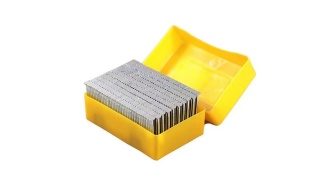
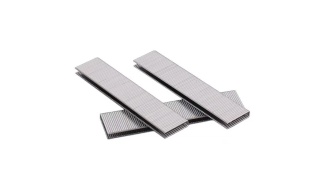
A framing tool is used for heavier construction fixing. A brad nailer is used for lighter finishing work such as furniture, frames, trim, and joinery. Brad nails are thinner and leave a cleaner surface, but they are not designed to replace structural fasteners.
This difference matters for procurement. A distributor selling to woodworking shops may need brad nails. A contractor working on construction fixing may need framing nails or drive pins. A buyer serving mixed customers should separate each product category clearly.
The Right Fastener Family for the Job
Use a framing tool for repeated wood framing work where speed and holding power are required. Use brad nails only for lighter finishing jobs where appearance matters more than structural strength. For concrete building fixing, formwork fixing, or steel-related substrate fixing, move the discussion to drive pins and confirm the matching tool before ordering.
If the project includes more than one base material, separate the fastener list by application instead of using one nail type for all work.
Project Support and Purchasing Communication
If your order involves wood framing, formwork fixing, concrete building fixing, or mixed substrates, prepare the base material, tool type, fastener size, finish requirement, and packing method before purchasing. This helps avoid mismatched nails, wrong drive pins, and repeated sample revisions. For catalog preparation, OEM packing, sample checks, or project-based fastener matching, you can contact Qinjia with the application details so the recommendation can be based on actual working conditions.
FAQ
Q: Can a framing nail gun be used for concrete fixing?
A: A standard framing tool is mainly for wood framing work. For concrete or steel substrate fixing, buyers should check drive pins and compatible tools instead. Gas drive pins, PD drive pins, and DN Drive pins are more relevant for concrete building or hard substrate fixing applications.
Q: What is the difference between framing nails and brad nails?
A: Framing nails are used for stronger structural fastening. Brad nails are thinner and used for finishing work such as furniture, frames, and trim. They should not be treated as replacements for heavy-duty construction fasteners.
Q: How Do I Choose Fasteners for a Framing Nail Gun and Related Construction Fixing Work?
A: Start with the substrate and project type. For wood framing, check nail length, coating, shank, and tool compatibility. For concrete building fixing or formwork fixing, review drive pins such as PD drive pins or DN Drive pins and confirm the matching tool before ordering.

 Consult
 Whatsapp
 Leave Message
 top
top