



Brad Nails vs Finish Nails Which One Should You Use
Brad nails and finish nails look similar, but they solve different fastening problems. Buyers often ask one direct question: are brad nails stronger than finish nails? Usually, no. Finish nails are generally thicker and offer more holding power. But the stronger nail is not always the better nail. If the job involves thin trim, furniture parts, interior panels, or visible decorative surfaces, a thinner fastener may give a cleaner result with less splitting and less repair work after installation.
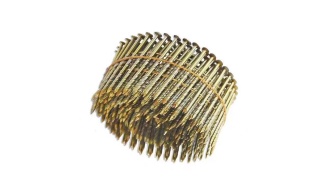
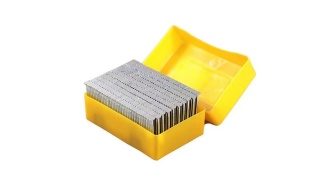
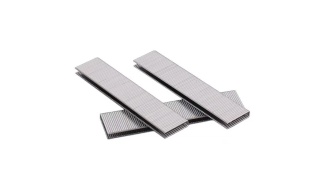
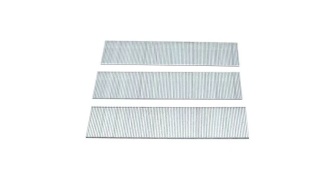
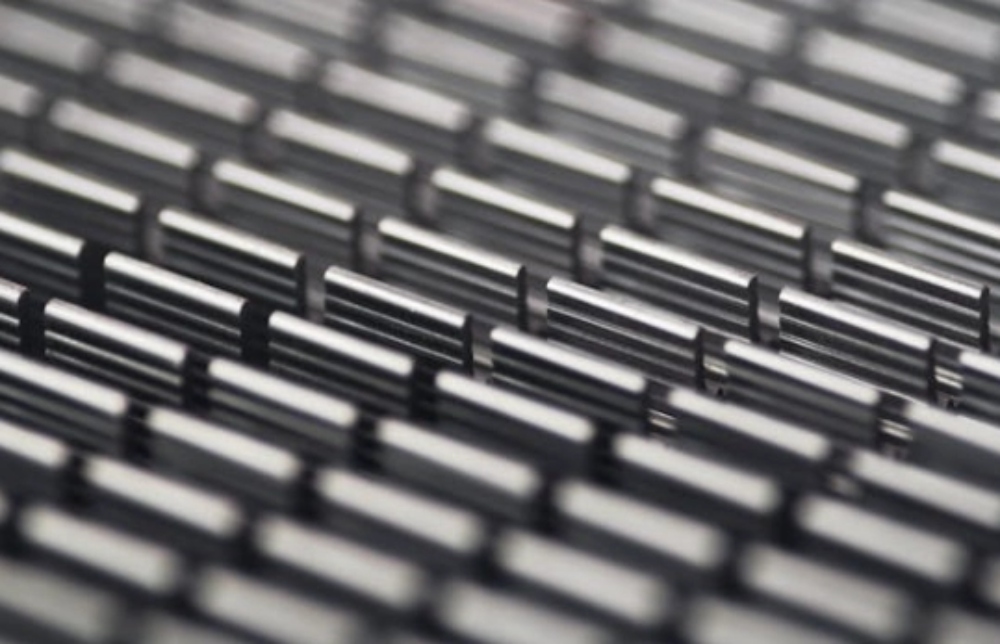
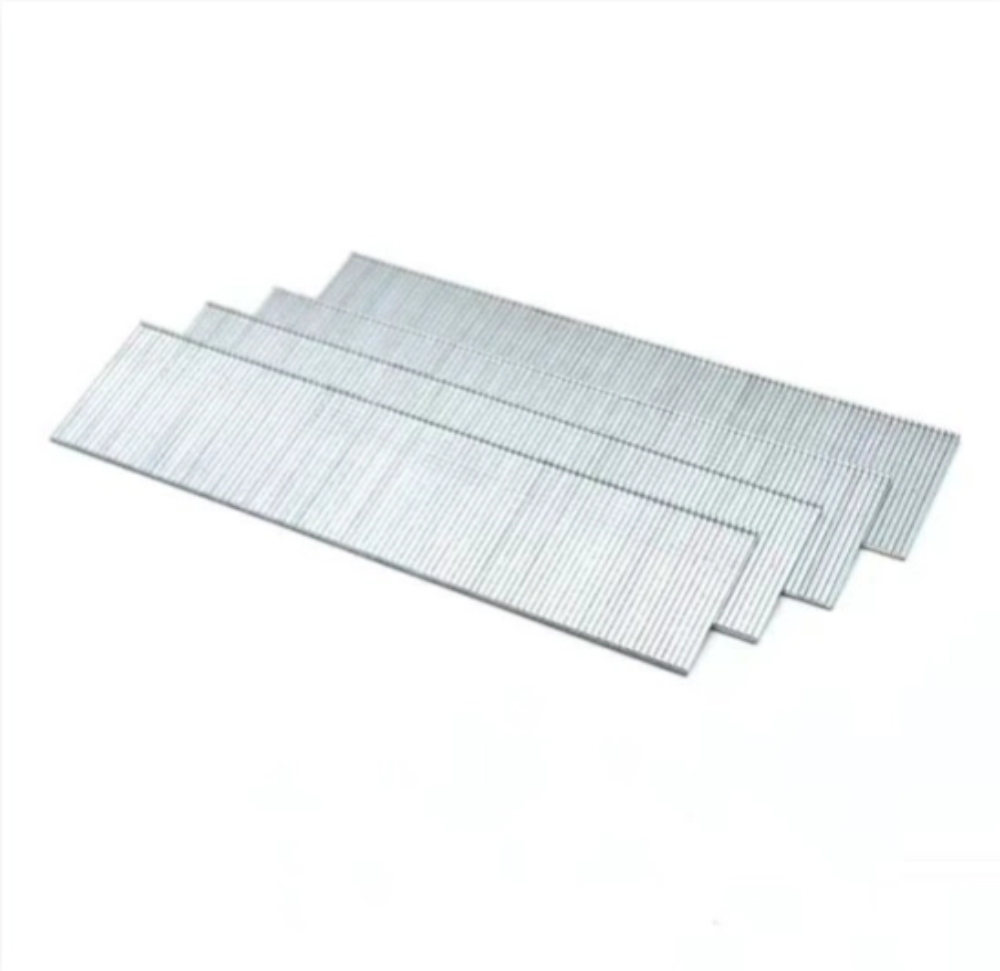
Qinjia supplies metal fasteners for woodworking, interior decoration, furniture assembly, construction fixing, and related applications. Its product range includes nails, screws, staples, and drive pins for different materials and job requirements. For buyers comparing thin finishing fasteners, Qinjia 18GA F Brad Nails fit clean fixing in light-duty to medium-duty woodworking and interior finishing work. The product page lists material options such as Q235, SS304, and SS316, with electro galvanized or coating finishes, chisel point, glue collated form, 0° collation angle, and F10–F50 length options.
Are Brad Nails Stronger Than Finish Nails?
This question is really about holding power. A thicker nail normally grips more material, so finish nails usually hold more strongly. Still, the right choice depends on surface appearance, material thickness, splitting risk, and whether the fixing point needs extra support from glue, screws, or another fastening method.
Finish Nails Usually Have Higher Holding Power
Finish nails are commonly used where the material is thicker or the fixing point needs more grip. They are often selected for heavier trim, door casing, window casing, baseboards, and similar work where stronger fastening is more important than a very small nail hole.
A thinner finishing fastener should not be treated as weak in every situation. It is simply designed for a different job. On thin strips, small panels, or visible decorative pieces, a thicker nail may create new problems, such as splitting, larger holes, or extra filling and sanding.
Smaller Holes and Cleaner Surfaces
Thin finishing fasteners are useful when the final surface needs to stay neat. They leave smaller holes, which can reduce filling, sanding, repainting, and visible repair marks. This matters in decorative trim, small molding, cabinet backs, picture frames, drawer parts, and furniture components.
For workshops and distributors, surface quality is part of product value. Customer complaints may come from visible damage as often as from weak fixing. A cleaner surface can save finishing time and reduce rework.
Strength Is Not the Only Standard
Holding power, surface finish, splitting risk, and tool compatibility should be judged together. If the part must carry weight or resist movement, a thicker nail or another fixing method may be needed. If the job needs clean fixing on thin material, the 18GA F series may be more practical.
How Do Size and Gauge Affect Nail Choice?
Gauge is one of the easiest ways to compare finishing nails. A lower gauge number means a thicker nail. That is why 18 gauge brad nails vs 16 gauge finish nails is a common comparison in woodworking, furniture, and interior finishing.
A Simple Gauge Comparison
| Item | 18GA F Type | 16GA Finish Type | Order Checkpoint |
|---|---|---|---|
| Thickness | Thinner | Thicker | Match with wood thickness |
| Holding Power | Lower than thicker finish nails | Higher | Check whether glue or screws are also used |
| Surface Result | Cleaner, smaller hole | More visible nail mark | Review visible trim requirements |
| Splitting Risk | Lower on thin pieces | Higher on delicate material | Test on fragile wood before bulk orders |
| Typical Use | Trim, molding, furniture parts, interior panels | Heavier trim, casing, thicker boards | Separate SKUs by application |
Use this table for early selection, then confirm the final choice with sample testing on the actual material. Wood density, tool condition, nail length, and finish can all affect the final result.
Thin Trim and Delicate Woodwork
For thin trim, small wood strips, lightweight panels, and decorative parts, a thinner nail is often safer. It can hold the part in position without leaving a large mark. This is where Qinjia 18GA F series fits trim, molding, wall panels, cabinet backs, drawers, small wooden frames, crafts, and interior decorative work.
The chisel point helps driving, while glue collation supports continuous tool use in workshop or installation jobs. Buyers should still match the length to the material thickness and tool requirement before ordering.
Thicker Trim and Stronger Fixing Needs
Finish nails are more suitable when the part is thicker or the joint needs more holding power. For heavier casing, thick baseboards, or larger trim pieces, buyers should not choose a thin nail only because it looks cleaner. If holding strength is the main requirement, a larger fastener may be more reliable.
When Should You Use Brad Nails Instead of Finish Nails?
The question of when to use brad nails instead of finish nails is usually tied to surface quality and material thickness. If the material is thin, delicate, or highly visible, a smaller fastener can help reduce damage.
Clean Visible Surfaces
Choose the thinner option when the nail mark will be visible and the material is not very thick. Interior finishing work, decorative strips, cabinet backs, light panel fixing, and furniture detail work often need a clean surface. This is where thin finishing fasteners make sense for trim and furniture work.
Light-Duty to Medium-Duty Fastening
Qinjia 18GA F Brad Nails are better matched with light-duty to medium-duty fastening. It is not meant to replace heavy structural fasteners. It is more useful when a worker needs precise fixing, low surface damage, and lower splitting risk.
For distributors, this positioning is important. Product pages and catalog descriptions should clearly show that this nail type fits finishing and woodworking use, not heavy load-bearing construction.
Temporary Positioning Before Final Fixing
In furniture and cabinet assembly, small parts sometimes need to be held in place before glue sets or before final fixing is completed. A thinner nail can keep the component aligned without adding much surface damage. This is useful for workshops handling repeated assembly work.
How to Choose Between Brad Nails and Finish Nails for Purchasing?
For B2B buyers, how to choose between brad nails and finish nails should start with application details, not only price per box. A lower-priced nail is not a saving if it causes tool jams, weak holding, visible marks, or customer returns.
Project Type and Material Thickness
Start by listing the end use. Is the product for trim, molding, cabinets, furniture parts, frames, crafts, or heavier casing? Thin and delicate parts usually favor cleaner fixing. Thicker or heavier parts usually need more holding power.
If your customers work across several applications, do not use one SKU to cover everything. Separate the product list by gauge, length, finish, and target use.
Length, Material, Finish, and Tool Compatibility
A practical order should start with the wood type, nail length, finish requirement, tool model, and packing method. For Qinjia 18GA F series, available product directions include Q235, SS304, and SS316 material options, electro galvanized or coating finish, chisel point, glue collated form, 0° collation angle, and F10–F50 lengths.
If the buyer serves different markets, sample testing is useful. Different wood types and tools may affect driving result, surface appearance, and holding performance.
Wholesale Packaging and Private Label Needs
For wholesalers, distributors, and private-label buyers, product quality is only one part of the order. Packaging, label design, carton strength, barcode requirements, and product naming also affect resale. Qinjia ODM/OEM service can support custom specifications, samples, packaging, testing, adjustment, and production confirmation for buyers who need market-ready supply.
What Should Buyers Confirm Before Ordering Brad Nails?
A practical purchase should be based on real application details. The supplier should know what the nail will be used for, what tool will drive it, what finish is required, and how the product will be packed.
Application Matching Before Price Comparison
Confirm whether the product is for trim, molding, furniture assembly, cabinet work, crafts, interior panels, or temporary fixing. Wrong selection can lead to weak holding, visible damage, splitting, bending, or tool jams.
Common Buying Mistakes Before Bulk Orders
Common mistakes include choosing a nail only by length, using a thinner nail on material that needs stronger hold, ignoring tool compatibility, and selecting a surface finish without checking the working environment. In real purchasing, these mistakes can lead to splitting, weak holding, visible nail marks, bending, tool jams, or complaints from downstream customers.
Before bulk orders, test the selected length and finish on the actual wood type or sample board. This is especially useful for distributors serving several markets or workshops using different tools.
Quality and Consistency Checkpoints
Buyers should check material, finish consistency, nail length, point sharpness, head shape, glue collation quality, carton strength, and label accuracy. These details matter for repeat orders because small inconsistencies can create customer complaints in downstream markets.
Final Selection Rule for Buyers
Choose 18GA F Brad Nails when the job involves thin trim, small furniture parts, cabinet backs, picture frames, decorative molding, or visible interior surfaces. Choose finish nails when the material is thicker and the fixing point needs stronger holding power. If the part must carry weight, resist movement, or support a structural joint, do not rely on thin finishing nails alone. Match the nail to the material thickness, tool type, surface requirement, and final use before confirming bulk orders.
Project Support and Purchasing Communication
If your order involves trim, furniture parts, cabinet backs, interior panels, or private-label packaging, prepare the wood type, tool model, nail length, finish, packing method, and target market before discussing production. These details help avoid weak holding, visible marks, or mismatched packaging. Qinjia can support product matching through its service process. For samples, ODM/OEM details, label needs, or project-based fastener selection, you can contact Qinjia with your application details.
FAQ
Q: Are brad nails suitable for furniture work?
A: Yes, they are suitable for many furniture-related tasks, especially light-duty to medium-duty fixing, cabinet backs, drawers, frames, small components, and decorative parts. They should not be used as the only fastener for heavy structural joints.
Q: Are brad nails stronger than finish nails?
A: No, finish nails are usually stronger because they are thicker and provide more holding power. The thinner option is often chosen for cleaner surfaces, smaller holes, and lower splitting risk on delicate wood pieces.
Q: How do I choose the right nail length for trim or furniture work?
A: Match the length to the material thickness, tool compatibility, and holding requirement. For Qinjia 18GA F series, the product range includes F10–F50 length options, so buyers should select based on the actual wood thickness and test samples before bulk orders.

 Consult
 Whatsapp
 Leave Message
 top
top