



What Length Brad Nail Should You Use? Expert Tips for Better Results
Picking the proper brad nail length seems straightforward, yet in actual workshop settings and construction sites, it creates a significant impact. If nails are too brief, joints might come apart gradually. If they are excessively lengthy, you could damage the wood by causing splits or breaking through the face. For makers in furniture plants, those installing trim, and contractors in woodworking, selecting the suitable 18 gauge brad nail length forms a routine choice.
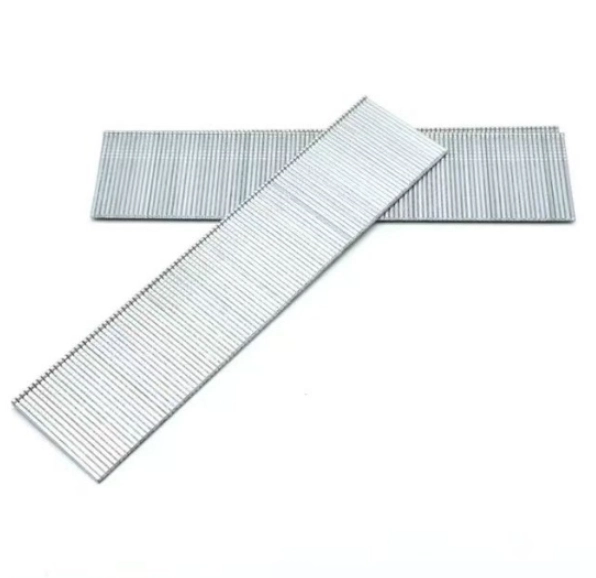
As a reliable fastener producer located in Hebei, Qinjia delivers a complete selection of nails and screws to regions like North America, the Middle East, Australia, Vietnam, Turkey, and South America. Within its main finishing items, 18GA F Brad Nails find broad application in assembling furniture, fitting door and window casings, adding decorative trim, and handling light joinery tasks. Knowing the right length to apply ensures optimal outcomes from each package.
How Do You Choose The Right Brad Nail Length?
Deciding on brad nail length goes beyond merely ensuring it suits the nail gun. It relies on the thickness of the wood, the underlying material, and the level of holding strength required for the joint. In typical finishing tasks, a basic guideline holds: the nail ought to enter the base material by at least two-thirds of the top piece’s thickness. However, practical situations seldom follow ideal conditions perfectly.
Prior to examining particular measurements, it proves useful to outline the main elements that influence nail length selection in everyday scenarios.
Wood Thickness And Material Considerations
The depth of the material you are securing serves as the initial guide. When fixing a 12mm trim board onto a sturdy wood frame, a 25mm or 30mm brad nail frequently performs effectively. For slimmer moldings measuring about 8–10mm, briefer 15mm to 20mm nails might suffice.
Dense woods react unlike softer varieties. Species like oak and maple withstand splitting yet demand greater embedding for a firm hold. Softer pine allows easier insertion, but extended nails could pierce through or lead to blowout on the opposite side.
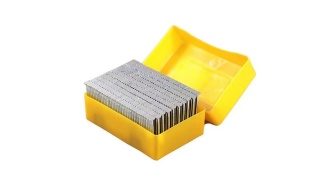
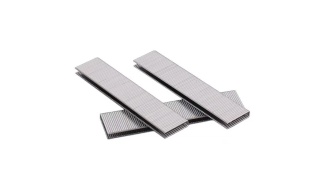
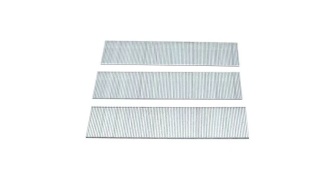
Qinjia’s 18GA F Brad Nails come in lengths from 10mm to 50mm, addressing most needs in finishing and basic woodworking. Their uniform shank width minimizes the risk of cracks, particularly in fragile trim sections.
18GA F Brad Nails Performance Insights
The gauge matters too. An 18 gauge brad nail remains slim enough to produce an almost unseen puncture, while offering sufficient strength for minor support in cabinets and frames. When compared to 16GA finishing nails, these 18GA brads form tinier entry marks and require less filler to hide.
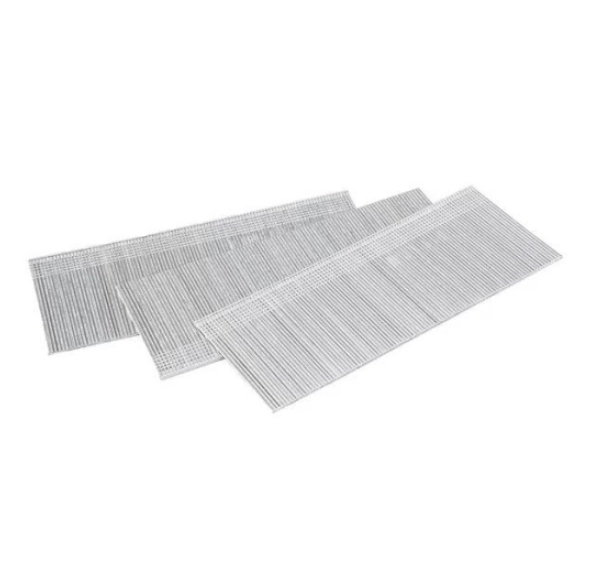
Qinjia crafts 18GA F Brad Nails from low to medium carbon steel, providing choices like zinc plating and copper coating. The zinc-plated versions enhance resistance to rust in moist indoor spots, whereas copper-coated ones enable smoother insertion in fast-acting air-powered nailers.
In production environments where countless nails get driven each day, reliable alignment and steady sizes count heavily. Inferior nails might clog equipment or curve while being hammered. Qinjia’s manufacturing method includes thorough checks from initial materials to final packing, which ensures reliable results over various lots.
Application-Specific Nail Length Guidelines
Various uses demand distinct lengths. For picture frames and minor decorative trims, 15mm to 20mm brad nails suit well. Cabinet face frames might call for 25mm to 30mm. Door casings or window trims generally employ 30mm to 40mm, based on the wall’s base layer.
When securing slim plywood to solid wood supports, shorter nails lessen the chance of harming the face. With MDF boards, a bit longer nails assist in offsetting their reduced inner density.
No universal “ideal” length exists. It varies with the items joined and the needed holding force. Skilled installers typically try on waste pieces prior to the main work. This approach avoids issues down the line.
Why Does Brad Nail Length Matter In Different Projects?
Numerous finishing troubles stem from incorrect nail length. Examples include trim that loosens, corners that crack, or nail points showing on the reverse side. Nail length influences the joint’s durability, visual appeal, and lasting reliability.
Grasping the importance of nail length aids in avoiding rework and material loss, particularly in business interior jobs where uniformity proves essential.
Fastening Strength And Holding Power
Should the nail fail to embed sufficiently into the base, the connection could move with time. This holds true especially for cabinet doors, drawers, or panels that see regular handling.
Take, for instance, securing a 15mm board with a 15mm brad nail; only a portion enters the substrate. Usually, opting for 25mm or 30mm delivers far superior grasp.
Qinjia’s 18GA F Brad Nails feature consistent firmness and alignment, which boosts their holding ability. Although brad nails suit non-weight-bearing roles, they still need to offer dependable securing in basic structural duties.
Surface Finish And Workpiece Protection
In finishing projects, looks come first. A key advantage of 18GA brads lies in the small marks they create. That said, if nails prove too extended, they might emerge through the rear or side of slender materials, spoiling a neat setup.
Briefer nails cut down that danger, notably with narrow trims or thin veneer sheets. In premium furniture making, selecting the fitting length maintains clean and expert surfaces.
The finish on the surface counts as well. Qinjia’s zinc-plated brad nails guard against rust in indoor areas like kitchens and bathrooms. Thus, they prevent rust marks from forming at the joints eventually.
Efficiency In Production And Installation
In expansive furniture workshops, pace matters greatly. Nail guns operate nonstop, and interruptions from blockages or failures slow progress. Uniform nail sizes and sleek surfaces enhance smooth feeding.
Picking the appropriate nail length likewise cuts down on fixes. Excessively long nails might split pieces, requiring staff to swap out ruined components. Overly brief nails could necessitate extra fasteners.
Through providing custom OEM packaging and large-volume choices, Qinjia aids suppliers and factory buyers seeking reliable stock and adaptable quantities. Dependable quality paired with proper length picks keeps assembly lines running steadily.
When Should You Use Longer Versus Shorter Brad Nails?
Choosing length typically involves weighing hold against material safety. While extended nails often yield firmer attachment, they do not always serve as the superior pick.
Use Cases For Shorter Brad Nails
Briefer brad nails, ranging from 10mm to 20mm, fit perfectly for tiny decorative features. Slim trims, lightweight moldings, picture frames, and basic craft items gain from limited embedding depth.
They work well too when attaching thin sheets to support boards, as deep entry might cause breakthrough. In sensitive items like slim MDF or veneer, shorter nails curb fracturing and side splits.
For interim holding while glue sets, brief brads function as temporary fasteners without deep impressions.
Scenarios That Require Longer Brad Nails
Extended nails, usually 30mm to 50mm in the 18GA range, suit thicker trims and cabinet builds better. Joining two sturdy wood parts benefits from added embedding for steadiness.
Door and window casings frequently need 40mm nails to go through the trim and secure into the frame solidly. On walls with slight irregularities, deeper nails assist in filling small voids.
Qinjia’s longer options reaching 50mm give installers room to adapt to diverse site conditions.
Balancing Grip And Material Integrity
The aim goes beyond just maximum entry. It centers on aligning nail length with actual material depth. A sensible method involves gauging the top item and selecting a nail that embeds about twice that into the base.
Practicing tests on spare wood stays a wise routine. Even veteran carpenters verify before the final cuts. Variables shift, especially across dense woods, soft types, MDF, and blended boards.
Which Qinjia 18GA F Brad Nails Work Best For Your Project?
Brad nails vary in quality. The makeup of the material, the coating, and size uniformity shape practical outcomes. Qinjia’s 18GA F Brad Nails target furniture builders, interior specialists, and fastener sellers who prioritize steady operation.
Standard 18GA F Brad Nails Features
Qinjia’s 18GA F Brad Nails appear in sizes of 10mm to 50mm. They use low or medium carbon steel and include zinc-plated or copper-plated options.
The even shank aids clean insertion with little curving. Alignment stays firm, cutting down errors in air nailers. Packing comes in small cartons, plastic wraps, and custom OEM labels.
Complete reviews from starting materials to shipping end support uniform quality in export areas.
Recommended Lengths For Typical Applications
For subtle decorative trim below 10mm thick, 15mm to 20mm nails perform nicely. In cabinet builds and face frames near 15mm thick, 25mm to 30mm see regular use. For broader moldings or casings, 35mm to 40mm deliver robust securing.
Workers on projects with mixed materials often stock multiple lengths. Such variety prevents settling for less in hold or safety.
Matching Nail Length To Tool And Workpiece
Suitability with air nail guns remains vital. Qinjia’s 18GA F Brad Nails fit standard F-type brad nailers common worldwide.
Ahead of large orders, suppliers and job leads often seek trial samples. Tests verify smooth operation and entry under exact setups.
Ultimately, apt nail length choice, alongside solid production standards, streamlines finishing tasks and boosts predictability.
What Common Mistakes Should Be Avoided With Brad Nails?
Even seasoned hands err when hurrying. Opting for nail length sans checking material depth ranks high among errors. Relying on estimates results in frail links or face harm.
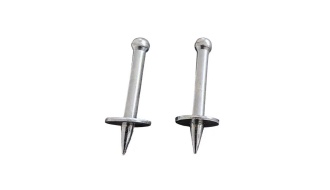
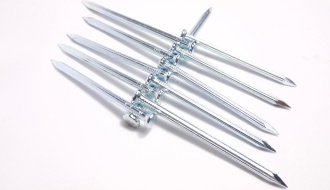
Employing brad nails in weight-support roles poses another problem. 18GA brads target finishing, not main framing. For demanding uses, alternatives like ST nails or concrete nails from Qinjia’s range fit better.
Overlooking coatings in damp spots leads to issues too. Choosing zinc-plated nails for wet indoor zones lowers rust chances long-term.
FAQ
Q1: What Is The Most Common Length For 18GA Brad Nails In Furniture Work?
A: 25mm to 30mm are widely used for cabinet frames and light furniture assembly, depending on material thickness.
Q2: Can 18GA Brad Nails Be Used Outdoors?
A: Standard zinc-plated brad nails are mainly for indoor use. For outdoor exposure, higher corrosion resistance options should be considered.
Q3: How Deep Should A Brad Nail Penetrate The Base Material?
A: A general guideline is at least two-thirds of the thickness of the top piece, but testing on scrap material is always recommended.

 Consult
 Whatsapp
 Leave Message
 top
top