


Bolts vs. Screws: Key Differences and Choosing the Right Fastener
A snapped screw head or a loose bolt isn’t just a minor inconvenience—it’s a structural liability that can cost your business thousands in rework and damaged reputation. At Qinjia, we’ve analyzed over 500 job-site failures to help you make the right choice between bolts and screws before the first hole is ever drilled. It’s not just about the threads; it’s about how the fastener holds up under pressure.
Why Should You Distinguish Between Bolts and Screws?
Most people think the difference is just a nut, but it goes deeper into how the fastener actually works within the material. If you get this wrong, you risk structural failure or, at the very least, a very frustrated client.
Fundamental Mechanical Design and Load Bearing
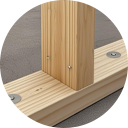
Bolts are the heavy lifters. They usually need a nut and a washer to create a clamping force that holds two pieces of metal or heavy timber together. Screws, on the other hand, are more independent. Products like our Drywall screws or Concrete nails are built to bite directly into the substrate—whether that’s gypsum, wood, or even a tough brick wall—without needing anything to catch them on the other side. Our manufacturing follows ISO 9001:2015 quality protocols, ensuring each batch meets international safety requirements.
Installation Methods and Tool Requirements
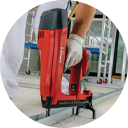
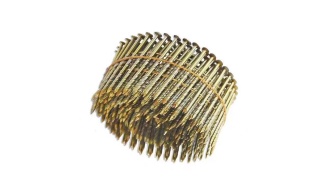
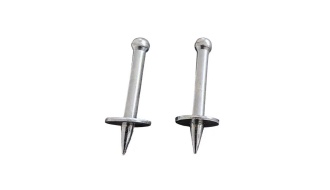
Speed is everything in construction. Bolts often require a wrench and two hands, which slows things down. We focus heavily on fasteners that play nice with power tools. For instance, our ST nails and Gas drive pins are made for pneumatic or gas-actuated nail guns. This means you’re firing fasteners into the wall in seconds rather than cranking a socket wrench for minutes.
Material Compatibility and Substrate Penetration
You wouldn’t use a bolt to hang drywall, and you wouldn’t use a screw to hold a bridge together. It’s all about the “bite.” Our Concrete nails use high-carbon steel and heat treatment specifically so they can pierce hard masonry without snapping. While a bolt sits in a pre-drilled hole, these fasteners create their own path, ensuring a tight, permanent fit in materials like stone or concrete.
How Does the Thread Design Affect Your Project?
Once you’ve settled on using a screw, the next headache is the thread. The “pitch” or the distance between threads isn’t just for show—it dictates how well the fastener grips the material and how much effort it takes to drive it in.
Sharp Fine Threads for Steel Studs
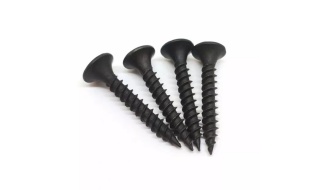
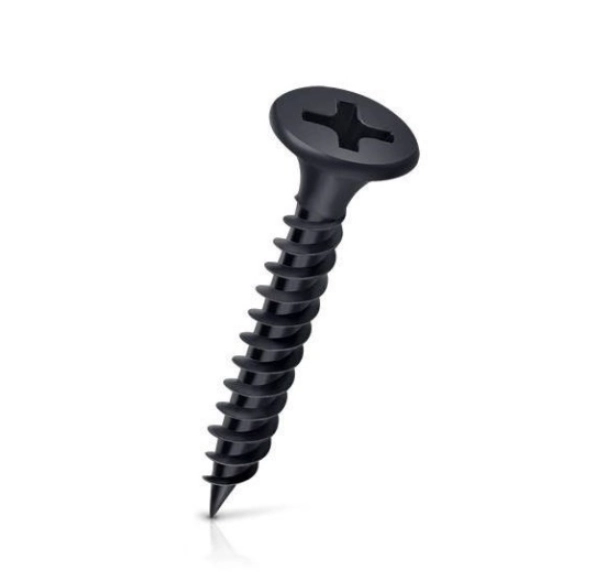
If you’re working with light steel studs in a modern office build, you want Fine Thread Drywall Screws. These threads are closer together, allowing them to tap through the metal without stripping the hole. We finish these with black phosphating or zinc plating so they slide in smooth and don’t rust out the moment there’s a bit of humidity in the air.
Coarse Threads for Wood and Chipboard
Wood is a different beast—it’s fibrous and prone to splitting. That’s where Chipboard screws and coarse-thread drywall screws come in. The threads are wider and deeper, acting like a little spiral staircase that pulls the wood fibers together. This is the “go-to” for framing or putting together cabinets where you need that extra “tug” to keep things tight.
Specialized Hardness for Concrete Fastening
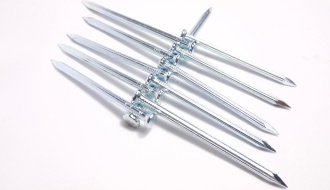
Sometimes threads aren’t enough, and you need raw strength. Our ST nails are manufactured from 45# steel and heat-treated until they’re incredibly tough. They aren’t technically “screws” in the traditional sense, but they replace them in structural jobs. Because they’re thicker, they can handle the impact of a pneumatic gun and stay put in a hard concrete wall without bending into a U-shape.
| Screw Type | Best Substrate | Recommended Coating | Key Advantage |
|---|---|---|---|
| Fine Thread Drywall Screws | Light Steel Studs | Black Phosphate | Self-tapping, prevents stripping |
| Coarse Thread Drywall Screws | Timber/Wood Studs | Zinc Plated | Superior grip in fibrous materials |
| Chipboard Screws | MDF/Particleboard | Yellow Zinc | Low torque, prevents wood splitting |
| Self-Drilling Screws | Heavy Gauge Metal | Ruspert/Zinc | No pre-drilling required |
What Are the Performance Advantages of Qinjia Fasteners?
Buying fasteners in bulk is a gamble if you don’t know the factory. We’ve seen enough “budget” screws snap mid-job to know that quality control isn’t just a buzzword—it’s what keeps your project on schedule.
Integrated Quality Control Standards
We don’t just ship boxes and hope for the best. Every batch at Qinjia goes through a gauntlet. We use screw tapping speed testers to make sure our Drywall screws actually bite when they hit the surface, and handheld torque meters to check they won’t snap under pressure. From the raw wire to the final box, we’re checking dimensions and hardness. For instance, our drywall screws must pass a standardized 1.5-second penetration test into 0.6mm steel studs to ensure job site efficiency.
Optimized Surface Treatments for Durability
A fastener is only as good as its coating. If you’re building near the coast or in a damp basement, a bare steel screw will turn to rust in weeks. We offer everything from basic bluing to heavy-duty zinc plating and anti-rust coatings. We even run salt spray tests to see how they’ll hold up in the real world, ensuring your work looks just as good ten years from now.
Versatile Packaging and OEM Support
We work with distributors from the US to Turkey, and everyone wants things a little differently. Maybe you need small boxes for retail or big buckets for a major construction site—we do both. Plus, if you have a specific design or brand, our OEM and ODM services mean we can tweak the specs or the labels to fit exactly what your local market is asking for.
Which Fastener Is Best for Interior Construction?
Interior work is all about the finish. You want strength, but you don’t want a bunch of ugly screw heads ruining the look of a room. This is where choosing the right specialized fastener makes the difference between a pro job and a DIY mess.
Drywall Screws for Gypsum Systems
The “Bugle head” is the secret sauce here. It’s shaped like a little trumpet so that when you drive the screw into the drywall, it sinks just below the surface without tearing the paper. It leaves a nice, clean dimple that’s easy to mud over. Whether you’re going into wood or metal studs, we’ve got the coarse or fine threads to match.
Chipboard Screws for Furniture and Joinery
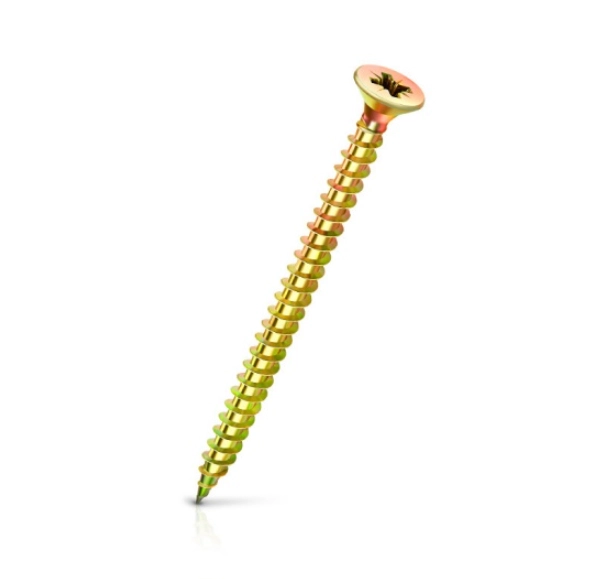
When you’re dealing with MDF or particleboard, regular screws often just chew up the material. Our Chipboard screws are built to prevent that “mushrooming” effect. They grip the loose fibers of composite boards tightly, making them the best pick for cabinetry, furniture assembly, or any joinery where you can’t afford for the wood to split.
Brad Nails and Staples for Finishing
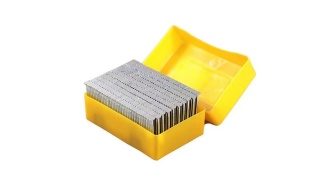
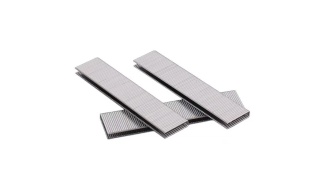
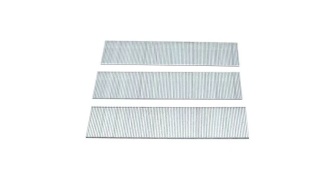
Sometimes, you don’t want to see the fastener at all. For delicate trim, picture frames, or furniture upholstery, we lean on Brad nails and Staples. Brad nails (especially the 18GA ones) are so thin they barely leave a hole, which is perfect for decorative molding. It’s all about getting the hold you need without the visual clutter of a big screw head.
How Can Qinjia Streamline Your Supply Chain?
If you’re a distributor or a large-scale contractor, you know that managing twenty different suppliers is a headache. We try to make it easy by being the one-stop shop for everything that holds a building together.
One-Stop Procurement for Diverse Fasteners
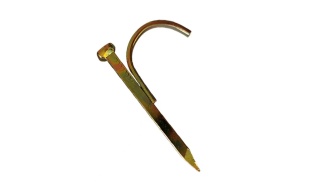
Why buy your screws from one guy and your pipe hooks from another? We handle the whole range—from Pipe hook nails for electricians to C-rings for the logistics guys. We even help you mix different products into a single container, which saves a ton on shipping and keeps your inventory balanced.
Efficient Logistics and Payment Terms
We’ve been doing this long enough to know the paperwork matters as much as the product. Whether it’s sea freight or a quick express shipment, we coordinate with your forwarders or recommend our own. We typically work with a 30% deposit and the rest before the container leaves, and we’ll always send over the inspection reports and packing lists so you know exactly what’s coming.
Expert Technical and After-Sales Support
Issues happen—it’s construction. If a batch doesn’t look right or you’re not sure which nail works best with a new type of gas gun, we’re here. We provide all the technical specs and usage guides you need. If there’s a genuine quality problem, we don’t hide; we fix it by replacing or refunding based on the photos and videos you send over.
Ready to secure your next project?
Don’t risk your structure with sub-par fasteners. Contact our technical team today for a custom quote or to request a free sample pack of our heat-treated screws and nails.
FAQ
Q1: Can I use ST nails for wood-to-wood framing?
A: Actually, no. ST nails are designed with a very thick shank specifically to penetrate concrete and light steel. If you use them for wood-to-wood connections, they’re likely to split the timber. For that kind of work, stick to standard framing nails or Brad nails for lighter finishing.
Q2: Are Drywall screws better than Wood screws for outdoor decks?
A: Not really. While Drywall screws are great for interiors, they can be a bit brittle for the shifting and swelling of an outdoor deck. Plus, unless they have a specific high-grade anti-rust coating, the black phosphated ones will rust eventually if they’re constantly rained on. For outdoors, always check for our zinc-plated or specialized coated options.
Q3: Do I need a special tool for Gas drive pins?
A: Yes, you’ll need a gas-actuated nail gun. These aren’t like your typical hammer-in Concrete nails. The benefit is that they are way faster and can shoot through steel and concrete with zero effort, making them a favorite for big commercial structural jobs.

 Consult
 Whatsapp
 Leave Message
 top
top