


What’s the Difference Between Bolts and Screws
Fasteners hide pretty much everywhere – behind drywall, inside cabinet frames, up in ceiling channels, and all over steel constructions. At first glance, bolts and screws seem almost like cousins, yet the moment you start working with them, the differences jump right out. Carpenters, drywall crews, furniture makers, and steel erectors all feel those differences on the job every single day. For a manufacturer like Qinjia, that produces huge volumes of Drywall Screws and Chipboard Screws, keeping these distinctions crystal-clear is simply part of the routine.
Below is a clearer, more down-to-earth explanation of how bolts and screws differ. The goal is to help contractors, distributors, and anyone in construction make sense of which fastener belongs in which situation.
What Are the Core Functional Differences Between Bolts and Screws?
Even though both categories rely on threads, their purpose is not quite the same. Understanding this basic idea helps make the rest of the differences easier to follow.
Definition and Basic Purpose
A bolt normally works with a nut. The two clamp materials from both sides, tightening things together by pressure. A screw behaves differently. It digs into the material and forms its own grip. This is why screws don’t need nuts and why they work well when only one side of the material is accessible.
This distinction—external clamping versus internal gripping—sets up the roles they play in construction.
Thread Structure and Driving Method
Bolts often have a smooth shank with thread only at the end, and they need a wrench or socket to tighten. Screws, however, come fully threaded or partly threaded. Workers drive them using drills or screwdrivers, and because screws cut into the base material, their thread sharpness matters.
At Qinjia, thread rolling, hardness testing, and drilling-speed checks are part of the routine. The goal is to prevent slipping, wobbling, or the screw head stripping during work—things workers always complain about.
Fastening Force and Application Scenario
Bolts handle heavy loads, making them a better choice for steel beams, frames, and structures that must stay rigid. Screws grip well enough for drywall, plywood, and engineered wood boards. They might not carry the load a bolt can, but for common building tasks, screws offer speed and convenience.
How Do Bolts and Screws Differ in Daily Construction Work?
Once you’re out on site, the practical differences become impossible to miss. Crews care about three main things: how strong the joint ends up, how fast they can work, and how well the fastener plays with the actual material in front of them.
Load-Bearing Strength and Structural Use
Bolts shine when there is a heavy load or when a structure needs high tension. Screws hold firmly but are suited for lighter pieces. For example, Drywall Screws from Qinjia are used to fix gypsum boards onto studs because they sit securely without damaging the board surface.
Installation Tools and Work Conditions
Another practical difference is installation space. Bolts need access from both sides, which is not always possible. Screws only need one side. This makes screws the go-to choice for ceilings, corners, and areas where workers can’t reach the back of the material.
Qinjia tests torque and driveability so that screws go in smoothly, which helps speed up jobs, especially on large sites where thousands of screws are used each day.
Material Types and Base Compatibility
Bolts require a pre-drilled hole and are usually used with metal or thick structural material. Screws can adapt themselves to wood, gypsum, and various board types. Their versatility makes them more common in indoor renovations and furniture manufacturing.
Why Are Screws More Common in Interior and Woodworking Projects?
Inside a building—whether it’s a home or an office—screws show up far more often than bolts. This comes from both their design and the type of materials used indoors.
Ease of Installation and Strong Grip
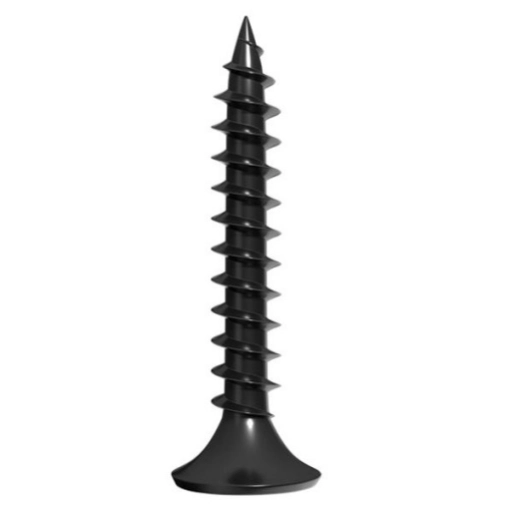
Screws go in quickly and hold well even without washers or nuts. Drywall installers prefer screws because they bite into studs cleanly and keep gypsum boards flat. Qinjia’s Drywall Screws use a bugle head, which sinks in without tearing the paper layer on the board.
Thread Design for Various Studs
A big advantage of screws is how easily they adapt to different studs. Coarse threads work better with wood, while fine threads match steel studs. Qinjia supplies both versions, helping contractors shift between materials with minimal adjustments.
Cost-Effective Fastening for Repeated Work
Interior work often involves hundreds or even thousands of fastenings. If a screw drives smoothly and doesn’t split the material, workers save time. Qinjia’s consistent thread profile helps reduce frustration on sites where minor defects can slow down progress.
How Do Drywall Screws and Chipboard Screws Fit Different Project Needs?
Not all screws serve the same purpose. Two of the most used types in building and woodworking are Drywall Screws and Chipboard Screws. Each solves a different fastening challenge.
Drywall Screw – Fastening Gypsum Boards to Studs
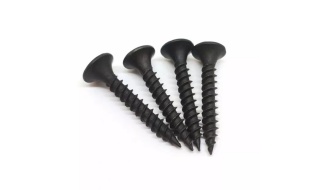
Drywall Screws attach gypsum boards to wood or steel studs. Qinjia manufactures common sizes such as M3.5, M3.9, M4.2, with lengths between 25–75 mm. These screws have sharp threads and reliable points, allowing them to catch the material quickly.
Available finishes include black phosphated and zinc-plated, with the black style often used in interior wall systems because it hides well behind gypsum boards and offers solid rust resistance.
Chipboard Screw – Strong Holding Power for Wood Panels
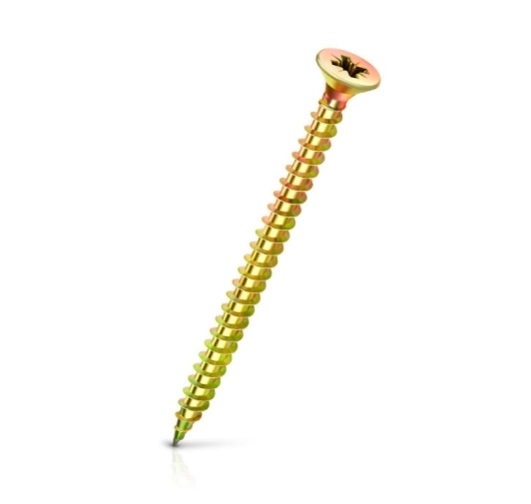
Chipboard Screws work better for engineered wood products like chipboard, MDF, and plywood. These boards can crumble if the screw thread is too shallow. Qinjia’s Chipboard Screws have deep threads that dig firmly into the material, helping woodworking projects hold their shape.
They are widely used in cabinets, furniture frames, floor underlayers, and general carpentry tasks.
Comparison of Use Scenarios and Material Behavior
Drywall Screws handle soft gypsum surfaces, while Chipboard Screws manage dense wood composites. Both are important, and Qinjia’s quality checks—such as hardness tests, salt-spray checks, and size inspection—ensure these screws behave predictably across different projects.
What Should Contractors Consider When Choosing Between Bolts and Screws?
Choosing between bolts and screws depends on more than load. Contractors also look at material type, working environment, and job schedule.
Base Material and Load Requirements
Bolts fit heavy steel structures or areas needing serious pull strength. Screws work better in drywall, wood panels, cabinetry, and indoor assemblies. The type of material usually determines the fastener—soft boards for screws, thick steel or beams for bolts.
Corrosion Resistance and Surface Treatment Options
Some areas need better protection. Kitchens, bathrooms, or coastal buildings benefit from coated screws. Qinjia provides phosphated, galvanized, and customized coatings to match different environments.
Project Speed, Tool Compatibility, and Cost Planning
Screws install faster, especially on projects where repeated drilling is required. Bolts take longer but are necessary in load-bearing frames. Picking the right fastener helps keep projects on track and avoids unnecessary rework.
FAQ
Q1: Are bolts always stronger than screws?
A: Bolts offer higher tension strength because they work with nuts. Screws provide strong grip inside the material but aren’t meant for heavy structural loads.
Q2: Can Chipboard Screws be used for drywall?
A: Not recommended. Chipboard Screws are designed for wood-based panels. Drywall Screws match gypsum board better and reduce risk of board damage.
Q3: Does Qinjia support mixed fastener orders?
A: Yes. Qinjia offers OEM/ODM services, mixed loading, and inspection reports to support distributors and project users.

 Consult
 Whatsapp
 Leave Message
 top
top