


What Are The Key Differences Between Self Tapping And Self Drilling Fasteners
Fasteners serve as vital components in contemporary construction, manufacturing, and mechanical assembly tasks. Among various options, self tapping screws and self drilling screws stand out as popular choices in metal fabrication, HVAC systems, framing structures, and fast-paced assembly lines. Although both create strong connections in metal and similar materials, grasping their distinctions helps in picking the appropriate one for any given task. At Qinjia, we assist customers throughout North America, the Middle East, Australia, Southeast Asia, and Turkey with such decisions every day.
How Do Self Tapping Screws Function in Metal Fabrication?
Self tapping screws find frequent use in scenarios where threads must form in pre-drilled or slim-walled materials. Their effectiveness relies on material suitability, thread design, and hole readiness.
Thread Forming for Pre-Drilled Holes
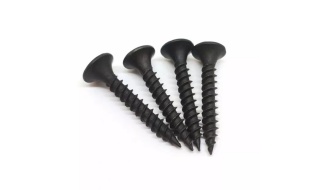
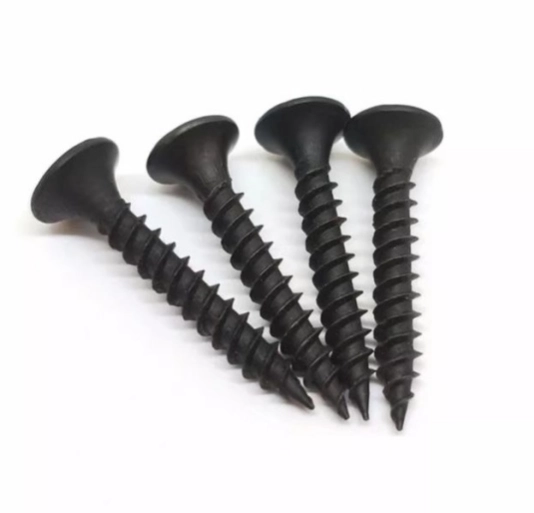
Unlike self drilling screws, self tapping screws lack a drill bit tip. Therefore, they need a pilot hole prior to insertion. When the screw advances into that pilot hole, its keen threads carve matching threads into the base material. This approach works well in managed settings where accuracy and steady torque matter more than quickness.
Self tapping screws require a pre-drilled pilot hole to form threads in metal or plastic. As a result, they fit applications that demand strong thread quality, and where excessive penetration might weaken the overall structure.
Material Compatibility and Application Range
Self tapping screws perform best with gentler materials like aluminum, plastics, and thin steel sheets. They provide a firm grip without needing entry to both sides of the material.
These screws are suitable for softer metals, plastics, and composite materials. Moreover, people often apply them in electrical setups or HVAC ductwork, since the material may prove too fragile or slender for tougher fasteners.
Common Use Cases in Qinjia’s Product Line
At Qinjia, we produce and deliver self tapping screws for many purposes. Qinjia offers self tapping screws for HVAC systems, electrical enclosures, and light-gauge framing. These items are built for simple handling along with robust holding power in lightweight building parts. For instance, when putting together an air duct or fastening a control box, Qinjia’s screws deliver dependable results, supported by thorough quality inspections from initial materials through to delivery.
What Makes Self Drilling Screws Suitable for High-Speed Assembly?
When pace and productivity rank highest—particularly in factory or steel building contexts—self drilling screws provide clear benefits.
Integrated Drill Point Design
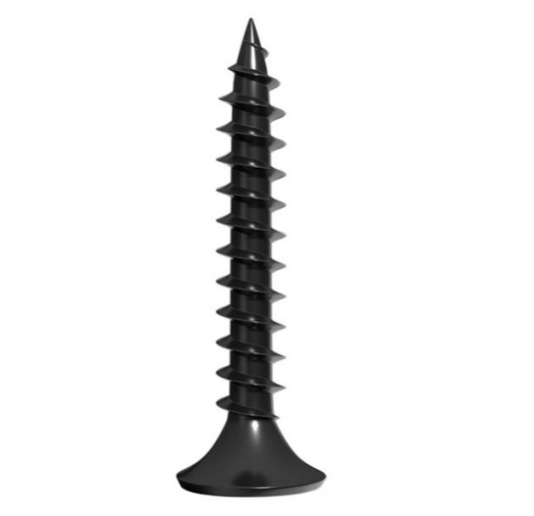
The main difference lies in the tip. Self drilling screws include a drill-style point that can bore through metal layers without a pilot hole. Consequently, this cuts down on time and effort.
Self drilling screws feature a drill-like tip that eliminates the need for pre-drilling. In this way, one tool manages both drilling and securing in a single step, which smooths operations on production lines or steel framework projects.
Time-Saving Benefits in Industrial Applications
Since no pilot hole is necessary, self drilling screws cut installation duration substantially. That becomes a key edge in large-scale output settings, such as factory-made homes or ready-made steel builds.
These fasteners reduce installation time in mass production environments. Fewer changes between tools also lessen worker tiredness and boost output levels over work periods.
Qinjia’s Self Drilling Options for Structural Steel Projects
Qinjia’s range features capable self drilling screws made just for building purposes. Qinjia supplies self drilling screws ideal for steel decking, purlins, and panel installations. With choices in diverse point styles, our products handle varying material depths with care and swiftness.
In Which Situations Should One Type Be Chosen Over the Other?
Deciding between self tapping and self drilling fasteners hinges mostly on material traits and task needs.
Considerations Based on Material Thickness and Hardness
For tough or substantial materials—like heavy steel sheets or stacked parts—a self drilling screw generally proves more capable because of its built-in cutting edge.
Use self drilling screws for thicker or harder substrates; self tapping for thinner materials. On the flip side, when dealing with plastic casings or aluminum panels, a prepared hole paired with a self tapping screw can yield superior thread contact without harming the piece.
Assembly Speed Versus Torque Control Requirements
Quickness offers a major plus for self drilling fasteners. Yet, certain cases prioritize torque management or milder driving power—for instance, in automated tools with set limits on electronics boxes.
Choose self drilling when speed is critical; self tapping when torque precision is needed.
Qinjia’s Recommendations Based on Project Requirements
Drawing from extensive background in global markets, Qinjia maintains a solid reference collection for projects. Qinjia’s project database helps clients select optimal fasteners based on structural load and material type. We collaborate closely with builders and designers to offer solutions matched to the specific base and working conditions.
How Do Design Features Influence Fastener Performance?
Apart from picking the right type, particular design aspects of each screw affect their results in practical uses.
Thread Geometry and Holding Strength Differences
Self tapping screws usually feature keener threads meant to slice into material firmly. This leads to solid retention, particularly in milder bases.
Self tapping screws have sharper threads for tight grip; self drilling screws balance cutting and fastening. By contrast, self drilling screws use threads fine-tuned for combined roles—slicing on approach and sustaining hold post-entry.
Point Style Variations and Their Impact on Penetration Efficiency
Within self drilling fasteners, point styles influence the rate and success of material entry. Greater numbers indicate extended cutting edges fit for denser metals.
Drill point numbers affect how quickly a screw penetrates material. Picking the correct point lowers chances of slipping or excess heat buildup while installing.
Coating Technologies Used by Qinjia to Enhance Durability
To prolong fastener lifespan, above all in severe settings like seaside areas or chemical facilities, Qinjia provides multiple surface options. Qinjia applies zinc plating, Ruspert coating, and other finishes to improve corrosion resistance. Such treatments offer shielding while enhancing looks and easing friction as they drive in.
What Are the Long-Term Considerations When Choosing Between the Two?
Immediate results matter, but enduring dependability amid weather strain or physical stress also requires attention in choices.
Corrosion Resistance in Outdoor or Harsh Environments
Fasteners facing dampness or salty air risk corrosion without adequate treatment. Coated fasteners from Qinjia offer extended life in marine or industrial settings. In those cases, opting for treated versions—like Ruspert-coated self drilling screws—can notably lower upkeep expenses in the long run.
Load-Bearing Capacity and Vibration Resistance Over Time
Adequate thread contact holds great importance for ongoing structural soundness. Proper selection ensures structural integrity under dynamic loads or thermal expansion. Items that slacken from shaking may cause breakdowns; thus, fasteners aligned with torque needs prove essential in machine setups and HVAC piping systems.
Maintenance Needs and Replacement Frequency in Various Applications
Choosing the fitting fastener type from the start can shorten service periods ahead. Project records from Qinjia show reduced maintenance cycles with properly matched fasteners. Through ongoing supply ties with local sellers, we monitor item performance over multiple years—and evidence shows that careful picking yields lasting gains.
FAQ
Q1: Can I use self drilling screws on plastic or softwood?
A: No—self drilling screws are designed for metal-to-metal applications. For plastic or wood substrates, use self tapping screws with a pilot hole to prevent material damage.
Q2: What coating should I choose for outdoor use?
A: We recommend zinc plating or Ruspert coating from our catalog Qinjia applies zinc plating, Ruspert coating, and other finishes to improve corrosion resistance. These coatings perform well in wet or corrosive environments.
Q3: Do I need special tools to install these screws?
A: Both types can be installed using standard cordless drills or impact drivers fitted with appropriate bits. Self tapping requires pilot holes; self drilling does not.

 Consult
 Whatsapp
 Leave Message
 top
top