

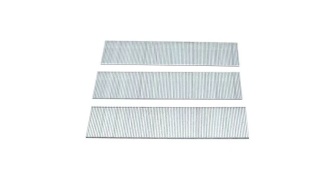

How to Use a Concrete Pin Driver Pro Tips for Drilling and Anchoring in Concrete
When you face a solid slab of cured concrete and must secure a wooden sill plate or a metal bracket, the task often seems quite daunting. Concrete resists penetration unlike soft pine or fragile drywall; instead, it remains tough, rigid, and likely to fracture if mishandled. This is precisely why a concrete pin driver, paired with suitable nails, proves essential. The process involves more than raw power. It requires applying correct principles of physics to ensure that your attachment holds firm for the coming two decades.
At Qinjia, we have observed for many years how our fasteners function in practical applications throughout North America and Southeast Asia. We have witnessed the poor results from using inexpensive nails in dense, high-PSI concrete, and it is far from satisfactory. This guide draws from such practical knowledge, assisting you in selecting appropriate tools from our range to complete the work without frustration.
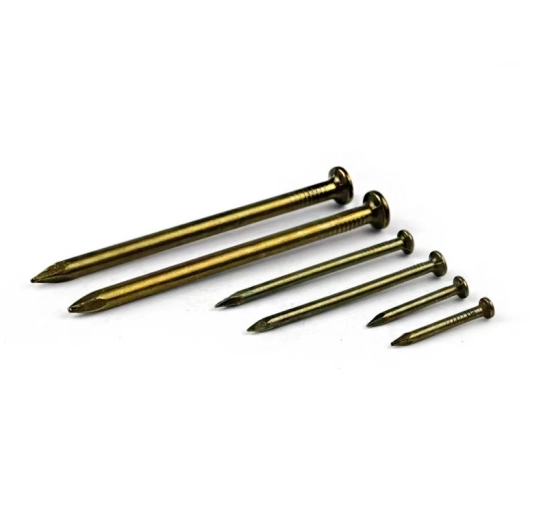
Why Choose High-Carbon Steel Fasteners for Masonry?
Many DIY enthusiasts and even experienced professionals often select just any “hardened” nail from their toolkit. However, for masonry work, you require fasteners that resist deformation upon encountering a chunk of aggregate.
Superior Hardness through Professional Heat Treatment
The key element in an effective concrete nail lies in its carbon composition and the precise heating method applied. Our concrete nails start from high-carbon steel and undergo a rigorous heat treatment procedure, rendering them exceptionally rigid. In our production facility, we employ thread speed testers and portable torque meters to verify that the material withstands the pressure of insertion into a firm wall without breaking. If the steel lacks sufficient firmness, it will bend easily; conversely, if it proves overly fragile, the head may detach. We achieve the optimal balance, sparing you the effort of trial and error.
Enhanced Durability with Specialized Surface Coatings
Consider the issue of corrosion next. Concrete retains water, and when fastening into an outdoor foundation or a moist basement, an uncoated steel nail will quickly develop unsightly rust stains. We provide several protective finishes for our fasteners, including zinc plating, bluing, and phosphating. Zinc plating serves as the preferred option for most exterior applications since it effectively combats rust. Bluing suits indoor tasks where appearance matters, yet the core benefit of these coatings is their ability to preserve the nail’s strength over extended periods.
Reliable Holding Power for Structural Integrity
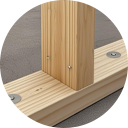
Ultimately, the value of a nail depends on its ability to grip securely. As you insert a high-carbon nail into concrete, it forms a tight mechanical bond, and the surrounding concrete particles compress firmly around the shank. This mechanism explains why our nails earn trust for critical applications, such as joining wood to concrete. Such reliability offers assurance that, once installed, extracting the nail would demand considerable force and tools like a pry bar.
Which Concrete Nail Shank Type Best Suits Your Project?
After choosing the base material, attention turns to the nail’s shank design, where friction dynamics become crucial. Based on your concrete’s hardness and the load the nail must support, one of these three variants from our inventory will fit your needs best.
Angular Spiral Shanks for Maximum Withdrawal Resistance
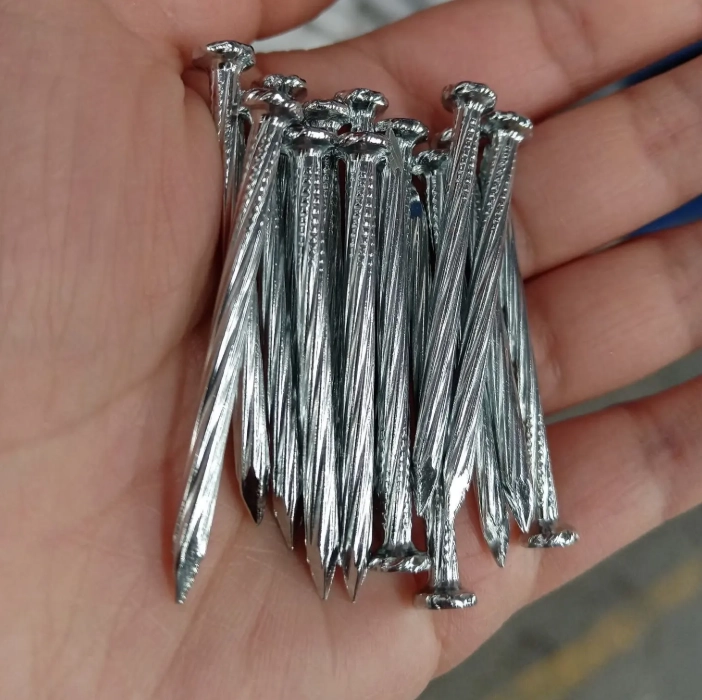
If concern arises about the nail loosening, perhaps due to added weight or ongoing vibrations, then the Angular Spiral Concrete Nail stands out as the strongest option. Its helical pattern functions similarly to a screw thread. During insertion, the nail turns gently, forming its own channel in the concrete, which maximizes contact area. They represent the ideal selection for installations requiring lasting stability without further adjustment.
Smooth Shanks for Easy Installation and General Utility
On occasions when speed is essential, Smooth Shank Concrete Nails offer a straightforward solution. Lacking any shank texture, they penetrate more readily and quickly compared to spiraled types. These suit lighter duties, such as securing a baseboard or fixing furring strips to a brick surface. We produce them in sizes ranging from 1 inch to 8 inches, accommodating most routine tasks.
Spiral Shanks for Balancing Speed and Security
Regard the Spiral Shank as a versatile intermediary that performs well in varied scenarios. It provides some of the threaded hold from the angular design yet drives in with less resistance, which conserves energy during repetitive use. This makes it a dependable choice for framing projects needing better retention than smooth nails offer, though not the utmost strength of angular spirals.
How to Ensure a Professional Finish with a Pin Driver?
With your nails and hammer ready, the question remains: how do you install them without damaging the surface or injuring yourself? A manual pin driver serves as the expert’s tool for achieving a neat result. Essentially, it consists of a sturdy steel sleeve with a sliding mechanism that steadies the nail, preventing misalignment or rebound during impact.
Proper Tool Compatibility and Manual Hammering Techniques
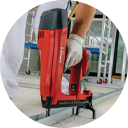
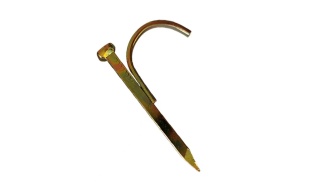
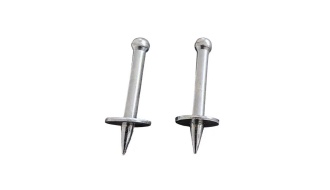
A frequent error involves using a lightweight finishing hammer for this purpose. Instead, opt for added mass, such as a 2-lb sledgehammer or a robust framing hammer, which delivers better results. For our Gas Drive Pins, a dedicated gas-powered nailer becomes necessary. Yet for the conventional concrete nails discussed, manual hammering suffices. Always position the pin driver straight against the surface, because an off-angle strike risks chipping the concrete or warping the nail head.
Precise Depth Control and Flush Surface Alignment
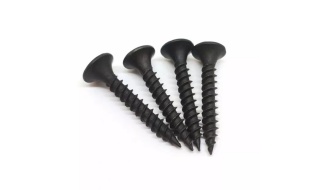
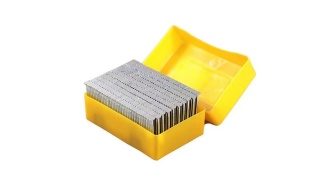
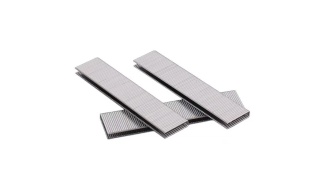
An protruding nail head by even a small amount detracts from the appearance, and overdriving can split the attached wood. In interior settings, such as applying our Brad nails for molding, the head should recess slightly below the surface. For concrete nails, aim for a level fit. The pin driver aids in regulating that last strike, ensuring the head aligns smoothly with the material. This precision matters greatly in applications like Drywall screws or dividing walls, where a even plane prepares for subsequent layers.
Rigorous Quality Testing and Material Verification
Quality control holds high priority in our operations. Prior to shipment from Hebei, every batch of nails receives comprehensive evaluation, covering raw inputs to packaged goods. We inspect measurements, test hardness, and conduct salt spray trials to confirm coating effectiveness. On the worksite, perform your simple verification: ensure the nail’s gauge, typically 2.0mm to 5.5mm in our concrete series, matches any pilot hole you drill. Starting with the correct fastener avoids rework down the line.
FAQ
Q1: Can these nails be used in really old, high-strength concrete?
A: Yes, they can. For particularly dense or weathered concrete, we strongly suggest the high-carbon, heat-treated varieties. In cases of extremely resistant material, a spiral shank may guide the nail more effectively than a smooth one, thereby minimizing rebound risks.
Q2: Do I need to pre-drill a hole before using a concrete nail?
A: Generally, no, and that is the primary advantage of concrete nails. They allow direct driving into masonry. That said, when working near a slab’s edge, drilling a modest pilot hole can safeguard against edge crumbling or spalling.
Q3: What’s the difference between these and the “ST Nails” I see in your catalog?
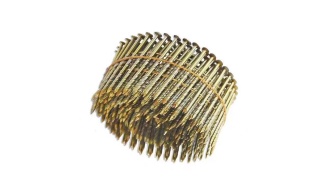
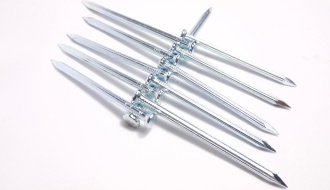
A: Great question. Our ST Nails target use with pneumatic nailers rather than manual driving. They feature greater thickness and suit rapid assembly, like attaching wooden studs to concrete barriers. For large-scale commercial framing, choose ST nails with a compatible tool; for hands-on repairs or modest setups, rely on the concrete nails outlined above.

 Consult
 Whatsapp
 Leave Message
 top
top