



How to Put a Nail in a Concrete Wall Without Destroying Your Drill
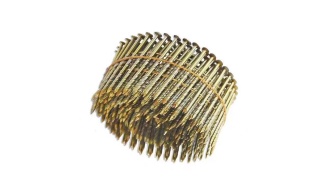
Drilling into concrete ranks as one of the fastest ways to ruin an expensive drill, yet thousands of contractors and builders do it every day without a single burnt motor. The secret is not brute force. It is precision, the right pilot hole, and hardened concrete nails engineered to cut clean rather than fight the wall. For more than 20 years, Qinjia has exported professional-grade concrete nails to over 50 countries, offering smooth, grooved, spiral, and angular spiral shanks plus complete ODM/OEM solutions. Their nails undergo strict 43-58 HRC hardness testing and electro-galvanized coating, so penetration stays effortless and corrosion never becomes an issue. Follow the method below and your drill will thank you.

What Tools Do You Actually Need?
Success starts long before the trigger is pulled. Using the wrong equipment guarantees smoke and frustration.
Essential Hammer Drill with SDS-Plus
A rotary-only drill lacks the hammering action required for masonry. Switch to hammer mode and keep speed below 800 RPM.
Carbide-Tipped Masonry Bits
These bits stay sharp ten times longer than standard steel. Always match the diameter 0.5 mm smaller than your nail shank.
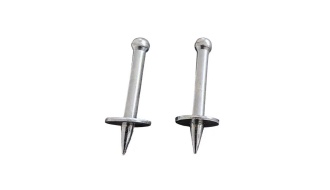
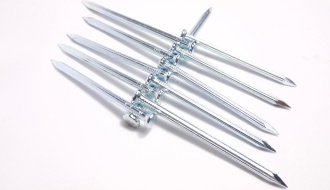
Qinjia Hardened Concrete Nails
Tempered carbon steel enters concrete with far less resistance than generic nails, protecting the drill chuck and gearbox from overload.
How Do You Prepare the Concrete Surface Correctly?
Concrete looks solid until dust and paint make the bit dance sideways.
Dust-Free Surface Cleaning
Brush away loose particles and wipe with a damp cloth. Clean surfaces prevent wandering and reduce heat buildup.
Precise Location Marking
Mark with a pencil and check twice with a level. Accuracy here saves multiple failed holes later.
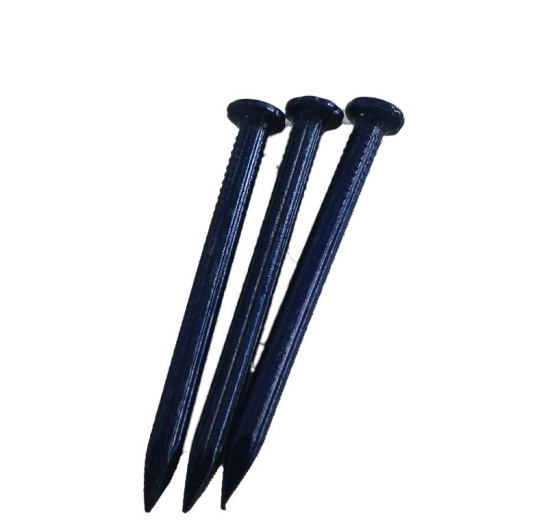
Qinjia Grooved Concrete Nails Selection
Longitudinal grooves lock the nail the moment it enters, so the drill never fights sideways pressure during insertion.
Why Does Pilot Hole Size Determine Drill Life?
Too tight and the bit screams. Too loose and the nail falls out.
Exact Bit-to-Nail Diameter Match
A 4.5 mm bit for a 5 mm nail creates ideal friction. This tolerance keeps torque low and the motor cool.
Controlled RPM and Light Pressure
Let the hammer mechanism do the work. Short bursts and steady feed rate extend bit life dramatically.
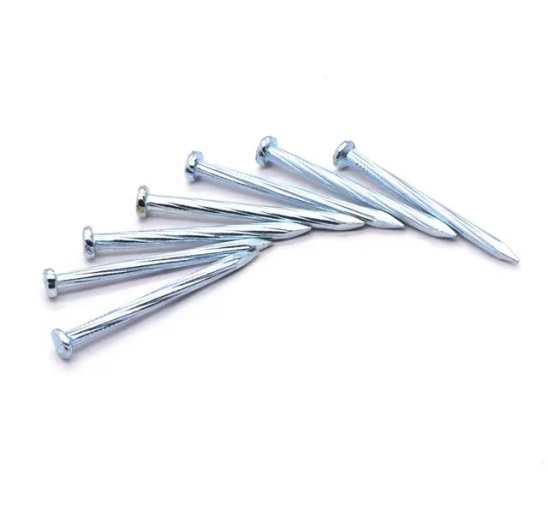
Qinjia Spiral Concrete Nails Advantage
The twisted shank follows the hole like a screw thread, cutting required driving force by up to 30 %. Find the full spiral range of concrete nails spiral.
What Should You Do When the Bit Overheats?
Blue coloring on the tip signals imminent failure.
Water Cooling Technique
Dip the bit in a water cup every 15 seconds or spray a light mist. Cool bits cut faster and last longer.
Immediate Bit Withdrawal Method
Pull back every 5-8 mm to clear dust. Packed debris acts like sandpaper inside the hole.
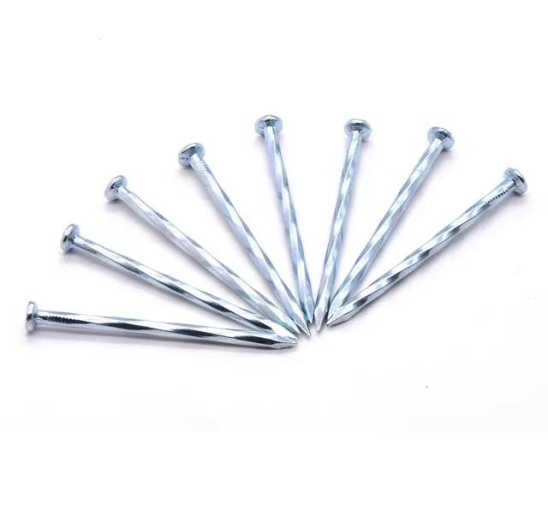
Qinjia Angular Spiral Nails Upgrade
The Angular Spiral Nails have multiple cutting edges clear debris while advancing. This can keep temperatures lower than any other shank design.
How Do You Drive the Nail Without Bending or Breaking?
Even hardened steel bends when technique is poor.
Two-Finger Tapping Rhythm
Grip the hammer near the end and use light, rapid taps until the nail seats 10 mm deep. Only then increase force.
15-Degree Entry Angle Rule
15-A slight tilt prevents skating across the surface and directs shock into the nail instead of the drill.
Qinjia Smooth Concrete Nails Performance
Polished shanks slide in with minimal blows, making them perfect for first-time users. Explore smooth shank options here.
Which Concrete Nail Type Works Best for Your Load?
One size never fits all concrete applications.
Smooth Shank for Light Pictures
Fastest penetration for loads up to 10 kg with almost no hammer effort.
Grooved & Spiral for Medium Duty
Extra surface area doubles holding power for shelves and brackets up to 50 kg. Grooved versions available here.
Angular Spiral for Maximum Holding Power
Multi-faceted spiral delivers the strongest grip, routinely exceeding 100 kg pull-out resistance in solid concrete.
What Are the Biggest Mistakes That Kill Drills and Nails?
Wrong Hardness Rating Choice
Nails softer than 45 HRC crumple on contact, transferring brutal shock to the drill gearbox.
Excessive Hammer Force
One full swing can stall the motor or fracture the concrete around the hole.
Skipping Qinjia Quality Certification
Every production batch passes salt-spray, hardness, and penetration tests so performance remains consistent worldwide.
Ready to Stop Destroying Drills and Get Professional Results?
One-Stop ODM/OEM Customization
Create private-label packaging, custom lengths, or exclusive shank patterns with minimum orders as low as 50,000 pieces.
Free Samples & Fast Global Shipping
Request samples today and receive them in 5-10 days anywhere in the world.
Direct Quote from hbqinjia.com Today
Fill the contact form and get detailed pricing within 24 hours.
Conclusion
Master these ten steps and concrete becomes as easy as drywall. Clean the surface, mark accurately, drill the perfect pilot hole, cool the bit when needed, choose the correct shank for the load, and drive with controlled taps. Most importantly, use properly hardened concrete nails that cut instead of fight. Cheap hardware costs far more in ruined tools and wasted time. Invest once in proven quality and every job finishes faster, cleaner, and safer. Discover the complete line of smooth, grooved, spiral, and angular spiral concrete nails that professionals trust worldwide.
FAQ
Q1: Can a regular cordless drill handle concrete nails safely?
A: No. Only hammer drills with SDS-Plus deliver the impact needed without overheating or stalling.
Q2: How deep should the pilot hole go?
A: Drill 5-10 mm deeper than nail length so dust escapes and the nail seats flush without bottoming out.
Q3: Are wall plugs necessary with real concrete nails?
A: Never. Hardened concrete nails bite directly into masonry and provide higher shear strength than plastic anchors.
Q4: Which shank offers the absolute strongest hold?
A: Angular spiral consistently outperforms every other design in pull-out and shear tests.
Q5: How fast can samples reach me overseas?
A: Samples ship within 48 hours and arrive in most countries within 5-10 working days with full tracking.

 Consult
 Whatsapp
 Leave Message
 top
top