


How to Properly Apply Torque for Concrete Nail Installation
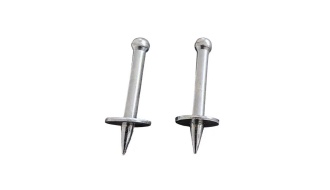
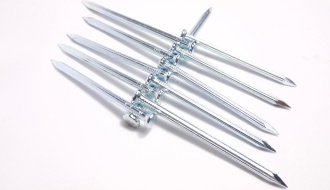
Concrete nails remain a go-to fastener on job sites, particularly when you need to join materials to tough surfaces like concrete, brick, or block. Getting the torque just right while driving them in is not merely a minor detail – it has a huge effect on pull-out strength, overall stability, and how long the connection lasts. Qinjia has spent years perfecting high-quality concrete nails that professionals trust daily. Their lineup, which includes Concrete Nails Smooth, Concrete Nails Spiral, and Concrete Nails Grooved, gives you solid choices no matter the job.
In the sections below, we’ll look at why torque really matters, what influences the amount you need, how to pick the best Qinjia nail for the task, and simple, practical ways to avoid over-driving or wrecking the material.
Why Does Correct Torque Matter in Concrete Nail Installation?
Hitting the sweet spot with torque makes certain every nail does its job properly. Drive it too lightly and the fastener can work loose over months or years. Hammer too hard and you risk splitting the concrete, bending the nail, or creating hidden cracks. Many crews overlook how a small change in force can make or break a whole wall’s strength. When torque is spot-on, stress spreads evenly, damage stays minimal, and every connection turns out reliable.
Stable Load Transfer with Qinjia Concrete Nails
Whether you grab the smooth, spiral, or grooved version, Qinjia concrete nails excel at moving weight and force deep into the masonry. The right amount of driving force locks them in place so loads transfer cleanly instead of concentrating in one weak spot. This becomes especially important when you attach wood studs to block walls or hang heavy fixtures that see constant vibration.
Reduced Crack Risk in Concrete and Masonry
Nobody wants hairline fractures that later turn into big problems. Smashing a nail in with excessive power is one of the fastest ways to start those cracks. Qinjia builds their nails from high-carbon steel and heat-treats the surface for hardness, yet even top-grade nails can’t save you from bad technique. Keeping the hammering controlled dramatically cuts down the chance of damaging the surrounding concrete or brick.
Consistent Fastening Quality across Different Nail Types
Pick any style – Smooth, Spiral, or Grooved – and proper torque delivers the same strong result every single time. Because Qinjia holds extremely tight manufacturing tolerances, a steady driving force means fewer bent nails, fewer pull-outs, and far fewer callbacks after the job is done.
Which Factors Influence the Required Torque for Concrete Nails?
Torque isn’t a one-size-fits-all number. It shifts depending on the wall you’re working with, the nail style in your hand, and the tool you swing or pull the trigger on. Ignoring these details often leads to sloppy work, weak joints, or cracked surfaces.
Concrete Density and Substrate Hardness
Old-school 2500-psi concrete behaves differently from modern 5000-psi mixes. Harder, denser material naturally asks for a bit more controlled force to seat the nail fully. Softer blocks or lightweight concrete forgive mistakes more easily. Qinjia lets you match nail hardness to the wall instead of guessing and hoping.
Nail Shank Design such as Smooth, Spiral, or Grooved
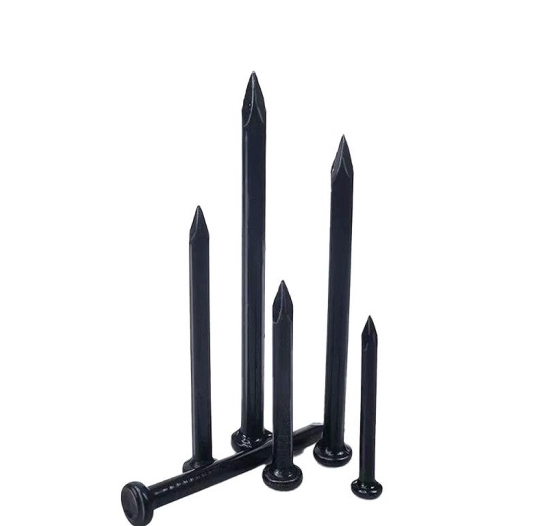
Shank shape changes everything. Smooth shanks glide in quickly but depend heavily on precise torque for grip. Spiral shanks literally screw themselves deeper as you strike, giving outstanding holding power with less brute force. Grooved shanks bite aggressively yet still allow smooth penetration when you keep the impact reasonable.
Tool Type and Impact Strength Used on Site
A framing hammer, an electric rotary hammer, or a powder-actuated tool all deliver force differently. Even excellent Qinjia nails can buckle if the tool slams inconsistently. Following Qinjia’s simple tool recommendations keeps the driving energy in the safe zone.
How to Select the Right Qinjia Concrete Nail for Controlled Torque?
Choosing the correct nail is about more than length and diameter. The shank pattern and finish decide how much force you actually need to apply and how well the fastener will hang on afterward.
Concrete Nails Smooth for Standard Impact Applications
Smooth shank nails go in fast and easy with moderate swings. They shine in regular-density concrete where extreme withdrawal resistance isn’t the top priority. Builders love them for general framing or temporary form work because they save time and cost.
Concrete Nails Spiral for Enhanced Grip in Hard Material
The twisted spiral design turns every hammer blow into rotation, letting the nail chew its way into tough concrete or brick. You get phenomenal pull-out strength without having to pound ridiculously hard. These are the go-to choice when the connection has to survive heavy loads or movement.
Concrete Nails Grooved for Anti-Slip and High-Holding Power
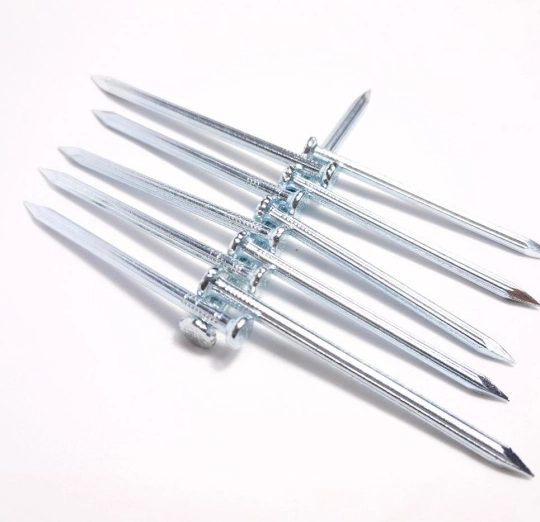
Grooves along the shank act like tiny barbs that lock the nail in place the moment it stops moving. They combine easy driving with outstanding resistance to backing out, making them perfect for overhead work or anywhere vibration is constant.
What Are the Recommended Steps to Apply Torque During Installation?
Great nails still need good technique. Follow these straightforward steps and you’ll rarely have issues.
Pre-Positioning and Surface Preparation Methods
Start by sweeping away dust and loose particles. Mark your spots accurately. In very hard concrete, a small pilot hole (just slightly undersized) prevents wandering and reduces the force needed later. Qinjia always suggests checking substrate density first so you grab the right box of nails from the truck.
Controlled Hammering or Tool Output Adjustment
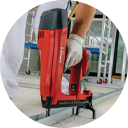
Begin with lighter, deliberate blows and increase only as necessary. With powder-actuated tools or nail guns, dial the power down at first and creep up until the nail seats perfectly. This gradual approach keeps you from overshooting and cracking the base material.
Post-Installation Torque Check and Depth Verification
Once the nail is in, give it a gentle tug or tap the head sideways. It should feel rock-solid with no wiggle. The head ought to sit flush or just slightly below the surface without starring or chipping the concrete around it.
How to Avoid Over-Torque and Nail Damage in Real Projects?
Driving too hard is often worse than driving too soft. Bent nails, shattered concrete, and ruined tools waste time and money.
Proper Tool Calibration before Concrete Work
Take five minutes to test your powder-actuated tool on scrap material each morning. Hammers don’t need calibration, but consistent swing weight does matter. Staying in control from the first shot prevents nasty surprises later.
Nail Selection Based on Material Thickness and Hardness
Pair the right shank style to the wall. In super-hard precast, reach for spiral or grooved Qinjia nails – they penetrate cleanly without demanding brutal force that would bend a smooth shank.
Real-Time Monitoring of Driving Depth and Resistance
Pay attention to feel. The moment resistance spikes or the nail starts to bow, back off immediately. Experienced crews can sense when a nail is happy long before anything breaks.
FAQ
Q1: Can Qinjia concrete nails be used in high-strength concrete?
A: Absolutely. The heat-treated spiral and grooved versions were made for dense, high-strength mixes and give excellent grip with manageable driving force.
Q2: How do I know if I am applying too much torque?
A: Watch for bent nails, spider cracks around the head, or sudden jumps in resistance. Calibrated tools plus the right Qinjia nail virtually eliminate over-driving guesswork.
Q3: What is the difference between smooth, spiral, and grooved nails?
A: Smooth nails drive quickest and work great for everyday jobs. Spiral nails twist in for superior holding power with less pounding. Grooved nails add aggressive locking ridges that fight vibration and pull-out in the toughest conditions.

 Consult
 Whatsapp
 Leave Message
 top
top