


Concrete Nails vs Common Nails: 5 Key Differences Every Contractor Must Know
On a building site, picking the incorrect fastener might cause major issues. Although they appear alike from afar, concrete nails and common nails serve separate purposes. Driving a standard wire nail into a brick wall often results in twisted metal and damaged areas. This guide explains why the choice affects project strength. It also shows how selecting strong fasteners cuts down on time and expense.
Prior to examining the specifics, consider the top provider in this field. Qinjia, a focused maker from North China, has worked for years to refine fastener production. Beyond being a plant, they act as a reliable ally for builders in North America, the Middle East, and other places. They offer steady supply lines and strict quality controls. For high-carbon steel nails or tailored parts, their skills in heating and finishing guarantee solid work under stress.
What is the Fundamental Difference Between Concrete Nails and Common Nails?
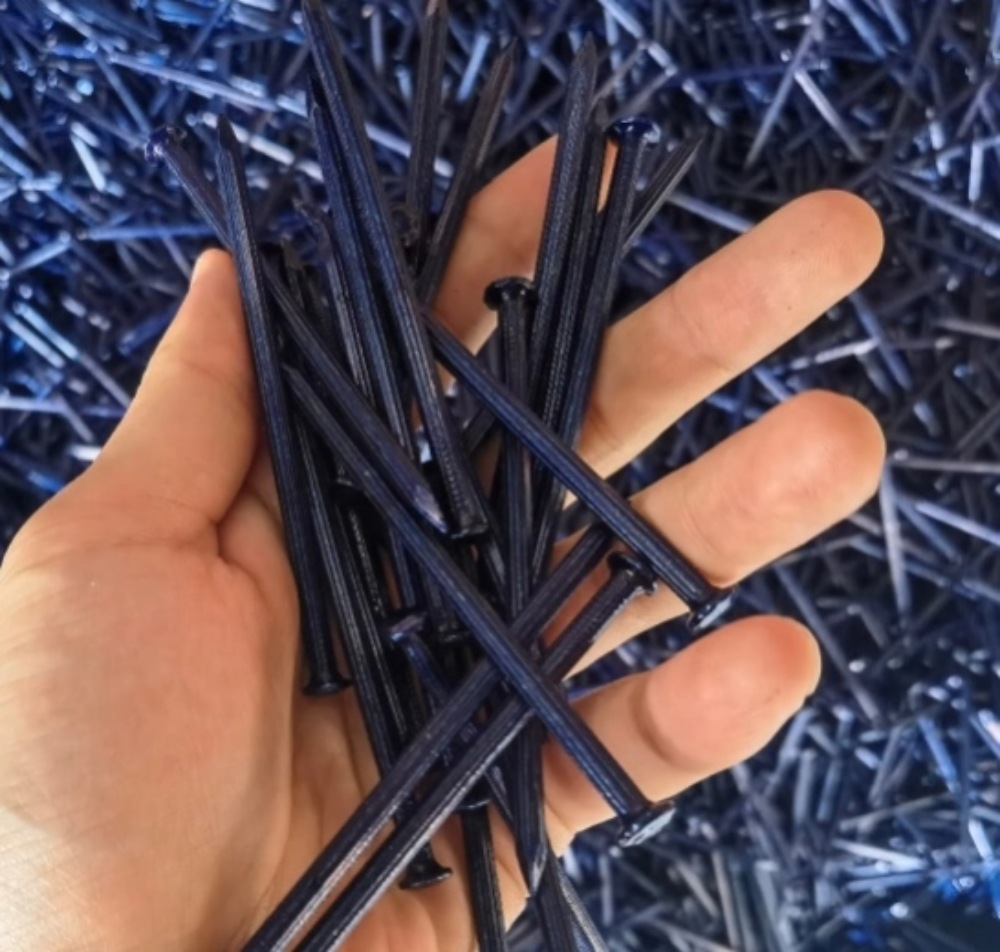
The core gap rests in the metal’s makeup. Attempting to hammer a common nail into a rock wall leads to bending. This happens because it uses mild, low-carbon steel.
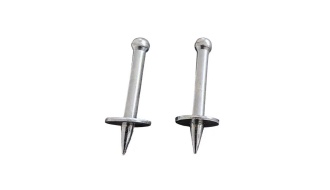
High Carbon Steel Concrete Nails for Masonry
Top-level fasteners for rock and block come from 45# or 60# high-carbon steel. Such stuff delivers the firmness required to enter thick bases without bending. Different from the bendable wire in common nails, high carbon steel concrete nails for masonry stay straight despite strong pushback.
Heat Treated Concrete Nails vs Common Nails Durability
Power comes not only from the stuff but from the method. The finest masonry holders go through a tough cooling and softening routine. When looking at heat treated concrete nails vs common nails durability, the gap stands out clearly. Treated kinds hit a firmness mark (HRC 50+) that lets them cut through rock. Common nails, however, depend on wood’s give to hold on.
Surface Treatment and Galvanized Concrete Nails for Outdoor Construction
Common nails typically have a plain shine finish. This rusts fast in damp conditions. In contrast, galvanized concrete nails for outdoor construction carry a heavy zinc cover that serves as protection. This matters since block work traps water. A rusty nail will swell and split the rock it aims to fix.
| Feature | Common Nails | Concrete Nails |
|---|---|---|
| Material | Low Carbon Steel (Q195/Q235) | High Carbon Steel (45#/60#) |
| Hardness | Low (Pliable) | High (Heat Treated) |
| Primary Use | Wood-to-wood framing | Masonry, Brick, Concrete |
| Bending Risk | High in hard materials | Low (Excellent resistance) |
Which Shank Type Should You Choose for Specific Masonry Tasks?
A nail’s hold depends on its shank design. Common nails often feature a plain, slim form. Masonry fasteners, however, provide unique shapes to boost hold in rock.
Concrete Nails Smooth Shank for Quick Penetration
For routine block jobs where pace counts most, the Concrete Nails Smooth Shank serves as the go-to option. It enters the base with lower push than rough shanks. This suits softer block or filler seams, where too much power could lead to breaks.
Concrete Nails Grooved (Fluted) Shank for Maximum Grip
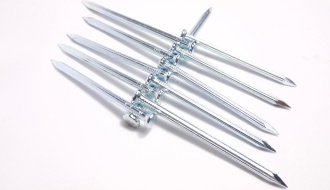
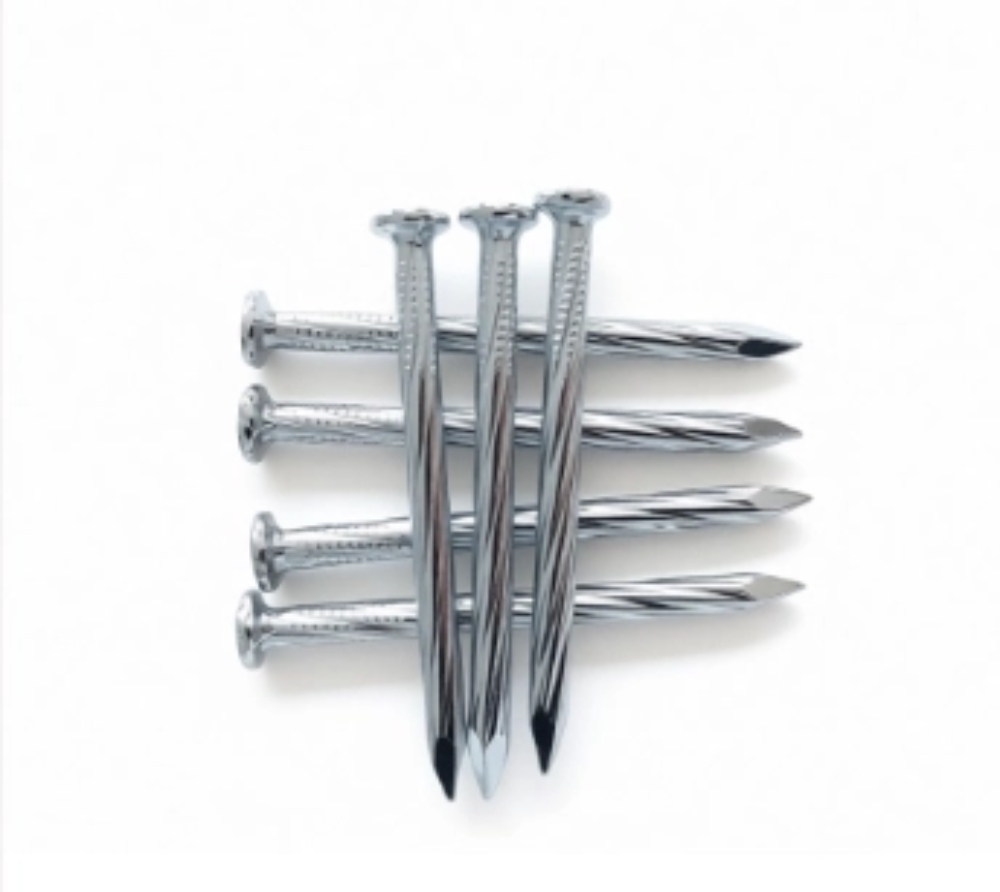
Handling old or strong-PSI rock calls for greater touch area. The Concrete Nails – Grooved (Fluted) Shank includes upright lines down the side. As the nail goes in, these lines form a locking action. This raises pull resistance much more than a basic plain nail.
Concrete Nails Spiral for Heavy-Duty Vibrational Loading
Settings with shakes or moves need a concrete nails spiral build for screw-style grip. The coil in the shank lets the nail turn a bit on entry. Thus, it weaves into the stuff. This offers the firmest choice for lasting frame links that stay tight over years.
How to Select the Best Concrete Nails for High Strength Concrete Walls?
Rock varies in type. A base wall’s PSI rating far outpaces that of a simple yard path.
Hardness Ratings and HRC Standards
Always review the HRC (Rockwell Hardness) score. To enter high strength concrete walls, a nail requires firmness beyond the mix’s stones. Regular wire nails just twist on hit. A special 45# steel nail, though, keeps a pointed edge for steady drive.
Shank Diameter and Length Selection
Basic rules show a wider shank gives better side strength. For tough tasks, pick widths from 3.0mm to 5.5mm. Make sure the nail reaches at least 1 inch into the rock for firm link. It should also have extra length to go through the item being fixed.
Impact Resistance and Safety Performance
Worker safety matters greatly with hard steel driving. Poor nails might break and throw sharp bits at the user. A nail with even softening stays firm enough to enter yet strong enough to take hammer force without cracking.
Why Should Professional Framing Contractors Use Bulk Concrete Nails?
Big jobs make small packs a supply hassle. Bulk buying alone guarantees even quality over the whole site.
Cost Efficiency for Large Scale Industrial Projects
Sourcing bulk concrete nails for professional framing contractors skips the extra fees at nearby stores. Huge works needing thousands of holders gain from much lower single costs. This can boost project gains by 15-20% per now trade patterns.
Consistency in Quality Across High Volume Shipments
A main risk in building is “lot changes.” If one pack gets heating and the next skips it, crews lose time fixing twisted holders. Drawing from one big plant keeps metal work and cover depth the same from start load to end.
Reduced On-Site Waste and Installation Speed
Solid nails cut down on failed hits. A 10% bend rate during setup means losing not just the nail cost but also worker hours to remove and retry. Quality holders allow single-strike placement. As a result, projects stay on track.
| Shank Type | Best Use Case | Pull-out Resistance |
|---|---|---|
| Smooth | General brickwork, mortar | Standard |
| Grooved/Fluted | Hard concrete, structural studs | High |
| Spiral | Vibrating machinery, permanent fixtures | Maximum |
Conclusion and Professional Support
Opting for a common nail over a concrete nails option marks the line between a build that endures years and one that breaks soon. Pairing the proper shank—plain, lined, or coiled—with the base ensures safe, pro results each time.
-
Our Service: Full aid covers tech specs talks to fit advice for your air tools. OEM/ODM options let custom packs or nail specs match local needs.
-
Contact Us: Set to boost your build’s lasting power? Check the main site at hbqinjia.com for the full list or to get a sample of strong holders now.
FAQ
Q: Can I use a common nail in concrete if I pre-drill a hole?
A: A pilot hole helps little, as common nails miss the firmness and side power for solid block hold. They tend to slip as mild steel meets rock’s base nature. Stick to true masonry holders.
Q: What is the benefit of the black phosphated finish on some nails?
A: Black phosphate layers give fair rust guard and a coarser side that aids nail-base ties in rock or filler. Still, for outside work, zinc-coated types beat them for lasting anti-rust.
Q: How do I prevent the concrete from cracking when I drive a nail in?
A: Keep nails at least 3 inches from slab edges. Lined or grooved shanks spread force better than wide plain ones, cutting spot break chances.

 Consult
 Whatsapp
 Leave Message
 top
top