

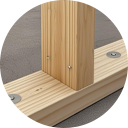
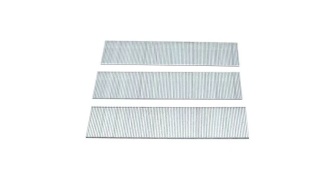

Can Staples Be Used in Lightweight Wood Applications
Lightweight wood projects bring joy and headaches in equal measure. Thin plywood splits at the slightest provocation. Soft pine refuses to hold nails tight. You spend hours clamping, gluing, and praying joints survive the weekend. What if a simple fastener could change everything? Staples deliver speed, strength, and subtlety where hammers fail. Enter Qinjia, a Hebei powerhouse crafting fastening solutions for over a decade. The team masters R&D, production, and export to North America, Middle East, Australia, and Southeast Asia. Full-process quality checks, SGS-ready reports, and OEM flexibility keep distributors smiling worldwide. Now explore why staples belong in every lightweight wood toolbox.
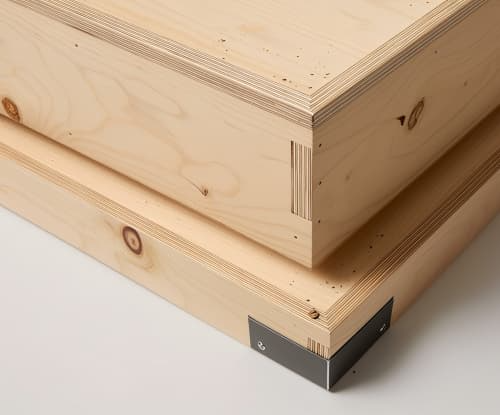
What Makes Staples Suitable for Lightweight Wood Projects?
Traditional nails punch big holes and invite cracks. Staples spread pressure across two legs, cradling delicate grain. Your furniture, frames, and trim stay flawless.
Reduced Risk of Material Damage
Fine legs slice between fibers instead of shattering them. Softwoods like balsa or cedar forgive mistakes. Crown width holds panels flat without dimpling surfaces.
High-Speed Installation Process
Pneumatic guns fire dozens per minute. Cover edges before glue dries. Craft shows and upholstery shops triple output with zero hand cramps.
Adequate Holding Power in Softwoods
Shear strength rivals nails in pine joints. Legs lock layers together. Vibration from daily use rarely loosens the bond.
How Do Fine Wire Variants Excel in Precision Work?
Delicate tasks demand invisibility. Thick fasteners ruin painted moldings. Fine wire staples hide in plain sight while securing forever.
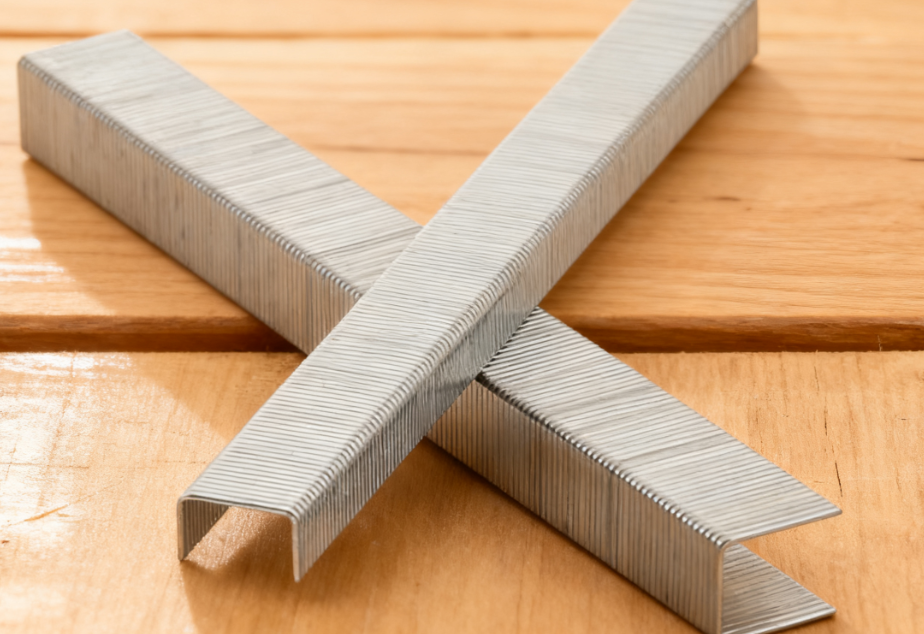
Minimal Visibility in Finish Surfaces
20-gauge wire leaves pinprick marks. Sand once, paint twice, and guests never notice. Perfect for picture frames and decorative boxes.
Compatibility with Narrow Crown Tools
7/16-inch crowns fit 10J series guns. Light trigger pull seats staples flush. Switch from upholstery to cabinetry without changing equipment.
Ideal Leg Lengths for Thin Panels
Lengths from 1/4 inch to 5/8 inch match veneer thickness. No blow-through on 3 mm plywood. Legs clinch gently on the back side.
When Are Heavier Gauge Options Best for Structural Joins?
Light duty ends where loads begin. Subfloors and shelving need backbone. Heavier staples step up without adding weight.
Superior Shear Resistance in Frames
16-gauge wire laughs at sideways stress. Pine studs stay square under bookcase loads. Crowns bite deep for rock-solid corners.
Enhanced Penetration in Dense Softwoods
Cedar knots stop thin staples cold. Heavy duty legs power through resin pockets. Heat-treated points keep edges sharp batch after batch.
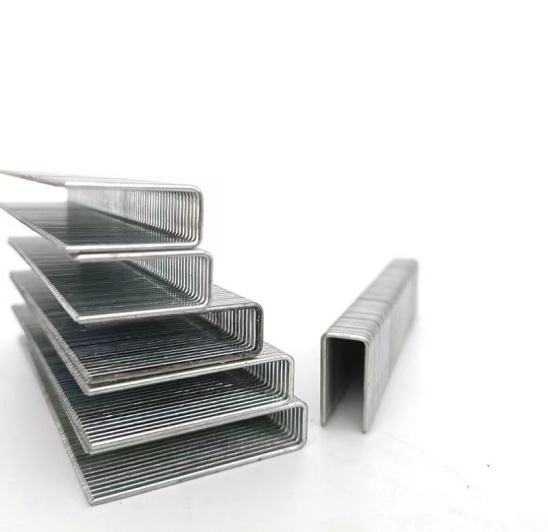
Long-Term Stability Under Load
Joints flex but never fail. Humidity swells wood; staples adjust without popping. Years later, shelves sag from books, not loose fasteners.
What Role Do Medium Gauge Staples Play in Versatile Tasks?
One size rarely fits all. Mixed projects blend trim and structure. 18-gauge staples bridge the gap with grace.
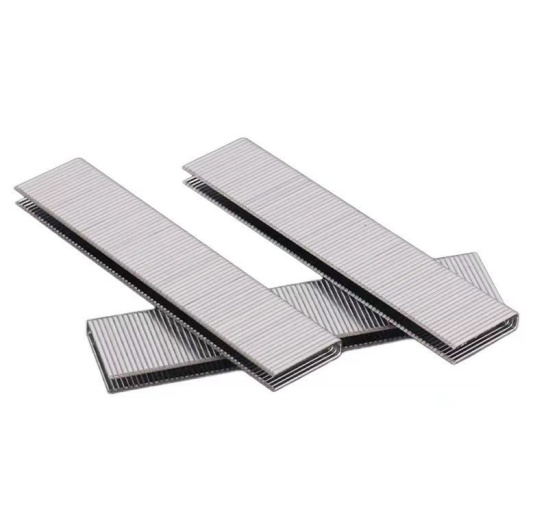
Balanced Strength for Mixed Assemblies
1/4-inch narrow crowns grip tight yet forgive curves. Upholstery fabric meets plywood backs. Strength scales to the job at hand.
Narrow Profile for Confined Spaces
Reach inside drawer boxes or shadow lines. Crowns slip between tight tolerances. No more wrestling bulky nailers in corners.
Application in Cabinetry and Upholstery
Secure webbing, then tack face frames. Same box serves morning and afternoon shifts. Efficiency soars when inventory shrinks.
Which Tools and Methods Maximize Effectiveness in Wood?
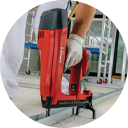
Equipment matters as much as ammunition. Wrong pressure turns staples into surface scars. Master the setup for flawless results every time. Follow proven steps to boost speed, cut waste, and protect delicate surfaces.
Pneumatic Stapler Selection Guide
Match gauge to gun rating for zero jams.
-
Fine wire (20-gauge): Pair with 80-series or 10J staplers; light body, narrow nose.
-
Medium (18-gauge): Use L-series compatible guns; versatile for upholstery and trim.
-
Heavy duty (16-gauge): Choose N-series or 90-series; robust for framing pine. Oil daily with 2-3 drops of pneumatic tool oil. Clean air vents weekly. Misfires vanish; uptime soars.
Optimal Pressure and Angle Settings
Dial in control to match wood density.
| Wood Type | PSI Start | Angle | Tip |
| Balsa / Thin Plywood | 60-70 | 0° flush | Reduce if blow-through occurs |
| Pine / MDF | 80-90 | 15° clinch | Legs curl under for hidden hold |
| Cedar / Poplar | 75-85 | 10° | Pre-compress knots |
Test on scrap until legs seat flush or clinch neatly underneath. Adjust up 5 PSI at a time.
Surface Preparation Best Practices
Prep wins half the battle.
-
Wipe dust with tack cloth; glue bonds stronger.
-
Align grain direction; shear strength doubles.
-
Clamp loose ends tight; gaps close before firing. Glue plus staples beat either alone. Cure times drop 50% when mechanical bonds share the load.
How Do Staples Stack Up Against Traditional Nails?
Old habits die hard. Hammers feel familiar, yet progress waits for no one. Compare side by side and watch staples win.
Faster Cycle Times per Fastener
One squeeze equals one nail plus three swings. Edge banding flies by. Deadlines shrink while quality climbs.
Lower Incidence of Surface Cracks
Nails wedge wood apart. Staples hug fibers together. Reject rates plummet on factory lines and hobby benches alike.
Overall Cost Efficiency in Volume
Bulk boxes slash per-piece price. Less waste, fewer injuries, happier crews. Profits grow when overhead melts away.
Why Choose Qinjia as Your Supply Partner?
Reliability separates survivors from leaders. Specs change overnight; markets demand tomorrow. You deserve a partner who delivers.
Flexible ODM/OEM Customization
Tweak crown width or leg length in days. Private labels ship ready for shelves. Samples prove concepts before containers sail.
Documented Success in Global Projects
Hospital fit-outs in Australia, villas in Turkey. Case files show zero callbacks. Confidence comes from proven track records.
Comprehensive Pre- and Post-Sales Support
Technical hotlines solve jams at 3 a.m. Replacement coils arrive before production halts. Loyalty earns priority scheduling and price locks.
FAQ
Q1: Will staples split thin plywood?
A: Fine wire 20-gauge staples rarely split 3 mm sheets; always test pressure on scraps first.
Q2: Can one stapler handle all gauges?
A: No, match 10J guns to fine wire, N-series to heavy duty, and L-series to 18-gauge for best results.
Q3: Do staples rust in humid workshops?
A: Galvanized coatings withstand storage moisture; choose stainless for outdoor furniture projects.
Q4: How many staples per upholstery chair?
A: Plan 50 to 80 for seat and back; fine wire hides under fabric while holding firm.
Q5: Are heavy duty staples overkill for crafts?
A: Yes for delicate frames, but perfect when pine boards carry real weight like toy chests.

 Consult
 Whatsapp
 Leave Message
 top
top