

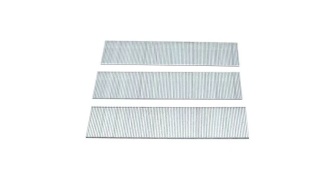

Brad Nails vs. Finish Nails: Which Is Best for Your Projects
Choosing the right fastener is often the difference between a job that looks professional and one that looks like a DIY disaster. When you’re staring at a row of 18GA brad nails and 16GA finish nails, it’s easy to think they’re interchangeable, but they really aren’t. At Qinjia, we’ve seen how using the wrong nail can lead to split wood or trim that just won’t stay put.
What Is the Main Difference Between Brad Nails and Finish Nails?
If you’re working on a high-end interior, you need to understand that these two nails belong to different families. It’s mostly about “gauge”—which is just a fancy way of saying how thick the wire is. The higher the number, the thinner the nail.
Distinction in Gauge and Shank Thickness
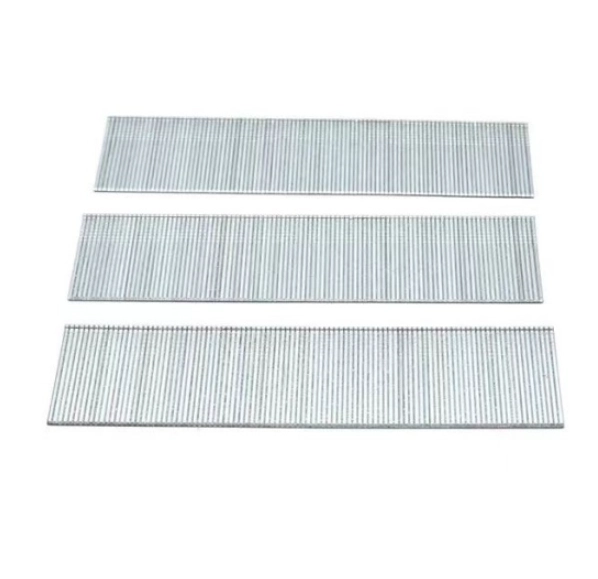
The biggest giveaway is the size. A finish nail usually sits around 15 or 16-gauge, meaning it’s got some meat to it. On the other hand, our 18GA F series brad nails are significantly thinner. Because the shank is so slim, you can fire them into delicate pieces of trim without worrying about the wood popping or splitting right down the middle.
Holding Power and Structural Application
Now, because finish nails are thicker, they have much better “clinch” or holding power. If you’re putting up heavy crown molding or thick baseboards, you want that extra strength. Brad nails are more for the “pretty” stuff—think of them as temporary holds or for light decorative pieces where there isn’t much weight pulling on the nail.
Visibility and Hole Filling Requirements
One of the best things about a brad nail is the head—or rather, the lack of one. The head on an 18GA brad is so tiny it barely leaves a mark. You often don’t even need to go back with wood filler; a bit of paint or stain usually hides it. Finish nails leave a much bigger “dimple” in the wood that you’ll definitely have to fill and sand later.
Why Should You Choose Qinjia 18GA F Brad Nails for Fine Woodworking?
We know that when you’re in the middle of a big project, the last thing you want is a jam in your nail gun or a nail that rusts through the finish in six months. That’s why we take our manufacturing process at Qinjia so seriously.
High-Strength Carbon Steel with Heat Treatment
We don’t just use any old wire. Our 18GA F series is made from high-carbon steel that goes through a specific heat-treatment process. This gives the nail enough “backbone” to drive straight into hardwoods without curling up like a noodle, which is a common headache with cheaper, softer nails you find at big-box stores.
Superior Surface Finishes for Rust Resistance
Interior humidity can do a number on fasteners over time. To stop those ugly rust streaks from ruining your white trim, we offer these nails with quality zinc plating or even copper coatings. It’s an extra layer of protection that keeps the metal clean and the wood looking fresh for years.
Precision Engineering for Pneumatic Tool Compatibility
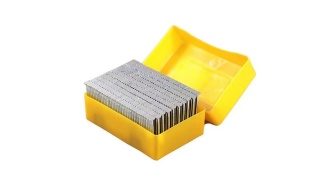
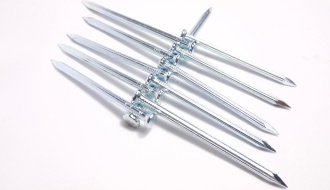
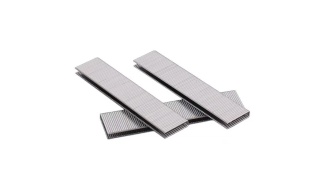
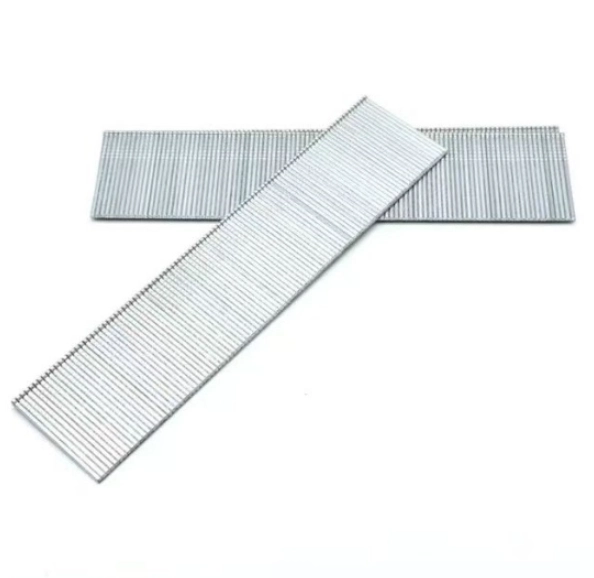
There’s nothing more annoying than your nail gun jamming every ten minutes. We’ve dialed in the collation process—how the nails are stuck together in strips—to make sure they feed smoothly through your pneumatic tools. Whether you’re using a high-end brand or a budget gun, our nails are designed to fire clean every single time.
How Do 18GA Brad Nails Perform in Real-World Applications?
It’s one thing to talk about specs, but it’s another to see how these nails actually behave when you’re out on the job site or in the shop. The 18GA series is really the “Swiss Army Knife” for most finish carpenters.
Perfect Results in Furniture and Cabinetry
If you’re building cabinets, you’re probably using glue as your main bond. In that case, Qinjia’s 18GA F brads are perfect for holding the face frames or decorative side panels in place while the glue sets. They act like a tiny, invisible clamp that stays inside the wood.
Efficiency in Frame Assembly and Joinery
For making picture frames or small craft boxes, a 16-gauge finish nail is just overkill—it’ll blow the corners apart. The thin profile of the 18GA nail lets you get close to the edge of the miter joint without ruining the piece. It’s all about precision here, not brute force.
Ideal Solution for Thin Decorative Trim
Whenever you’re working with “lattice” strips or very thin stop-molding around windows, you have to go with a brad. Anything thicker will almost certainly crack the wood. Our customers across North America and Southeast Asia swear by these for detailed “finish work” where the goal is to make the fasteners disappear.
Is Your Supplier Meeting Global Quality and Compliance Standards?
At the end of the day, a nail is only as good as the factory it comes from. Based in Hebei, Timelessfastener (Hebei Qinjia Metal Products Co., LTD.) has spent years building a supply chain that distributors can actually rely on.
Rigorous Full-Process Quality Inspection
We don’t just check the nails at the very end. We look at the raw material when it arrives and run random checks during production. We even use torque testers and hardness machines to make sure every batch of screws and nails meets the “toughness” we promised in our catalog.
Support for Custom OEM and ODM Requirements
We know that every market is a bit different. Some folks want small boxes for retail, while others need bulk pallets for big construction jobs. We’re happy to handle OEM requests, helping you get the specific packaging or branding your local customers are looking for.
Compliance with International Third-Party Testing
If your project requires official paperwork, we’ve got you covered. We can provide material certificates and even coordinate with third-party inspectors like SGS or BV to verify the quality before the container even leaves the port. We believe in being “transparent” so you can buy with total peace of mind.
FAQ
Q1: Can I use 18GA brad nails for outdoor fencing?
A: Honestly, we wouldn’t recommend it. While our zinc-plated nails have some rust resistance, brad nails are too thin for the structural movement of an outdoor fence. For that, you’d want something much heavier, like a galvanized siding nail or a screw.
Q2: Do these nails work with any brand of nail gun?
A: Yes, as long as your tool is rated for 18-gauge brad nails. Our F series is built to standard industry dimensions (1.25mm width), so they fit perfectly in the most common pneumatic guns used in the market today.
Q3: Why are my brad nails bending when I hit concrete walls?
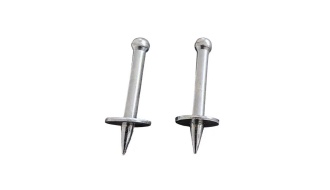
A: Brad nails are strictly for wood-to-wood or thin trim applications. If you need to fix something to a wall, you should look at our Concrete Nails or ST Nails, which are specially hardened to penetrate masonry without snapping.

 Consult
 Whatsapp
 Leave Message
 top
top