


How to Choose the Right Nails for Concrete Walls
A concrete wall is not forgiving. If the nail is too soft, it bends. If the shank does not grip well, the fixing loosens later. If the finish is wrong for the site, rust may show up too soon. So choosing nails for concrete walls is not just a size question. You need to know the wall material, the item being fixed, the tool on site, and whether the work is indoors or exposed to moisture.
Qinjia works on metal fasteners for construction, woodworking, interior finishing, and concrete fastening. For this topic, the most relevant products are grooved shank concrete nails, smooth shank concrete nails, and 14 Gauge Concrete T nails. They are not used in exactly the same way. A buyer ordering for a contractor, warehouse, or resale channel should not treat them as one general product.
What Is the Difference between Concrete Nails and Masonry Nails?
Many buyers search the difference between concrete nails and masonry nails because the names sound close. In daily sales talk, they are sometimes mixed together. But on site, the wall does not care about the name. It only reacts to hardness, impact, grip, and installation method.
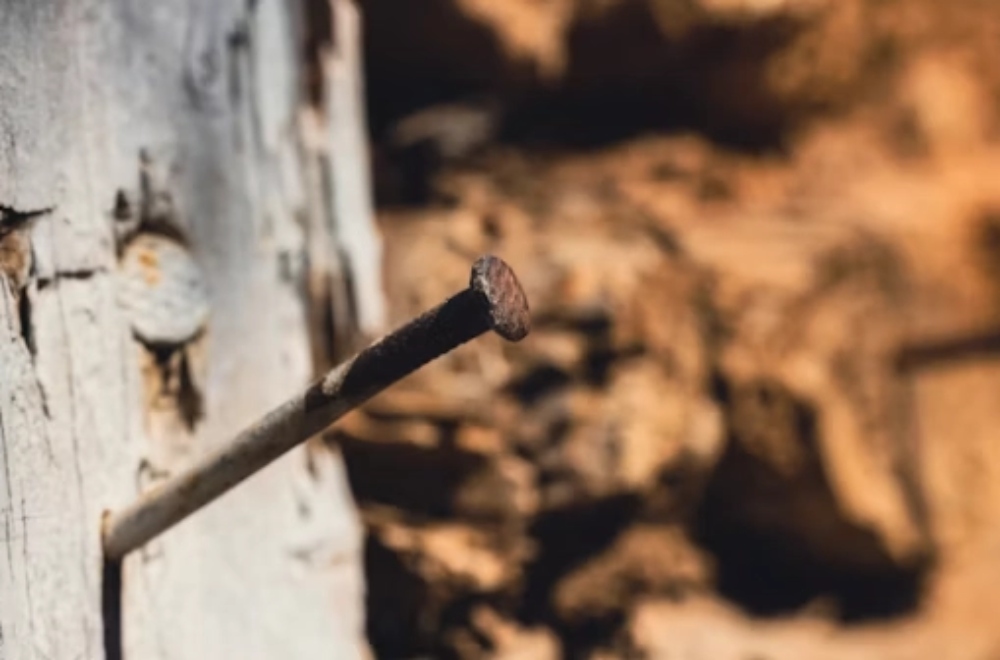
Concrete nails are usually chosen for hard concrete, brick walls, and wood-to-concrete work. Masonry nails may also be used on brick, block, or mortar areas, but the term is broader. If the job is on dense concrete, the safer way is to check the actual nail material and shank, not only the category name.
Material and Hardness
Concrete nails need enough hardness to enter a hard wall without bending too early. Qinjia concrete nails are made from high-carbon steel and heat treated. This matters when the wall is hard concrete or brick, especially for repeated fixing work where bent nails create waste and slow down the team.
For procurement, this is also a complaint-control point. If users report bending, it may not be a simple length issue. The wall may be too hard, the nail may not be the right type, or the installer may need pre-drilling.
Shank Design and Holding Power
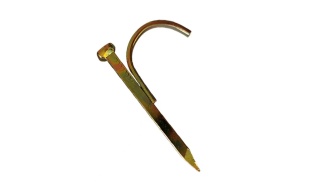
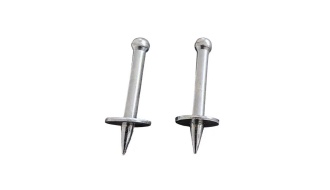
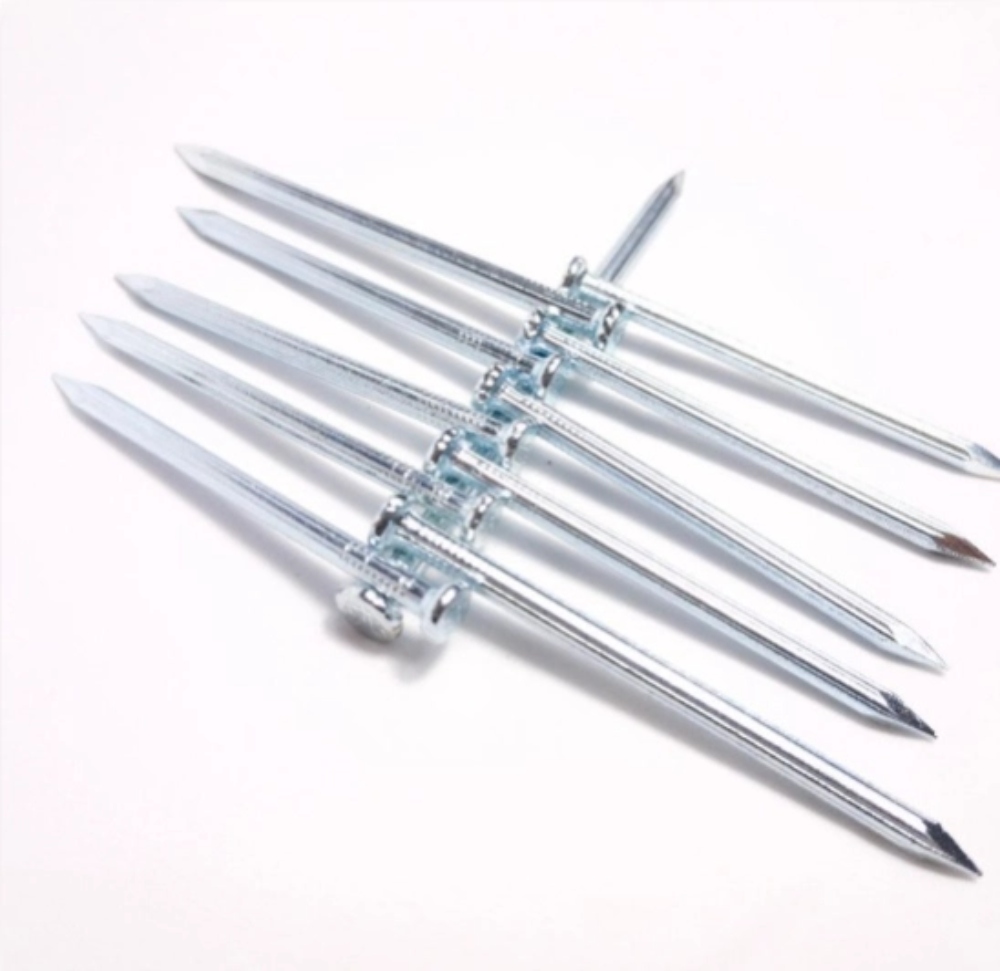
The shank decides how the nail grips after driving. Smooth shank nails are easier to drive. They fit regular fixing jobs where the wall condition is stable and the load is not heavy. Grooved or fluted shank nails bite into the wall more firmly, so they are better when pull-out resistance matters.
If you are comparing concrete nails vs masonry nails strength, do not only compare diameter. Hardness, shank shape, and tool matching usually affect the result more than size alone.
Recommended Applications
Concrete nails are often used for fixing wood strips, light frames, small clips, and basic construction materials onto hard walls. Masonry nails may work for some brick or block work, but they are not always the right answer for hard concrete.
For nails for concrete walls, the key question is simple: what are you fixing, and what kind of wall are you fixing into?
How Do You Choose the Best Nails for Concrete Walls?
The best nails for concrete walls are not always the longest or thickest ones. A nail can be strong but still wrong for the job. For example, a hand-driven nail should not be compared in the same way as a pneumatic T nail. A nail for light indoor fixing should not be judged the same as one used in a damp warehouse or semi-outdoor area.
Evaluating Nail Strength and Size
Start with the real product data. Qinjia concrete nails are available in lengths from 1″ to 8″, with diameters from 2.0mm to 5.5mm. The material is high-carbon steel with heat treatment. These details help buyers match the nail to wall hardness, fixing depth, and expected grip.
For distributors, packing also matters. Qinjia supports small box, plastic wrap, bulk packing, and OEM packing. This is useful when the same buyer serves retail users, contractors, and project customers.
Surface Treatment and Corrosion Resistance
Surface finish should follow the site condition. Qinjia concrete nails can use zinc plating, bluing, or phosphating. For dry indoor work, the finish requirement may be simple. For humid storage, damp rooms, or outdoor-related jobs, the buyer should check anti-rust needs before confirming the order.
A low-cost finish may look acceptable during delivery, but it can create after-sales problems if the product is used in the wrong environment.
Tool Compatibility
Tool matching is often missed during purchasing. Some concrete nails are driven by hammer. Some are used with pneumatic tools. If the nail does not match the tool, the installer may get poor driving depth, bent nails, or slow work speed.
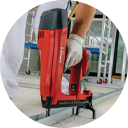
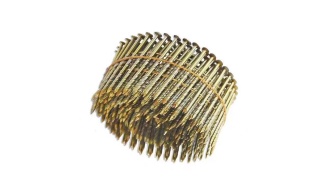
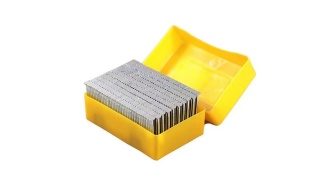
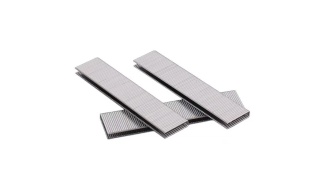
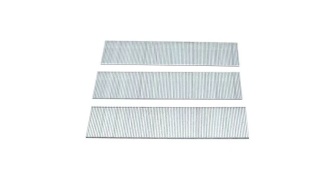
For pneumatic fixing of wood or light steel studs to concrete or brick walls, 14 Gauge Concrete T nails should be checked separately. This product is not the same as ordinary hand-driven concrete nails. It fits repeated interior fixing work better.
How Do You Fasten Wood to Concrete Walls Safely?
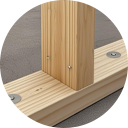
People search how to fasten wood to concrete walls because this job looks simple but fails easily. The most common problems are bent nails, cracked surface material, loose fixing, and wrong nail length.
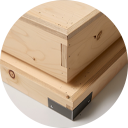
Before starting, check the concrete hardness and wood thickness. If the concrete is very hard, pre-drilling may save time instead of forcing the nail in. Also check whether the fixed wood will carry movement or vibration. A small trim strip and a stud fixing job should not use the same selection logic.
Step-by-Step Installation Guide
Mark the fixing point first. Choose a nail long enough to pass through the wood and enter the concrete with enough grip. Keep the nail straight. Do not hit from the side. If the nail bends halfway, stop and check the wall and nail type. More hammer force is not always the answer.
For small repair work, hand-driven concrete nails may be enough. For repeated framing or partition jobs, pneumatic tools can make the work faster and more even.
Product Recommendations by Working Scenario
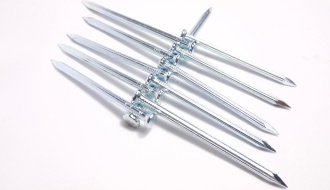
For hard concrete or brick walls where stronger grip is needed, Concrete Nails – Grooved (Fluted) Shank is the product to compare first. The grooved body gives better bite in the wall, so it fits jobs where loosening is a concern.
For lighter fixing and easier hand driving, Concrete nails smooth shank is more suitable. It is a practical choice for regular wall fixing where maximum holding force is not the main requirement.
For nails for wood-to-concrete connections with pneumatic tools, Qinjia 14 Gauge Concrete T nails fits stud fixing work better than ordinary hand-driven nails.
What Mistakes Should You Avoid When Using Concrete Nails?
Most mistakes come from treating all hard-wall nails as the same product. Buyers may only compare price and length, then discover that the nail bends, rusts, or does not hold well in the real wall.
Wrong Nail Type Selection
A masonry nail may work on some brick or block materials. That does not mean it is suitable for dense concrete. If the job needs stable nails for concrete walls, choose a nail made for hard concrete and check its material, hardness, and shank.
Incorrect Installation Techniques
Driving angle matters. A nail driven at a bad angle is easier to bend and may damage the wall surface. The installer should drive straight and use controlled force. If bending happens often, change the nail type or consider pre-drilling.
Ignoring Material and Coating
Indoor partitions, damp rooms, warehouse walls, and outdoor-related areas need different finishes. Before ordering, confirm material, heat treatment, shank design, surface finish, tool use, and packing style. These small checks reduce wrong stock and complaints later.
How Can Buyers Match Qinjia Products to Concrete Wall Projects?
A simple rule helps. Choose grooved or fluted shank concrete nails when the wall is hard and stronger grip is needed. Choose smooth shank concrete nails when the job is lighter and easy hand driving matters more. Choose 14 Gauge Concrete T nails when the work involves repeated fixing of wood or light steel studs to concrete walls with a pneumatic nail gun.
Before ordering, buyers should prepare a few details: wall material, fixed material, nail size range, indoor or outdoor use, tool type, packing style, and whether OEM packing is needed. This gives Qinjia enough information to recommend the right product instead of only matching a length and price.
If your project includes mixed wall conditions, wood fixing, interior framing, or distributor stock planning, share the job details through Qinjia’s contact page. Clear information helps separate hand-driven concrete nails from pneumatic T nails before trial orders or bulk purchasing.
FAQ
Q: What are the best nails for concrete walls?
A: The best nails for concrete walls depend on wall hardness, fixed material, and tool type. Grooved or fluted shank concrete nails fit stronger grip needs. Smooth shank concrete nails fit lighter hand-driven work. 14 Gauge Concrete T nails fit pneumatic stud fixing.
Q: Can masonry nails be used in concrete walls?
A: Some masonry nails can be used on brick or block, but dense concrete usually needs concrete nails with proper hardness and shank design. Check the actual product structure before ordering.
Q: How do I avoid bending nails in concrete walls?
A: Use nails made for concrete, keep the nail straight, avoid side force, and pre-drill when the wall is very hard. If bending happens often, the nail type, size, or installation method may be wrong.

 Consult
 Whatsapp
 Leave Message
 top
top