


Related news
How Does Direct Fastening Technology Improve Jobsite Productivity by 50 Percent?
Managers of big construction sites understand well that each moment saved on the ground level directly boosts the overall profits. Old-fashioned techniques frequently act as a real hindrance to progress. Here, direct fastening makes a real difference. It involves pushing fasteners straight into solid bases without requiring prior holes or extra supports. As a result, teams can avoid the usual hold-ups that delay their efforts. Beyond mere quickness, this approach brings a basic change in handling the building of main frames and final touches.
Why Traditional Drilling is Becoming a Bottleneck for Contractors
Over many years, the usual way to attach metal or wood to concrete followed a slow routine. Workers would mark the position, bore a hole, remove the debris, place an anchor, and then insert the screw. When this repeats for thousands of points in a tall building or factory space, the expenses for labor rise sharply. Moreover, the ongoing damage to drill parts and the tiredness felt by workers lead to unseen costs that cut into earnings.
Switching to a direct fastening setup removes about 70% of these hand-done actions. Teams no longer labor more intensely. Instead, they operate more cleverly with powerful devices that create a lasting connection with one simple action.
How Does Direct Fastening Productivity vs Traditional Methods Compare?
One clear effect stands out right away: the amount of tasks finished every hour. During a standard work period, someone using old drill-and-anchor ways might place 60 to 80 fasteners. However, with a fast-action setup, this figure can rise steadily to more than 400.
Significant Reduction in Multi-step Installation Procedures
The main cause for this big gain in output comes from cutting out the initial preparation stage. In common stone or brick tasks, the sequence of drilling, clearing, and placing takes the longest. Tools based on direct fastening ideas let the fastener serve as both the boring tool and the support. Consequently, the smoother process lets groups travel through the site at a remarkable pace.
Direct Fastening Tools for High Volume Construction Projects
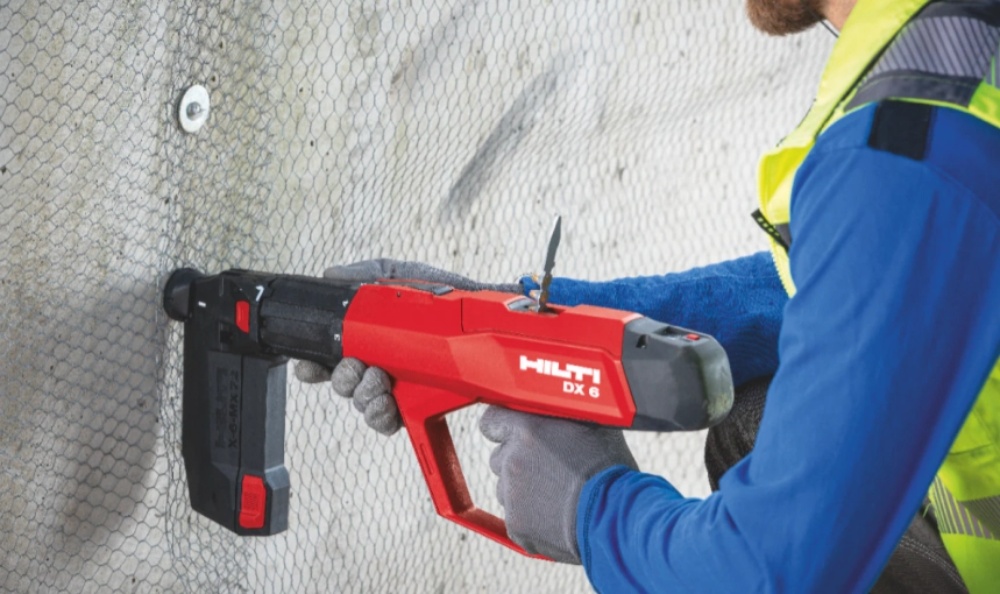
Large-scale efforts, such as those at airports, sports venues, or office towers, demand strong capacity for bulk work. These devices are built for repeated operations. They include clip-loaded mechanisms that permit quick firing of several items one after another. Such an arrangement proves especially useful for fitting rails in wall dividers or fixing wiring holders, especially when hundreds of spots require attachment in just one day.
Eliminating the Need for Pre-drilling and Expansion Anchors
Each opening avoided means savings in the budget. Making holes beforehand produces fine silica particles, so crews must use costly suction equipment and safety gear to handle them properly. Opting for a technique that sends the nail or pin right into the base keeps the area tidier, more secure, and quicker to work in.
| Installation Method | Steps Required | Fasteners Per Hour (Avg) | Tool Maintenance |
|---|---|---|---|
| Traditional Drill & Anchor | 5 (Mark, Drill, Clean, Set, Screw) | 50 – 75 | High (Drill bit wear) |
| Direct Fastening | 1 (Position & Fire) | 350 – 500+ | Low (Piston/Driver) |
Source: Industry Standard Labor Rate Comparisons for Interior Finishing.
Which Materials Benefit Most From Direct Fastening Technology?
The quick pace catches attention, yet the strength of the connection guarantees the lasting quality of the structure. This method depends on heat from rubbing and shifting to fuse the fastener firmly into the base material.
Optimized Performance on Steel and Concrete Substrates
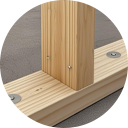
Pushing a pin into steel or concrete squeezes the nearby material, forming a tight hold under pressure. For this reason, direct fastening serves as the top option for metal floor panels and edge wood links to concrete bases. The link forms at once and stands up well against shaking.
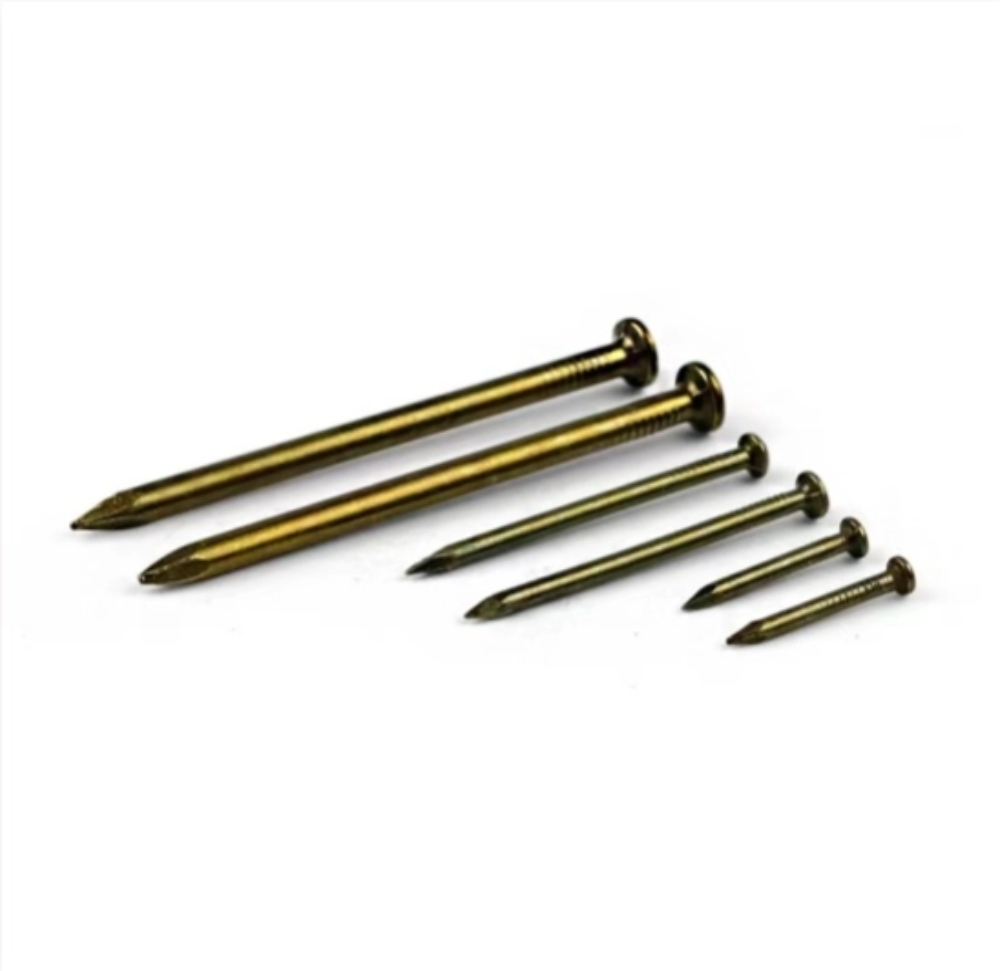
High-strength Concrete Nails Smooth Shank for Structural Stability
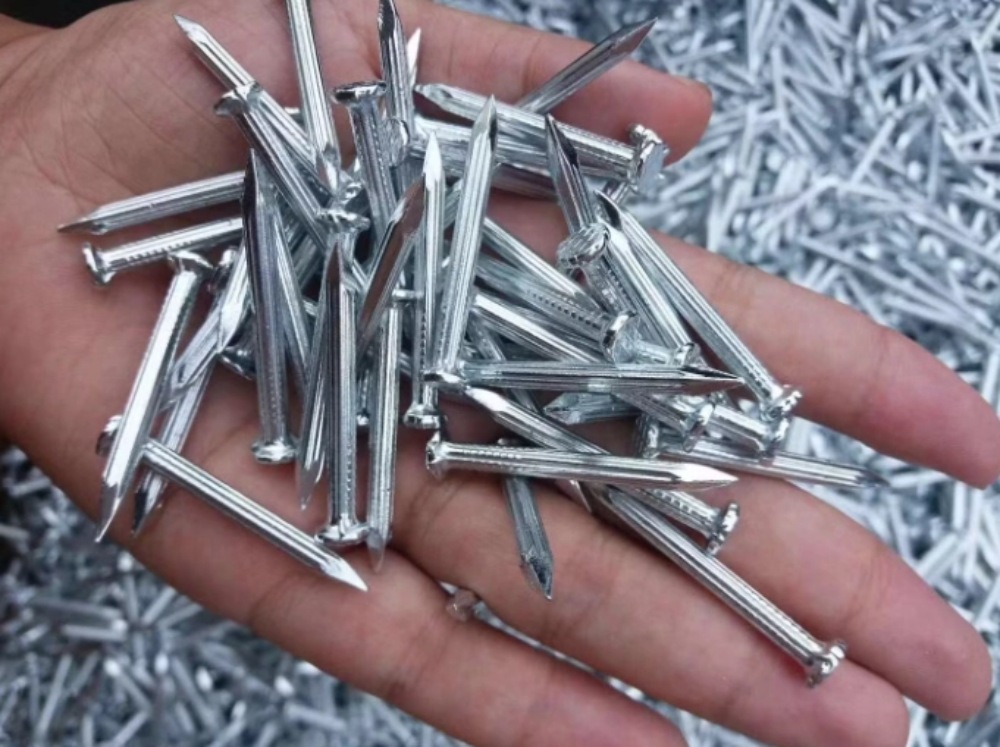
In tough brick or stone work, the Concrete nails smooth shank deliver the required drive force. Made from carbon-rich steel and treated with heat, these nails resist bending or breaking upon impact with dense concrete. Their even surface cuts down on drag as they enter, all while keeping a strong grip via the squeeze of the adjacent material.
Specialized Fasteners for Reliable Metal-to-concrete Connections
Attaching metal rails or supports calls for a device that cuts through the metal and embeds deeply in the base. Special pins avoid problems like bursts or splits in the surface, which might weaken the whole setup’s safety level.
Can High Speed Direct Fastening Installation Lower Total Labor Costs?
Workforce expenses often form the biggest changing part of any building plan. Cutting task time in half does more than trim paychecks. It also lowers extra charges linked to keeping teams on location for additional periods.
Drastic Reduction in Cost per Fastener in Direct Fastening
A better nail or pin may run a bit higher in price than a basic screw. Still, the full cost to set it up drops noticeably. Considering the wage for an experienced worker, those small savings on low-end screws vanish fast in the time used to bore the opening.
Acceleration of Framing and Secondary Structure Assembly
Within room division tasks, pace rules all. Quick sequential fitting lets the frame team complete jobs early. This then permits wiring and pipe experts to start promptly. Such a chain reaction speeds up the full schedule.
Maximizing Output with Gas Actuated Direct Fastening Speed
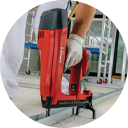
Employing gas actuated direct fastening speed keeps devices free from heavy air units or electrical lines. Fuel-driven tools blend the ease of movement from a basic hammer with the strength of air-based setups. Workers thus navigate platforms and narrow areas smoothly, free from stumble risks.
| Substrate Type | Fastener Type | Typical Pull-out Strength (kN) | Application |
|---|---|---|---|
| Concrete (C30/37) | Smooth Shank Concrete Nail | 2.5 – 4.0 | Sill Plates, Track |
| Steel (S235) | X-U Drive Pin | 5.0 – 8.5 | Steel Decking |
| Solid Brick | Concrete Nail | 1.8 – 3.0 | Electrical Fixtures |
Note: Values vary based on embedment depth and material density.
How to Ensure Fastening Quality in Specialized Wood and Concrete Applications?
Dependability matters every bit as much as quickness. Fasteners must suit the exact thickness of the joined items.
Qinjia Chipboard Screws for Rapid Timber and Board Fixing
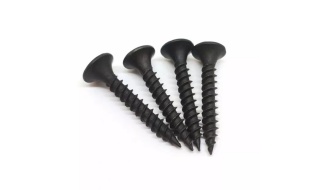
As a project shifts from main concrete work to trim and storage setup, exactness takes center stage. In such cases, Chipboard screw choices prove vital. They feature a slim body and coarse, pointed grooves to stop cracks in chip-based panels and medium-density fiber. For a supplier that grasps the fine points of metal work, Qinjia emerges as a top name in the field. The company focuses on strong attachment devices. It blends long years of production know-how with firm checks on quality. This supports key areas from North America through Southeast Asia. The firm’s skill in delivering steady, factory-level goods positions it as a reliable pick for experts who tolerate no errors in the field.
Superior Grip of Concrete Nails Smooth Shank in Hard Materials
In the toughest old concrete, a proper even-body nail enters cleanly and holds firm. The crucial step involves the heating treatment, which sets the nail’s toughness at HRC 50-54. As such, it avoids the bulging seen commonly in subpar foreign goods.
Balancing Fastening Velocity with Long-term Structural Integrity
Quick action must not risk protection. Fast systems are crafted to deliver even penetration depth. Therefore, each attachment sits correctly, ensuring balanced weight spread over the whole framework.
Why Choose a Strategic Fastening Partner?
Handling the details of direct fastening goes beyond picking up a pack of nails. It demands a dependable delivery network.
Precision Manufacturing and Strict Quality Control Systems
One flawed set of softened nails might halt all operations. Selecting a maker that runs corrosion tests, toughness exams, and twist checks guarantees items align with global benchmarks like SGS or BV.
Professional OEM and ODM Service for Global Distribution
Various regions call for unique specs, from set sizes for Australian wood to custom covers for Middle East moisture. A collaborator providing tailored wrapping and tech tweaks makes sure the fitting tool matches the local conditions.
Struggles with uneven attachment levels or team gripes over frequent breaks in dense concrete can find solutions here. Technical sheets, professional installation guidance, and customized design suggestions come adapted to the weight needs of the effort. Contact us now with details on present base types and job size. We will craft a focused attachment strategy to make the upcoming structure both swift and solid.
FAQ
Q: Does direct fastening work effectively on all types of concrete?
A: It performs well on most regular and robust concrete. For very tough or weathered types, high-toughness even shank nails, built for fast insertion, offer the best drive and hold.
Q: What is the main safety advantage of using gas-actuated tools over powder-actuated ones?
A: These tools show less kickback and skip the permits tied to explosive charges in certain places. They run with minimal mess and fewer leftovers, suiting inside updates and active structures.
Q: Can I use these fasteners for outdoor applications without worrying about rust?
A: Yes, if the right finish is selected. Choices such as zinc covering, darkening, or targeted rust-proof layers provide enduring strength against dampness or open-air settings.

 Consult
 Whatsapp
 Leave Message
 top
top