


Coarse Thread vs Fine Thread Screws A Technical Guide for International Distributors
In large building jobs or local store supplies, tiny parts can shape big outcomes. Picking between coarse thread and Fine Thread Screws goes beyond simple choice; it shapes the strength of walls and fixtures in builds. For sellers worldwide, a wrong thread space might cause damaged spots, lost work time, and weak safety rules. Learning thread hold basics turns suppliers into advisors. This helps buyers get a solid grip each time.
Why Does Thread Pitch Matter for Global Fastener Distribution?
Impact of Thread Design on Structural Integrity
Thread pitch means the gap between threads on a screw. Coarse threads show bigger gaps, so fewer threads fit per inch. This setup grabs rough stuff like wood by covering more area. On the other hand, Fine Thread Screws use smaller gaps with extra threads per inch. More touch spots form here. Such a feature proves key for joining slim or tough items like metal frames. In those cases, added threads stop the part from shaking free or ruining the spot.
Cost Efficiency and Installation Speed for Contractors
Speed counts as key value on job sites. Coarse threads suit quick work; they enter wood nearly two times faster than fine ones. Each turn pushes them ahead more. Yet, trying this on metal often leads to failure. The screw might not break through or could harm the guide hole. Advising clients on the right thread for their base cuts down on lost supplies and worker time. Those elements shape buying choices again.
Compliance With International Building Standards
In areas like North America, Australia, or Southeast Asia, plans and material details must match rules. New wall setups call for set thread kinds based on metal thickness or wood firmness in frames. A wide stock of both types meets big engineering deals. Those require full match to safety info.
Before going into detailed specs, note that getting these exact parts needs a supplier who knows worldwide chain demands. At Qinjia , you are working with a manufacturer that bridges the gap between raw production and expert engineering. Based in China’s main screw area, the group goes past simple making. They improve items via full check systems. This covers thread rate tests and turn checks. For sellers, goods arrive ready to push in and stay put. A real team backs this with focus on ship times like their own runs.
Which Screw Is Best for Softwood and Timber Framing?
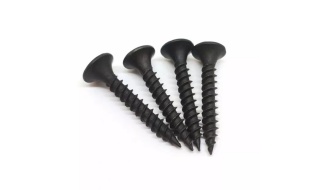
Coarse Thread Drywall Screws for Gypsum Board
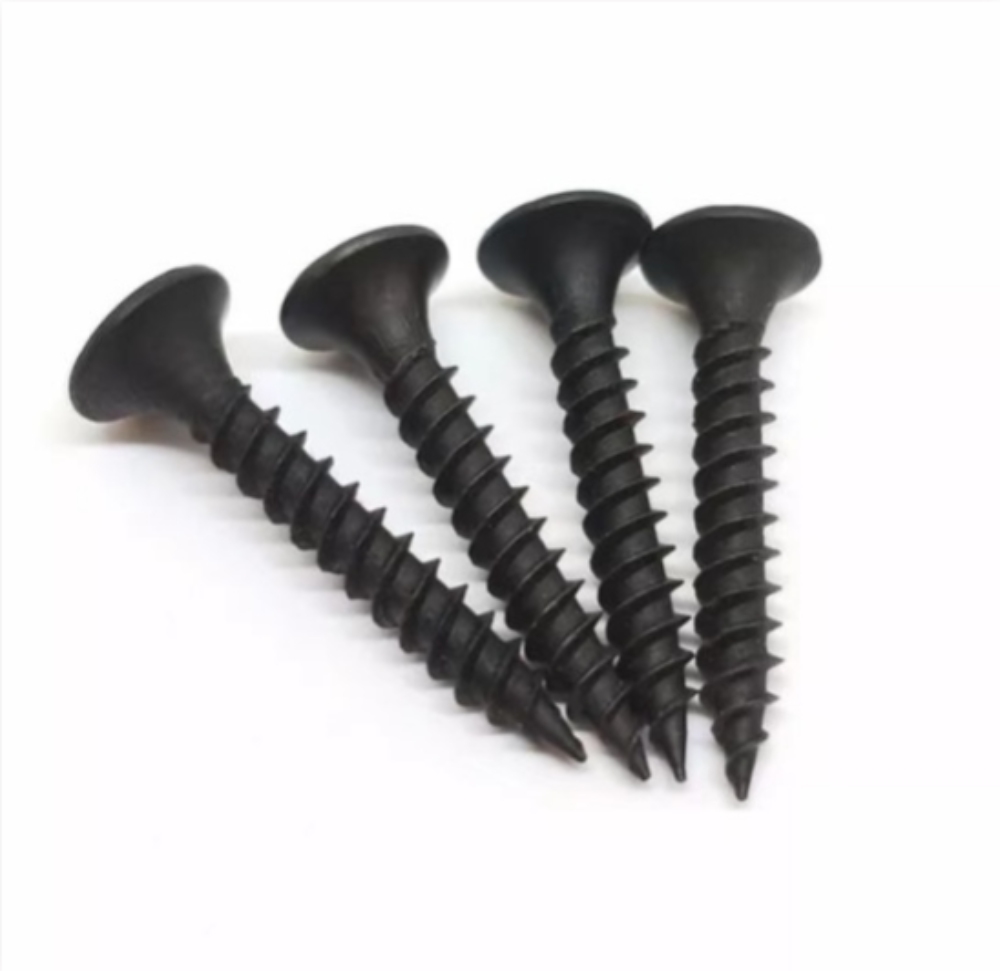
For fixing gypsum panels to wood frames, coarse threads serve as the common pick. Big spaces between threads let the screw cut through wood strands without breaking them down. A strong rub bond forms. This fights wood’s normal swell and shrink.
High Carbon Steel Construction With Heat Treatment
Strength begins with the base metal. Top Drywall Screws come from high-carbon steel. They face strict heat work. This makes the screw firm to cut the panel top. At the same time, it stays solid to take tool turns without head breaks.
Optimized Performance With Black Phosphated Finish
A black phosphate layer guards the screw’s inside. It works as a base coat for basic rust block. The rough top helps filler or paint stick to the head. This happens once the screw sits even with the panel.
How Do You Ensure Secure Fastening in Steel Studs and Hardwood?
Fine Thread Screws for Metal Studs
Thin steel frames bring tough spots: they lack depth for coarse threads to hold and resist easy entry from usual tips. Here, Fine Thread Screws shine. Extra threads mean several grab points form in slim metal right away. A firm lock builds that fights loose fits over periods.
Precision Engineering for High Speed Driving
A good Fine Thread Screws has a pointed, slim tip that slips less on metal. Workers can start it exactly where needed. When threads catch, the small space gives even entry into steel. This avoids the spin issue from coarse types in thin walls.
Versatile Applications in Commercial Partitioning
Business inside builds favor metal frames for fire hold and level lines. Supplies must manage light steel’s closeness. The cone head on these screws matters a lot. It presses the gypsum top without ripping the cover sheet. A smooth end result follows for the last look.
What Makes Chipboard Screws the Ideal Choice for Furniture Manufacturing?
Specialized Coarse Thread Design for Particle Board
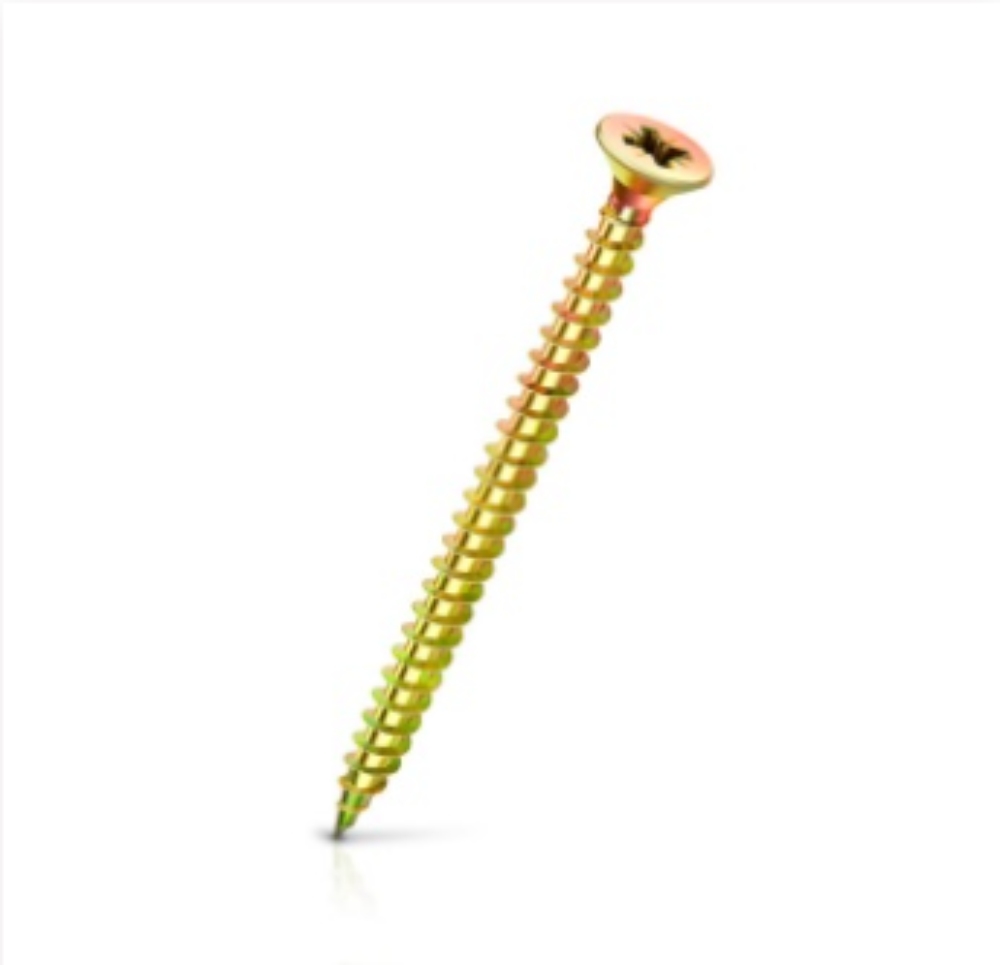
Built woods such as MDF and particle board break easier than real wood. Usual screws often swell or split these. A focused Chipboard Screw has deep, keen threads to slice into the glue-chip mix. This boosts hold in items without wood lines.
Zinc Plated Coating for Aesthetics and Protection
Particle board fits in cabinets and seats, so fastener looks count. A shiny zinc layer stands as the usual option. It gives a clear, metal shine that blocks rust. This pairs well with current fittings. It’s vital for spots with damp air like kitchens or baths.
Countersunk Heads for Flush Surface Finishing
Seat builds need screws that hide or level with the board. The sunk head lets the screw drop into particle board with ease. This stops catches on covers or fabrics. Such a point marks key worth for makers and home users.
Why Is Professional Sourcing the Key for Importers?
Strict Quality Control From Raw Material to Shipping
Quality comes from set tests, not chance. Steel wire checks start at factory entry and run to box loads. Tools like thread pace checkers and mist rooms make sure items work as stated on sites.
Flexible OEM Services and Multi-Category Consolidation
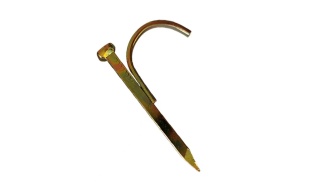
For worldwide sellers, move costs hit profits hard. A maker with Service Customization and group buys lets mixing of wall screws, particle ones, and extras like cement pins or rings in one load. This ease lowers stock needs and smooths buy steps.
Comprehensive Technical Support and After-Sales Service
Ties should last past port leaves. Good makers give full tech details, use tips, and clear plans for issue fixes. If a market needs small heat changes or pack shifts, a quick maker meets them. This keeps sellers ahead.
In the end, picking coarse or Fine Thread Screws rests on the base and job needs. A mix of solid parts gives buyers the fit tool for tasks. This covers tall business walls to home seat work.
FAQ
Q: Can I use Coarse Thread Screws in metal studs if I don’t have fine ones?
A: Avoid it. Coarse threads tend to ruin spots in thin metal, causing loose joins. Stick to Fine Thread Screws for metal setups to get right hold and safe use.
Q: What is the benefit of the bugle head design found on most drywall fasteners?
A: The bugle head shapes like a cone, sinking into panel sheet and fill without surface rips. It leaves a even dip that filler covers for a level end.
Q: Why do Chipboard Screws often have a different thread than standard wood screws?
A: Particle board mixes wood bits and glue. Usual wood screws make it fall apart. Particle screws use slim, sharp threads that slice better, giving strong hold in made wood goods.

 Consult
 Whatsapp
 Leave Message
 top
top