


What Grade Bolt is the Strongest and Why
When you’re staring at a massive construction project or just trying to fix a heavy-duty bracket to a concrete wall, the first question that usually pops up is: “Which fastener isn’t going to snap under pressure?” Most folks jump straight to bolt grades, looking for that Grade 8 or Class 12.9 stamp. But here’s the thing—strength isn’t just about a number on a head. It’s about how that metal handles the specific surface it’s being driven into. At Qinjia, we’ve spent years figuring out that the “strongest” choice often depends on the marriage between high-carbon steel and the right shank design.
Which Material Standards Ensure Maximum Fastener Strength?
If you want something to stay put in a high-strength concrete wall, you can’t just use any old mild steel. You need something with a bit of “backbone.” In the world of professional fastening, we look at the chemistry of the steel and how it’s treated after it’s shaped. It’s the difference between a nail that bends the moment it hits a pebble and one that drives straight through like a needle.
High Carbon Steel with Specialized Heat Treatment
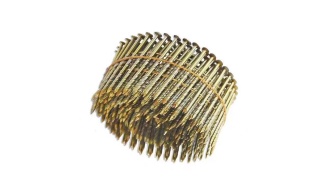
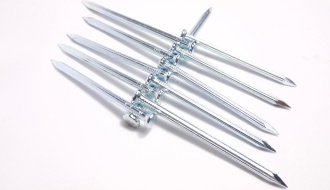
We make our concrete nails from high-carbon steel—specifically 45# steel for our ST series. This isn’t just for show; the high carbon content allows the metal to be hardened through a heat-treatment process. By heating the nails to extreme temperatures and then cooling them rapidly, we lock in a level of durability that keeps the nail from deforming when the hammer or the pneumatic gun hits it.
Superior Tensile Strength for Heavy Duty Concrete
Tensile strength is basically a measure of how much pulling force a fastener can take before it stretches or breaks. For heavy-duty jobs, our nails are engineered to handle the intense internal pressure of cured concrete. Because concrete is such a dense, unforgiving material, the nail needs to be tougher than the substrate it’s entering.
Hardness Levels Designed to Prevent Bending or Snapping
There is a fine line between “hard” and “brittle.” If a nail is too hard, it snaps like glass; if it’s too soft, it turns into a pretzel. Our factory uses a specific quenching process to hit that “sweet spot” where the nail is rigid enough to penetrate 3000+ PSI concrete but flexible enough to handle structural shifts without cracking.
Why Do Shank Designs Impact Holding Power in Concrete?
Once you’ve got the right metal, you have to look at the “grip.” Think of it like tires on a car; a slick tire works differently than a deep-treaded one. In the fastener world, we call this the shank design. Depending on whether you’re looking for a clean entry or a permanent, “never-coming-out” hold, the texture of the nail’s body changes everything.
Smooth Shank Concrete Nails for Fast and Easy Penetration
The smooth shank is the classic. It’s built for speed. Because there are no ridges or threads, these nails slide into the concrete with less resistance, which means less wear and tear on your tools—and your arms. They rely purely on the “pinch” of the concrete around the steel to stay in place.
Spiral Shank Concrete Nails for Increased Frictional Grip
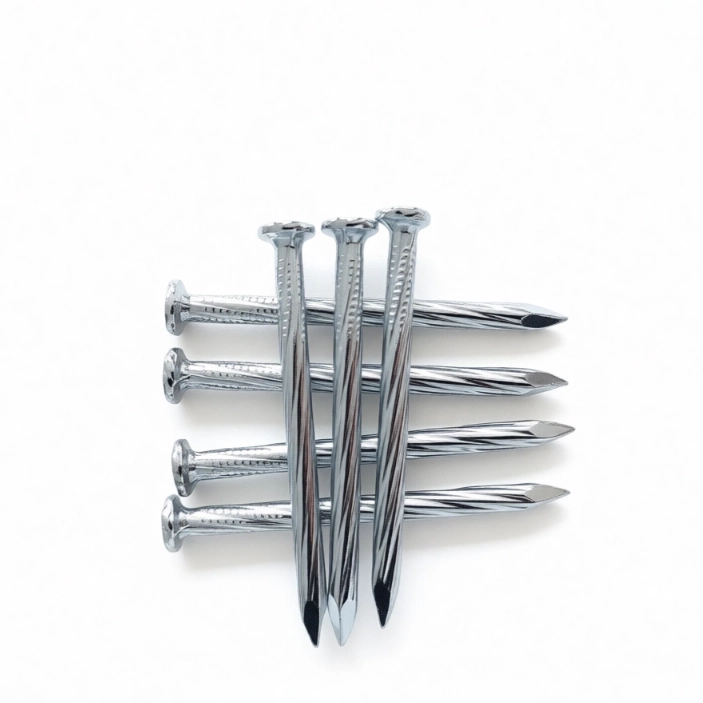
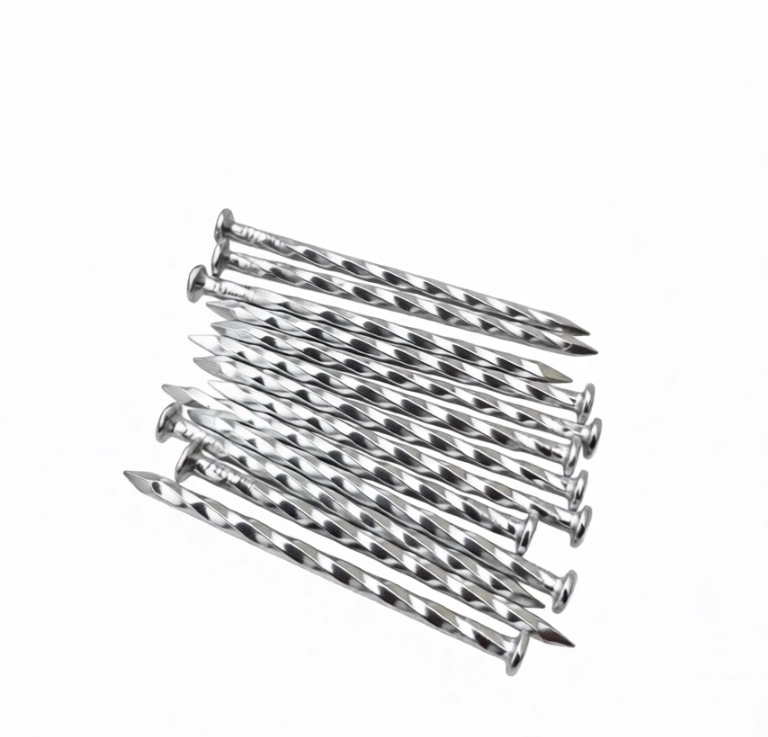
If you’re worried about the nail “creeping” out over time due to vibrations, the spiral shank is your best friend. As the nail is driven in, it actually spins slightly, threading itself into the masonry. This creates a much larger surface area for friction, meaning it takes a lot more “oomph” to pull it back out.
Angular Spiral Concrete Nails for Maximum Withdrawal Resistance
For the most demanding jobs, we go a step further with the angular spiral. These have more aggressive, sharper “threads” compared to the standard spiral. They are specifically designed for those tricky spots where the concrete might be a bit aged or prone to flaking.
How Does Hebei Qinjia Guarantee Product Durability?
It’s one thing to say a product is strong; it’s another to prove it. In our Hebei facility, we don’t just ship boxes and hope for the best. We’ve set up a workflow that treats every batch like it’s going into a skyscraper. We know that if one nail fails in a furniture frame or a pipe hook, it’s the customer’s reputation on the line, not just ours.
Rigorous Quality Control from Raw Material to Shipment
Quality starts at the gate. We check the raw steel wire before it even touches the forming machines. From there, we do random spot checks during the heading and threading process, and another full inspection before anything gets packed into a box. If it’s not straight and the point isn’t sharp, it doesn’t leave the floor.
Advanced Hardness and Torque Testing Equipment
We don’t guess at strength. Our lab is packed with gear like thread speed testers and handheld torque meters. For our drywall screws and ST nails, we actually measure how much force it takes to snap the head or strip the thread. This data lets us tweak the heat treatment in real-time if things look off.
Compliance with International Standards and Third Party Inspections
We know our global clients in the US, Australia, and Turkey need paperwork to back up the quality. That’s why we work with third-party labs like SGS and BV. We can provide material certificates and official test reports whenever a project requires that extra level of “peace of mind”.
Which Surface Treatments Offer the Best Corrosion Resistance?
A fastener is only as strong as its weakest day. If a high-strength nail starts to rust, its structural integrity goes out the window. That’s why we offer a variety of “skins” for our products. You wouldn’t wear a tuxedo to a mud run, so don’t use a polished nail in a damp basement.
Electro-Galvanized Coating for Standard Indoor Protection
For most indoor framing or furniture work—like using our Brad nails or ST nails—electro-galvanizing is the go-to. It gives the steel a shiny, silver finish and a thin layer of zinc that fights off basic humidity. It’s cost-effective and keeps the job looking clean.
Bluing and Phosphating for Enhanced Industrial Durability
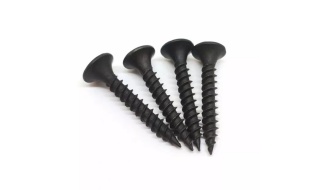
You’ll notice a lot of our drywall screws and concrete nails have a dark, matte black or grey look. That’s black phosphating or bluing. These treatments are great because they actually soak into the surface of the metal, providing a better “key” for paint or joint compound to stick to while offering a solid barrier against rust.
Anti-Rust Coatings Optimized for Harsh Outdoor Environments
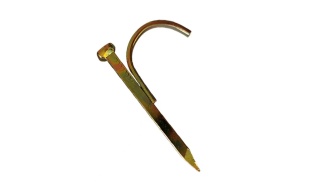
When you’re dealing with outdoor pipe hooks or heavy masonry nails exposed to the elements, we recommend our specialized anti-rust coatings. These are thicker and designed to survive the “salt spray” tests that standard zinc just can’t handle. If you’re building something that’s going to get rained on, this is the only way to go.
[Image showing the difference between rusted and galvanized fasteners]
How Should Professionals Select the Right Concrete Fastener?
At the end of the day, picking the “strongest” fastener is about matching the tool to the task. A huge bolt might be strong, but it’s useless if you’re trying to put up baseboards. We tell our clients to look at the three big factors: what you’re hitting, how much it weighs, and what tools you’ve got in the truck.
Load Requirements for High Strength Concrete Applications
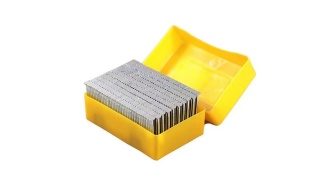
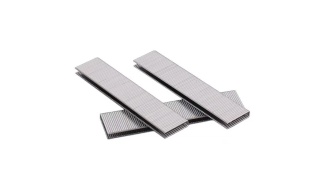
For structural stuff, like fixing wood sleepers to a slab, you need the thickness of an ST nail or a heavy-duty concrete nail. These have the shank diameter to handle “shear” force—which is the weight trying to slide the fastener sideways. For lighter stuff like upholstery or trim, a Brad nail or Staple is plenty.
Compatibility with Pneumatic and Gas Actuated Tools
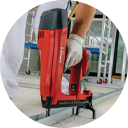
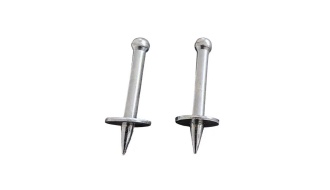
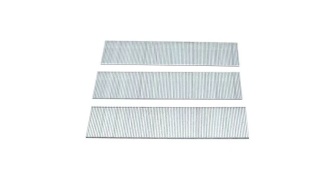
Efficiency is a type of strength, too. If you’ve got a massive job, hammering by hand is a nightmare. Our Gas Drive Pins are designed specifically for gas-actuated guns, letting you fire into steel or concrete in a fraction of a second. Meanwhile, our ST nails are strictly for pneumatic guns—don’t try to use them with a powder charge.
Specific Substrate Needs for Wood to Masonry Connections
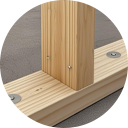
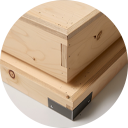
If you’re attaching wood to concrete, you need a fastener that won’t split the wood but will still bite the stone. This is where the 45# steel ST nails shine—they have the toughness to bridge that gap between two totally different materials without failing.
FAQ
Q1: Can I use Qinjia ST nails for framing wood-to-wood?
A: Actually, we don’t recommend that. ST nails are pretty thick because they’re designed to survive being shot into concrete. If you use them for wood-to-wood framing, they’re likely to split your timber right down the middle. Stick to standard framing nails or screws for that.
Q2: Do your concrete nails rust if I use them outside?
A: It depends on the finish you choose. Our basic polished nails will rust if they get wet. However, if you go with our galvanized or specially coated versions, they’ll hold up much better against the weather. For anything “wet-zone,” always ask for the anti-rust treatment.
Q3: What’s the difference between Gas Drive Pins and regular concrete nails?
A: Mainly the “how.” Regular concrete nails are usually hammered in by hand. Gas Drive Pins are high-speed—they’re meant for gas-actuated nail guns. They’re way faster for big commercial jobs and have incredible penetration power in hard steel and cured concrete.

 Consult
 Whatsapp
 Leave Message
 top
top