


Step by Step Methods for Pulling Drive Pins Out of Concrete Without Damage
Drive pins are widely used in construction, steel framing, MEP installation, and temporary fixing jobs because they are fast, strong, and reliable. But when a project moves into renovation, adjustment, or dismantling, removing drive pins from concrete can quickly turn into a problem. Pull too hard, and the concrete chips. Use the wrong tool, and the pin snaps.
This guide breaks down practical, field-tested methods for pulling drive pins out of concrete while keeping the surface intact. The steps apply to common gas-actuated fasteners, including NK, PD, and PDW drive pins manufactured by Qinjia, a supplier trusted by contractors and distributors across North America, the Middle East, and Australia.
What Are The Common Challenges When Removing Drive Pins From Concrete?
Before getting into tools and techniques, it helps to understand why drive pin removal is not as simple as pulling out a nail. Concrete behaves very differently from wood or steel, and drive pins are designed to lock in place, not come back out.
Concrete Surface Damage Risks
Concrete cracks and chips under point stress. When force is applied at the wrong angle, especially near edges or corners, the top layer of concrete can break away with the pin. This is common in renovation work where surface appearance still matters, such as exposed ceilings, industrial floors, or prefab concrete panels.
Pin Head Deformation Issues
Many drive pins deform slightly on impact, which is exactly what gives them holding power. However, this also makes gripping the head difficult during removal. If the head flattens or sinks below the surface, standard pliers may slip, leading to wasted time and damaged fasteners.
Tool Compatibility Concerns
Not all extraction tools work well with hardened drive pins. Pins made from heat-treated high-carbon steel, like Qinjia’s NK, PD, and PDW series, are tough by design. Soft or poorly matched tools can bend, slip, or simply fail to get enough bite on the pin.
How Do You Choose The Right Tool For Extracting Drive Pins?
Once the risks are clear, the next step is selecting tools that match the job size, pin type, and concrete condition. Tool choice alone can cut removal time in half.
Manual Extraction Tools For Small Projects
For light-duty jobs or small quantities, basic hand tools are often enough. Locking pliers, nail pullers, and pry bars work well when the pin head is still exposed.
The key is controlled force. Slow, steady pressure reduces sudden stress on the concrete surface. For short NK drive pins used in thin steel tracks or light fixtures, manual tools are usually sufficient if the pin was not over-driven during installation.
Power Tools For Efficient Pin Removal
When dealing with multiple pins or thicker concrete, power tools become more practical. Rotary hammers set to low vibration mode can help loosen the surrounding concrete just enough to release grip without cracking the surface.
Some contractors also use compact angle grinders to cut exposed pin heads, followed by controlled extraction or surface patching. This approach is common on commercial sites where speed matters more than perfect pin recovery.
Specialized Extraction Tools For Heavy Duty Use
Heavy-duty projects often involve PD or PDW drive pins installed through steel plates or structural components. In these cases, dedicated fastener pullers or slide hammer extractors provide straight-line force, reducing side load on the concrete.
These tools are especially useful when working with PDW drive pins, which feature washers for higher load distribution and deeper embedment.
What Techniques Minimize Damage During Drive Pin Removal?
The right tool still needs the right technique. Even experienced installers run into problems if removal steps are rushed.
Controlled Tapping And Loosening Methods
Before pulling, lightly tap around the pin head using a small hammer. This helps break micro-bonds between the concrete and pin shaft. For hardened pins, this step often makes the difference between clean removal and surface spalling.
Using Protective Sleeves Or Block Supports
Placing a thin steel plate or hardwood block under the pry point spreads pressure across a wider area. This simple step protects the concrete surface and gives better leverage.
On finished surfaces, rubber pads or plastic spacers can also be used to prevent tool marks, especially during retrofit work in visible areas.
Applying Lubrication To Reduce Friction
A small amount of penetrating oil around the pin head can reduce friction along the shank. This works particularly well for pins installed for long periods, where dust and moisture increase resistance.
Lubrication is most effective when combined with gentle twisting before pulling straight out.
How Do Different Qinjia Drive Pins Impact Removal Methods?
Not all drive pins behave the same during extraction. Design details matter, and understanding them helps avoid unnecessary damage.
NK Drive Pins Characteristics And Removal Considerations
NK drive pins are commonly used for light steel fixing, cable supports, and general interior applications. Their balanced hardness and clean head design make them easier to grip during removal.
When extracted with locking pliers and steady upward force, NK pins typically release without surface damage, provided the concrete edge distance was respected during installation.
PD Drive Pins Specifics And Pulling Strategies
Qinjia’s PD Drive Pins are designed for higher load applications and deeper penetration. Their stronger holding power means removal often requires pre-loosening steps.
For PD pins, combining vibration, lubrication, and straight-line pulling works best. Avoid side prying, as this increases the risk of surface cracking, especially in older concrete.
PDW Drive Pins Features And Extraction Tips
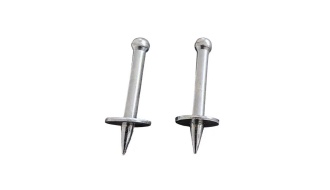
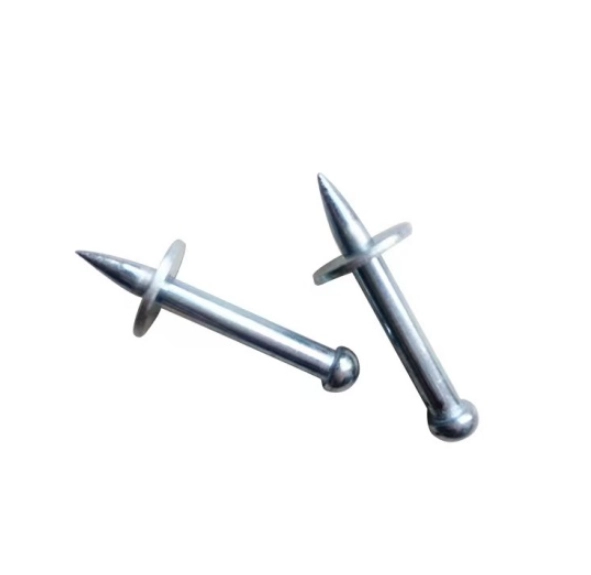
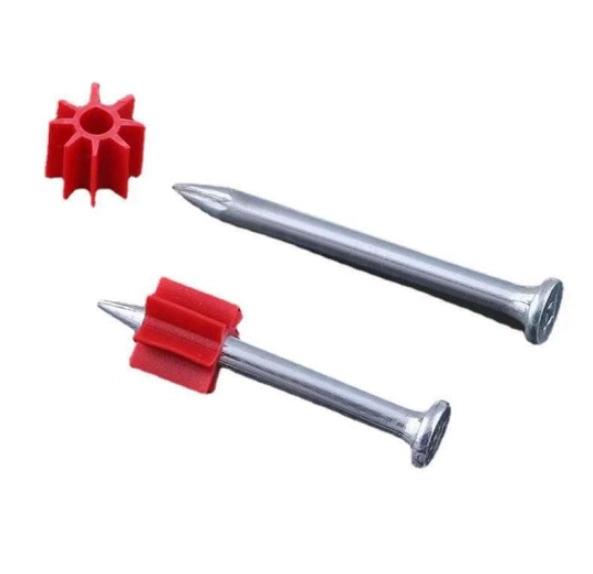
Qinjia’s PDW Drive Pins include washers that distribute load over a larger area. While this improves holding strength, it also means more surface contact during removal.
Slide hammer extractors or specialized pullers are strongly recommended here. Trying to pry PDW pins out manually often leads to concrete chipping around the washer edge.
What Project Scenarios Require Special Drive Pin Extraction Methods?
Some job types demand extra care, even with the right pins and tools.
Renovation And Retrofit Applications
In renovation projects, aesthetics matter. Surface damage can add repair steps and cost. Using protective blocks, low-impact vibration, and slow extraction is critical.
Qinjia drive pins are widely used in renovation-heavy markets because their consistent hardness reduces unpredictable breakage during removal.
Industrial Flooring And Heavy Concrete Projects
Industrial floors often involve high-strength concrete with dense aggregate. Here, pin removal may require partial drilling around the shank to relieve pressure before pulling.
For PD and PDW pins used in these settings, planning removal methods during the original installation phase saves time later.
Temporary Formwork Or Scaffolding Removal Projects
Temporary fixings are designed to come out, but only if installed correctly. Using appropriate pin lengths and avoiding over-driving makes later removal much easier.
Many contractors working with Qinjia specify pin types based on both holding strength and planned extraction, especially in repetitive formwork cycles.
FAQ
Q1: Can drive pins be reused after removal?
In most cases, no. Drive pins deform slightly during installation and removal. Reusing them can lead to poor holding strength and safety risks.
Q2: What is the safest way to remove drive pins near concrete edges?
Use straight-line pullers and protective blocks. Avoid prying sideways, as edge zones are more likely to chip or crack.
Q3: Do washer-type drive pins cause more surface damage during removal?
They can if removed incorrectly. Using proper extraction tools and spreading pressure evenly prevents most surface issues.

 Consult
 Whatsapp
 Leave Message
 top
top