


Collated vs. Loose Fasteners: Which Offers Greater Precision and Why
When you’re standing on a job site, the choice between a bag of loose nails and a box of collated strips might seem like a simple matter of speed. However, if you’ve ever had to fix a wonky trim or deal with a cracked concrete slab because a nail went in at the wrong angle, you know that precision is what actually saves the project. At Qinjia, we’ve spent years watching how professionals use our products in places like North America and Australia. We’ve noticed that while loose nails still have their place, collated systems are winning the “accuracy war” for some very specific reasons.
The Evolution of Fastening in Modern Construction
In the old days, “precision” meant how good you were with a framing hammer. Today, the industry has shifted. Projects have tighter deadlines and higher standards for how the finished product looks. Whether you’re a distributor supplying large-scale engineering firms or a contractor doing high-end residential work, the debate between collated and loose fasteners is really about how much control you have over the drive.
It’s not just about slamming nails in faster. It’s about making sure every single nail—whether it’s the first one of the day or the thousandth—sits exactly where it’s supposed to. Let’s look at why the mechanical nature of collated systems often beats out manual labor when things get technical.
The Mechanics of Fastening Precision
The biggest problem with loose nails is human error. When you’re tired, your swing isn’t as steady. Collated fasteners, like the ones used in pneumatic guns, take that variable out of the equation. Because the nail is held in a fixed position by a plastic strip or wire, the tool forces it to enter the substrate at a perfect 90-degree angle every time.
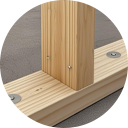
Then there’s depth control. Most modern guns allow you to dial in exactly how deep you want the head to sit. If you’re using ST Nails to fix wood studs to a concrete wall, you don’t want the nail sticking out or buried so deep it cracks the wood. A gas or air-powered tool gives you a level of “set it and forget it” consistency that you just can’t get with a hammer.
Collated Solutions for Structural and Finishing Work
Because of this consistency, collated fasteners have become the go-to for structural integrity. If the fastener isn’t driven straight, its holding power drops significantly. We see this most often in heavy-duty applications where the material is unforgiving, like steel or high-strength concrete.
Coil Nails for High-Volume Precision
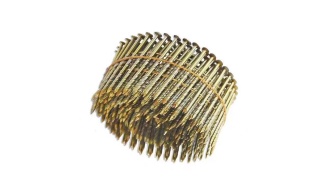
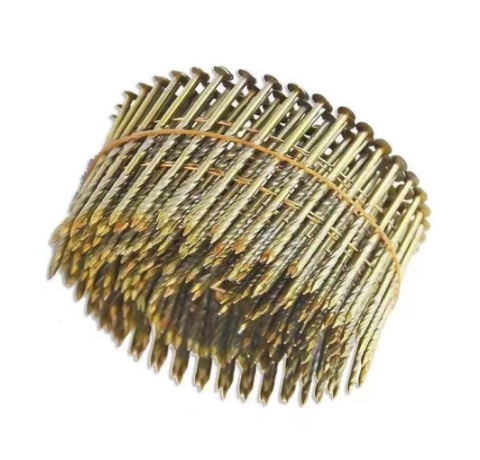
Coil nails are a bit of a workhorse. The way they are collated—held together by a thin wire in a circular “coil”—allows you to load up to 300 nails at once. This isn’t just a time-saver; it helps with precision because the installer stays in a “flow.” You aren’t constantly reaching into a pouch, which means you can keep your eyes on the layout marks. For siding and framing, where you need a specific pattern, this flow is a game-changer.
ST Nails: The Precision Standard for Concrete and Steel
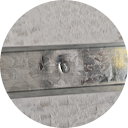
If you’re working with concrete, you usually reach for ST Nails. These aren’t your average nails; they are made from 45# steel and heat-treated so they are incredibly tough. Because they are designed for pneumatic guns, they provide a massive advantage in partition wall construction. Unlike manual driving, where a heavy hit might shatter the concrete surface, the pneumatic drive of an ST nail is a quick, sharp punch that keeps the surrounding material intact.
Brad Nails and Staples: Precision in Finishing
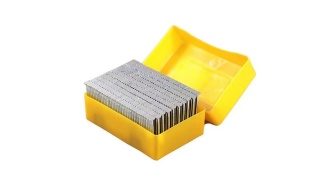
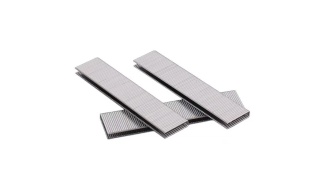
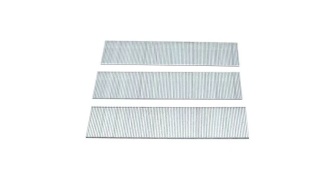
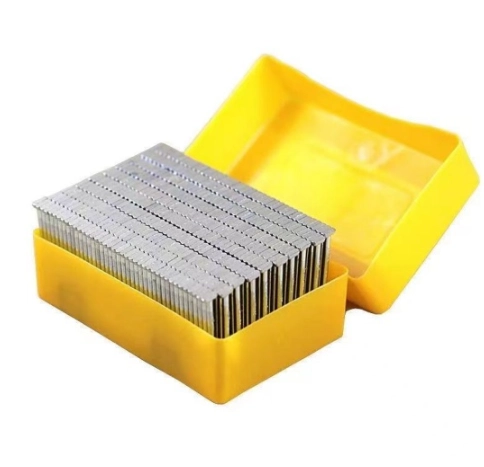
When you move to the “pretty” part of the job—furniture, baseboards, or cabinetry—precision is about being invisible. Brad Nails (especially 18GA and 16GA) are so thin they barely leave a mark. If you tried to drive these by hand, they’d bend instantly. But when they’re collated, the tool supports the thin shank as it enters the wood, preventing splits even in delicate moldings. The same goes for Staples in upholstery; you get a clean, flat fix that doesn’t ruin the fabric.
The Case for Loose Fasteners: When Manual Control Matters
Even with all the tech in the world, there are times when a pneumatic gun is just too much. Sometimes, you need to feel the material to know if the connection is solid. That’s where the “old school” loose fasteners come back into play, particularly when dealing with unpredictable masonry.
Concrete Nails (Grooved)
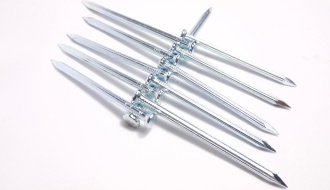
Our Concrete Nails, particularly the grooved or fluted versions, are designed for high-carbon strength. The grooves increase the surface area, giving the nail a “grip” inside the concrete. Why go loose here? Because in older brick or masonry walls, you might hit a soft mortar joint or a very hard stone. Driving these by hand lets you feel the resistance. If the nail “rings” differently, you know right away if the hold is good or if you need to move the nail an inch over.
Efficiency vs. Precision: The Total Cost of Quality
When we talk to our partners in the Middle East or Southeast Asia, the conversation often turns to the “total cost”. Loose nails are cheaper to buy per kilo, sure. But when you factor in the labor time, the cost of dropped nails (which happens a lot with loose ones), and the time spent fixing mistakes, collated fasteners often end up being the cheaper path. Collated fasteners offer cost savings through reduced labor costs and improved efficiency; compared to loose fasteners, they provide superior reliability, with the global collated screws market estimated at USD 535.0 million in 2024 and projected to grow at a CAGR of 4.5% from 2025 to 2030, partly due to their ability to expedite building processes and lower overall project expenses.
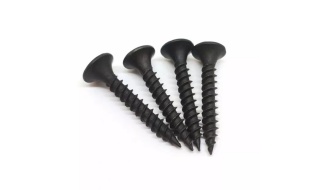
Think about Drywall Screws. If you’re using a collated screw gun, you’re finishing a room in half the time with zero “shiners” (screws that didn’t go in all the way). That’s precision that shows up on the bottom line.
Choosing the Right Fastener for Your Project Requirements
At the end of the day, your choice depends on the substrate and the finish you need. If you’re doing high-volume structural work or fine finishing, go collated. If you’re doing one-off masonry repairs, keep a box of loose grooved nails handy.
| Fastener Type | Best For | Precision Level | Speed |
| Coil Nails | Siding/Framing | High Consistency | Fast |
| ST Nails | Concrete/Steel Studs | High Strength | Fast |
| Concrete Nails | Masonry/Brick | High Tactile Control | Slow |
| Brad Nails | Trim/Furniture | Maximum | Fast |
Conclusion: Elevating Construction Standards with Qinjia
Whether you need the brute strength of a heat-treated Concrete Nail or the surgical precision of an 18GA Brad Nail, the quality of the steel is what matters most. The construction segment accounted for 70.6% of the collated screws market revenue share in 2024, reflecting the growing preference for collated systems in structural and finishing work due to their precision and efficiency advantages. At Qinjia, we put our products through the ringer—torque tests, salt spray, and hardness checks—to make sure that when you pull the trigger or swing the hammer, the result is exactly what you expected.
Check out our full range over at hbqinjia.com to see how we can help you get the job done right.
FAQ
Q1: Can I use ST Nails for framing wood to wood?
A: Actually, no. ST nails are specifically designed with a thicker diameter and high hardness for fixing studs into concrete or light steel. For wood-to-wood framing, they are a bit too thick and might split your timber.
Q2: Do I need a special tool for Gas Drive Pins?
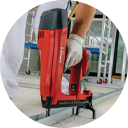
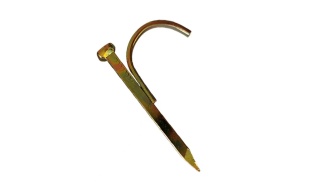
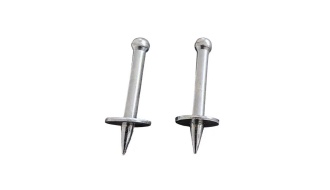
A: Yes, these are meant for gas-actuated nail guns. They are much faster than manual concrete nails because they use a fuel cell to “shoot” the pin into the steel or concrete, which is great for big commercial jobs.
Q3: Will the Zinc plating on your drywall screws stop them from rusting?
A: Zinc plating or black phosphating helps a lot with rust, especially during the construction phase. However, for long-term outdoor use, you’d want to look at specific anti-rust coatings or stainless options depending on how wet the environment is.

 Consult
 Whatsapp
 Leave Message
 top
top