



Avoid Mistakes When Nailing Concrete Walls: Pro Tips & Techniques
Nailing into concrete walls looks simple at first glance. In real job sites, though, it’s one of the fastest ways to waste time, crack surfaces, or snap nails clean in half. Many of these problems don’t come from bad tools or weak concrete. They usually come from choosing the wrong nail type or using techniques meant for wood instead of masonry.
For contractors, installers, and distributors dealing with concrete fastening every day, avoiding these mistakes means better results and fewer callbacks. Drawing on Qinjia’s long-term experience manufacturing concrete nails for global construction markets, this guide breaks down where things go wrong—and how to do it right.
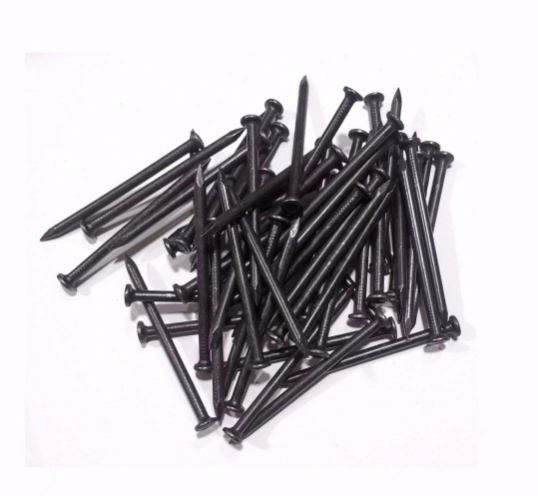
What Are The Common Challenges When Nailing Into Concrete Walls?
Concrete is not a uniform material. Different mixes, curing times, and aggregate sizes all affect how a nail behaves once it hits the surface. That’s why concrete fastening often fails when people treat it like standard carpentry work.
Material Hardness And Nail Selection
Before a hammer ever swings, the biggest decision has already been made: nail selection. Concrete walls range from relatively soft brick and block to high-strength poured concrete. Using a general-purpose nail on hard concrete almost always leads to bending or breakage.
Qinjia concrete nails are made from high-carbon steel and heat treated to reach the hardness needed for masonry. Even then, matching nail design to material hardness matters. Smooth shank nails behave very differently from spiral designs when driven into dense concrete.
Surface Cracks And Structural Integrity
One of the most common complaints after installation is surface cracking. This often happens when nails are driven too close to edges or corners, or when the nail diameter is oversized for the wall density.
Concrete cracks don’t just look bad. Over time, they weaken the holding strength and may lead to loose fixtures. Proper spacing and nail geometry play a bigger role here than many installers expect.
Drill Accuracy And Alignment
Even when pre-drilling is used, poor alignment causes trouble. An angled pilot hole or uneven drilling depth makes the nail fight against the concrete instead of cutting through it. The result is uneven stress along the nail shank, which increases the risk of snapping during impact.
How Do You Choose The Right Concrete Nails For Your Project?
Choosing the right concrete nail is not about picking the strongest option every time. It’s about matching nail behavior to the job conditions.
Matching Nail Type To Concrete Density
For softer masonry like brick or lightweight concrete, smooth concrete nails often perform well. They enter with less resistance and reduce surface damage. For dense, cured concrete, spiral designs offer much better grip once installed.
Qinjia supplies concrete nails in lengths from 1″ to 8″, with diameters up to 5.5mm, giving contractors flexibility across different wall types and load needs.
Comparing Spiral Vs Angular Spiral Nail Benefits
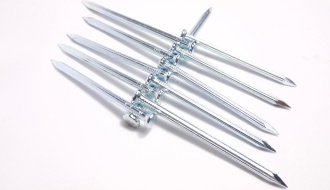
Spiral concrete nails are designed to rotate slightly during installation. This rotation increases friction inside the concrete, creating stronger holding force. They are widely used for medium-load fixings such as wooden battens or electrical fixtures.
Angular spiral concrete nails take this one step further. Their angled pattern cuts into concrete more aggressively, making them suitable for harder surfaces and applications with vibration or pull-out stress. This design is especially popular in markets where concrete quality varies from site to site.
Qinjia’s Concrete Nails Angular Spiral are commonly chosen for demanding projects where failure is not an option.
When To Use Smooth Concrete Nails
Smooth concrete nails still have their place. For temporary fixings, light-duty applications, or softer masonry, they go in cleaner and faster. They also reduce the chance of micro-cracks on finished wall surfaces, which matters in interior installations.
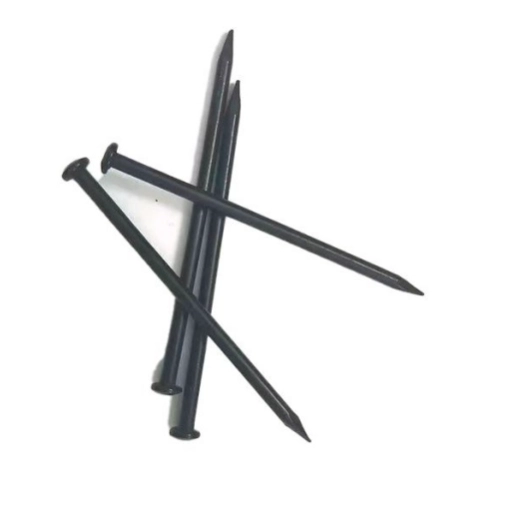
What Techniques Ensure Proper Nail Penetration Without Damage?
Even the best nail will fail if the installation method is wrong. Concrete fastening rewards patience and control more than brute force.
Pre-Drilling And Pilot Hole Practices
Pre-drilling is not always required, but when concrete is especially hard, it saves time overall. A pilot hole slightly smaller than the nail diameter helps guide the nail straight and reduces stress on the shank.
Drilling too deep, though, can be just as bad as drilling too shallow. The nail loses contact with surrounding concrete and holding strength drops.
Controlling Hammer Force And Impact Angle
Heavy swings don’t drive nails better. They usually damage them. Controlled, consistent hammer strikes work better, especially with hardened concrete nails. Keep the hammer perpendicular to the wall to avoid side stress.
Many bent nails come from impact angles that look fine to the eye but are slightly off. Over multiple strikes, that small angle becomes a big problem.
Using Anchors With Concrete Nails
For heavier fixtures, combining concrete nails with anchors can improve long-term stability. Nails handle initial positioning while anchors carry load over time. This hybrid method is often used in commercial interiors and light industrial projects.
Why Does Nail Spiral Design Matter For Concrete?
Spiral patterns are not decorative. They directly affect how force transfers between the nail and concrete.
Enhanced Holding Strength With Spiral Pattern
As a spiral nail enters concrete, the rotation increases contact area. This spreads stress along the shank instead of concentrating it at one point. The result is better pull-out resistance and less cracking.
Qinjia spiral concrete nails are heat treated to keep their shape under pressure, which matters during installation into high-density walls.
Angular Spiral Nails For High-Stress Fixings
Angular spiral nails bite into concrete at multiple angles. This makes them suitable for applications exposed to vibration, such as cable trays or light steel connections.
They also perform better in older concrete where internal structure may be inconsistent.
Smooth Nails For Low-Resistance Applications
Not every job needs maximum grip. Smooth nails reduce insertion resistance and are easier to remove if adjustments are needed later. They are commonly used for temporary formwork or light framing.
How Can You Prevent Surface Flaking And Wall Breakout?
Surface damage is usually a sign of poor preparation rather than weak concrete.
Correct Drilling Depth And Nail Length Match
A nail that’s too long pushes stress deeper into the wall, sometimes causing breakout on the opposite side. A nail that’s too short won’t hold. Matching nail length to wall thickness is basic, but often overlooked.
Qinjia provides flexible size options so installers don’t have to force one size to fit every job.
Minimizing Vibrations During Installation
Rapid hammering increases vibration, which weakens the concrete surface around the nail head. Slower, controlled strikes reduce this effect and result in cleaner finishes.
Sealing And Protecting The Concrete Surface
For exterior applications, sealing around nail heads helps prevent moisture intrusion. Over time, water penetration leads to corrosion and concrete degradation. Zinc-plated and blued finishes from Qinjia help improve rust resistance, especially in humid or coastal regions.
FAQ
Q1: Can concrete nails be used on very high-strength concrete walls?
A: Yes, but angular spiral or spiral concrete nails are recommended. Heat-treated, high-carbon steel nails perform much better in dense concrete than smooth nails.
Q2: Why do concrete nails sometimes snap during installation?
A: Snapping usually comes from incorrect nail choice, angled hammer strikes, or concrete that is harder than expected. Pre-drilling and using spiral designs reduce this risk.
Q3: Are smooth concrete nails outdated compared to spiral nails?
A: No. Smooth concrete nails are still useful for light-duty, temporary, or interior applications where clean surfaces and easy installation matter more than maximum holding force.

 Consult
 Whatsapp
 Leave Message
 top
top