


Square Drive Drywall Screws vs Pozidriv: Key Performance Differences Explained
In building and room finishing work, picking the correct screws can greatly impact both speed and strength. For putting up drywall, two popular options frequently appear: square drive screws and Pozidriv screws. Although each has its own purposes, grasping the main performance contrasts can guide you to select the best one for your job. Qinjia supplies various top-notch drywall screws made for both wood and light steel studs, delivering steady results in many building tasks.
What Makes Square Drive Drywall Screws Different From Pozidriv?
Selecting the proper screw goes beyond just fitting the head shape to the driver. The drive style affects how torque moves, how well it resists slipping out, and how quickly you can install it. Before you begin your drywall or ceiling task, it pays to examine how square drive and Pozidriv screws act in these aspects.
Torque Control And Driving Efficiency
A primary benefit of square drive screws lies in their torque handling. The square slot in the screw head matches closely with the matching driver, which cuts down on the risk of sliding. This proves especially handy when dealing with thicker gypsum boards or chipboard, since those jobs need strong torque for a firm hold. By contrast, Pozidriv screws, though common in Europe, tend to slip more readily under heavy torque, particularly if you drive them by hand or use a basic driver.
Qinjia’s drywall screws include keen, exact threads that enter both wood and light steel studs without trouble. And their build lets the screw grab the material firmly without ruining it, so you get a solid grip that endures.
Compatibility With Screwdrivers And Tools
Square drive screws work well with usual Robertson or square-bit drivers, which you see often at work sites in North America and some Asian areas. This match makes them adaptable to various tools and cuts down on pauses from swapping bits. On the other hand, Pozidriv screws need specific Pozidriv bits. In jobs with several teams or workers, depending on those special bits can slow the setup or cause mix-ups.
When you use Qinjia’s square drive screws, teams can operate smoothly with typical power screwdrivers or impact drivers, and that matters a lot for big interior wall or ceiling jobs.
Head Design And Surface Finish
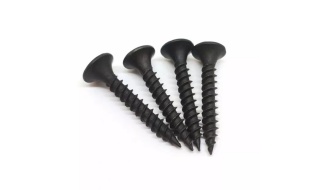
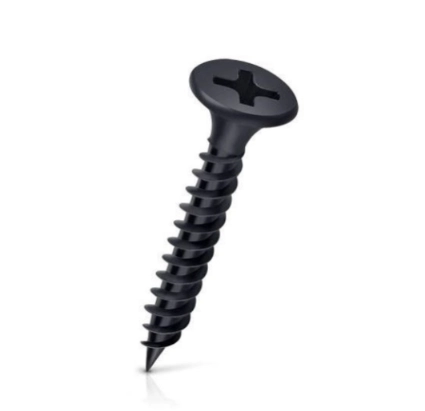
The head style plays a quiet yet key part in setup. Square drive screws usually have a bugle head, which lets the screw sit level with the drywall once you drive it all the way in. As a result, this cuts the need for extra smoothing work and prevents harm to the surface. Pozidriv screws might not give that same even finish, above all if the driver slips a bit while you install them.
Moreover, Qinjia provides drywall screws with black phosphated or zinc-plated coatings. These treatments guard against rust and keep the screw strong in indoor spots, especially where you have some moisture now and then.
How Do Square Drive Screws Perform In Different Applications?
Your screw choice also hinges on the material and job kind. Square drive screws act in varied ways with wood studs, light steel frames, and chipboard panels. And understanding their strong points helps you choose the right fastener for the work at hand.
Interior Drywall And Partition Walls
For regular indoor drywall, square drive screws with rough threads suit best. They hold wooden studs securely and slide in easily without cracking the wood. Qinjia’s drywall screws suit this goal exactly, as they offer reliable thread quality and pointed tips that speed up and simplify the process.
Due to the firm thread hold, these screws keep the panels steady in place, which lowers the chance of shifts or shakes in the wall as time goes on. Plus, their bugle heads aid in creating a smooth surface that prepares well for final touches.
Light Steel Stud Installation
For light steel studs, you prefer square drive screws with fine threads. They go into the metal without too much force, which avoids bending the stud or harming the drywall face. Qinjia makes screws in different sizes like M3.5, M3.9, M4.2 diameters and 25–75mm lengths, so you can pick just right for various steel stud depths.
Such flexibility means contractors can keep even quality in both wood and steel framing without switching screw types during the job.
Chipboard And Wood Panel Applications
Square drive screws also handle chipboard or composite panels nicely. Their rough threads give a great grip, which lessens the danger of breaking the panel. Qinjia’s chipboard screws fit these materials well, as they pair a pointed tip with a square drive for quick and precise setup. In the end, you achieve a sturdy, lasting connection that keeps things lined up over the years.
Why Should Construction Professionals Prefer Square Drive Over Pozidriv?
Past the basic specs, real-world perks often decide which screw a builder picks. Square drive screws offer a few gains that fit well for pro building crews.
Reduced Screw Stripping And Material Damage
Slipping out is a usual problem with Pozidriv screws, mainly under strong torque or with hand drivers. Square drive screws limit that slide, which cuts the chance of ruining the screw head or hurting the material face. This matters greatly with gypsum board, since a strip or rip can weaken the panel and call for more fixes.
Time Efficiency And Installation Speed
In general, square drive screws let you drive faster. With fewer slips, you avoid extra tries and spend less time fixing errors. For big jobs with many walls or ceilings, this quickness builds up, as it saves on worker costs and shortens the overall schedule.
Qinjia’s steady quality makes sure every screw acts as expected, no matter if it’s for home, business, or simple factory builds.
Compatibility With Modern Construction Tools
Current power screwdrivers and impact drivers pair easily with square drive screws. This tool match makes them a smart pick for groups that already use those drivers, particularly in North America, Australia, and places where square drive setups prevail. It removes the hassle of getting special Pozidriv bits, which eases planning for building teams.
How To Choose Between Square Drive And Pozidriv For Your Project?
Despite the strong points of square drive screws, some cases might still call for Pozidriv. To pick the right screw, you need to weigh the material type, setup tools, and job size.
Consider Material And Thread Type
With wood studs, rough-thread square drive screws deliver fine holding strength. For light steel studs, fine-thread ones do better. Qinjia offers screw sizes to fit these, from M3.5 to M4.2 diameters and 25mm to 75mm lengths. A good fit gives a level, safe finish without excess force or cracks.
Evaluate Driver Availability
Think about the drivers you have on site. If your group mainly uses square bits or Robertson drivers, then square drive screws will cut time and mistakes. Pozidriv might suit areas where those bits are normal, but that’s rarer for large indoor jobs.
Prioritize Long-Term Reliability And Corrosion Resistance
Building goes beyond the first setup. Screws have to last. Qinjia screws with black phosphated or zinc-plated coatings fight rust and keep the structure sound. Opting for quality fasteners cuts down on later upkeep and skips fixes for walls or ceilings.
FAQs
Q1: Are Square Drive Drywall Screws Suitable For All Stud Types?
A: Yes, and coarse threads fit wood studs well, while fine threads suit light steel studs.
Q2: Can Pozidriv Screws Cause More Stripping?
A: Yes, Pozidriv screws often slip more, especially with high torque or hand drivers. Square drive screws lower that risk.
Q3: Do Surface Treatments Affect Screw Performance?
A: Yes, they do. Black phosphated and zinc-plated finishes from Qinjia boost rust resistance, so screws endure in damp or ongoing uses.

 Consult
 Whatsapp
 Leave Message
 top
top