

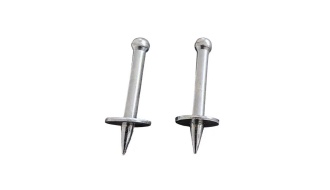
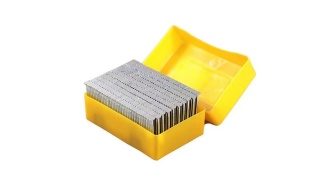
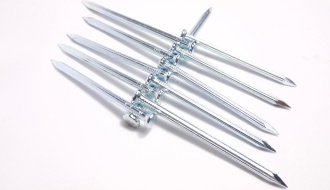
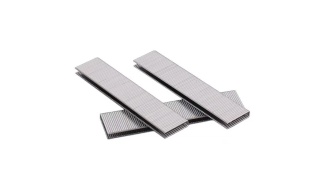
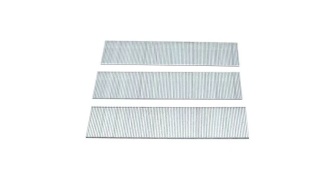

Brad Nails vs Finish Nails Key Differences in Nail Types and Uses
If you enter the world of woodworking or trim carpentry, you likely encounter the terms “brad nails” and “finish nails” frequently. Although they appear similar on the surface, picking the correct type can greatly impact your project’s appearance and lasting quality. Each nail type fulfills particular structural and visual roles, and grasping their variations proves vital for achieving expert-level outcomes—regardless of whether you tackle cabinetry, trim, or paneling tasks.
We can examine these variations closely now. Additionally, we see how established providers like Qinjia, recognized for their focus on reliability and accurate production, supply effective brad nails suitable for home and business settings alike.
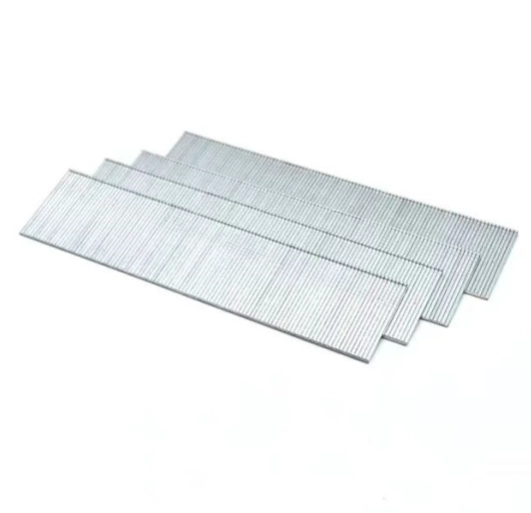
What Are the Structural Differences Between Brad Nails and Finish Nails?
Brad nails and finish nails might handle comparable roles in visual-oriented woodworking, yet their build characteristics differ notably. Such variations affect not just their effectiveness but also the specific tasks where they fit best.
Nail Diameter and Gauge
A main variation appears in the gauge—or width—of the nail. Brad nails generally measure 18-gauge, so they prove slimmer than finish nails, which typically range from 15- to 16-gauge. This slimmer form reduces the chance of cracking sensitive moldings or trim sections. Meanwhile, the broader 15- or 16-gauge finish nails deliver superior retention strength, which becomes essential when fastening weightier wood elements. The global brad nails market was estimated at USD 2.12 billion in 2023, expected to grow at a CAGR of 6.1% to 2033. In contrast, finish nails play a key role in the overall construction nails market, valued at USD 10.70 billion in 2023.
Head Design and Visibility
Another clear indicator involves the nail head. Brad nails include compact heads that produce faint traces, so they suit refined finishing jobs where no obvious fastening signs appear. Finish nails feature broader heads to ensure firmer retention, although they often demand extra surface preparation like filling or smoothing to conceal the openings.
Material Strength and Holding Capacity
The wider size of finish nails provides them an advantage in retention power. Finish nails supply enhanced durability for demanding tasks, such as fixing door frames or mounting substantial molding. By comparison, brad nails align with gentle trim activities where excessive force or cracking poses a risk.
How Do Their Applications Differ in Woodworking Projects?
Having reviewed the physical distinctions, it becomes clear how these apply to practical scenarios. Deciding between brad nails and finish nails usually involves weighing discretion against robustness.
Trim and Molding Installation
During the placement of slim or fragile trim, particularly on milder woods, brads often represent the wiser option. Brad nails work effectively for securing slim trim and molding while avoiding wood cracks. Their narrow form slides smoothly into breakable substances without leaving marks, which matters greatly for exposed finishing efforts like crown molding or baseboards.
Cabinetry and Furniture Assembly
Within cabinetry or frame-based furniture connections, where components face ongoing stress and load, finish nails stand out. Finish nails offer stronger retention for frame connections in cabinetry and furniture. Their elevated gauge positions them ideally for anchoring joints that support weight or undergo shifts.
Paneling and Decorative Work
Paneling represents yet another domain where brads function effectively. Brad nails limit surface harm, so they match well with ornamental panels and precise detailing. When handling beadboard, shiplap, or feature walls, brads preserve a neat visual flow with reduced need for later adjustments.
In What Ways Does Nail Selection Affect Surface Finish?
The appropriate nail secures items together, but it also influences the final product’s visual and tactile qualities. Brad nails frequently gain preference when seeking scant signs of attachment following paint or stain applications.
Hole Size After Driving
Brad nails leave smaller holes that often require no filling, preserving surface aesthetics. This aspect holds significant value during work on exposed areas like window trim or cabinet fronts. With finish nails, however, filling holes turns nearly essential owing to their bigger head dimensions.
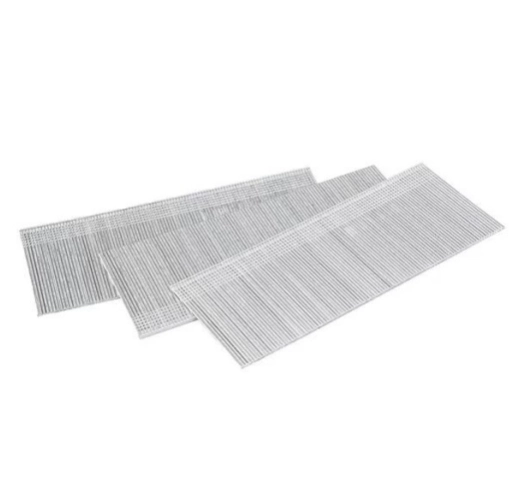
Risk of Wood Splitting
Milder woods and slim trims tend to crack under force—particularly close to edges. The slimmer width of brads benefits users in these situations. The thinner profile of brad nails minimizes splitting in soft or thin wood materials.
Compatibility With Paints and Finishes
An even surface cuts down on preparation efforts prior to painting or staining. The compact heads of brad nails lead to more uniform finishes with fewer noticeable flaws. Consequently, this shortens work hours and elevates the project’s complete aesthetic.
How Do Tools Used With Brad and Finish Nails Compare?
Opting for brads versus finish nails typically involves selecting between two equipment types: brad nailers and finish nailers. Each tool brings unique advantages based on the construction at hand.
Nail Gun Compatibility
Brad nailers accept solely 18-gauge brads, whereas finish nailers accommodate broader gauges. Therefore, separate devices become necessary if one plans to employ both fastener varieties correctly.
Precision and Control During Nailing
For tasks involving small trims or intricate areas, brad nailers deliver enhanced handling. Brad nailers offer better control for detailed work; finish nailers provide more driving power. On the other hand, finish nailers manage tougher substances or extended fasteners effortlessly.
Tool Versatility Across Applications
In cases where only one tool serves general woodworking duties, a finish nailer might provide broader adaptability. Finish nailers are more versatile across a range of carpentry tasks, while brad nailers excel in lightweight applications.
Why Choose Qinjia’s Brad Nails for Your Project Needs?
As needs increase for superior finishing options, Qinjia remains a dependable source in global regions such as North America, Southeast Asia, Turkey, Australia, and the Middle East. We can now review what distinguishes their brad nails.
Product Specifications and Quality Standards
Qinjia’s brad nails undergo precise fabrication with uniform gauge, length, and coating choices. Standard dimensions encompass 18GA (10–50mm) and 16GA (25–64mm), featuring possibilities for zinc plating or copper coating. Crafted from low/medium carbon steel, they strike a balance between pliability and robustness—perfect for finishing carpentry.
Qinjia’s production adheres to rigorous quality measures. From initial materials through to dispatch, comprehensive checks occur in tandem with random samples and concluding evaluations. This process guarantees that every package of brad nails aligns with sector benchmarks and client expectations.
Performance in Residential and Commercial Projects
Whether placing crown molding in a residential property or equipping a business lobby with tailored woodwork, Qinjia’s brad nails endure in varied settings. Qinjia’s brad nails perform reliably across various substrates including hardwoods, MDF, and plywood.
This flexibility matters particularly when dealing with diverse materials in one project—a common challenge for builders. This aligns with global trends, where the construction nails market reached USD 10.70 billion in 2023, driven by residential and commercial projects. Qinjia’s brad nails deliver reliable performance across these applications.
Integration With Qinjia’s Project Solutions Library
For clients desiring beyond basic supplies, Qinjia delivers task-oriented advice via its solutions collection. Qinjia provides technical support and documented use-cases to guide optimal product selection from their extensive project database. This aid benefits sellers or OEM collaborators aiming to unify fasteners in their offerings.
FAQ
Q1: Can brad nails be used on hardwood?
A: Although careful application works on select hardwoods, selecting suitable length and insertion depth remains crucial. In denser substances, finish nails might yield stronger retention.
Q2: Are Qinjia’s brad nails compatible with all standard 18GA nailers?
A: Yes, Qinjia’s 18GA brad nails are produced with consistent sizing standards to match most pneumatic brad nailers available in global markets.
Q3: Do I need to fill nail holes after using brad nails?
A: Often not—because brads have small heads, they leave minimal visible holes that may not require filling before painting or staining.

 Consult
 Whatsapp
 Leave Message
 top
top